More than anything else, non-ratification of the Rome Statute indicates a clear lack of political will. International partners, as a key factor in making ratification happen, should change the approach when communicating the issue with the Ukrainian government, to make the change possible.
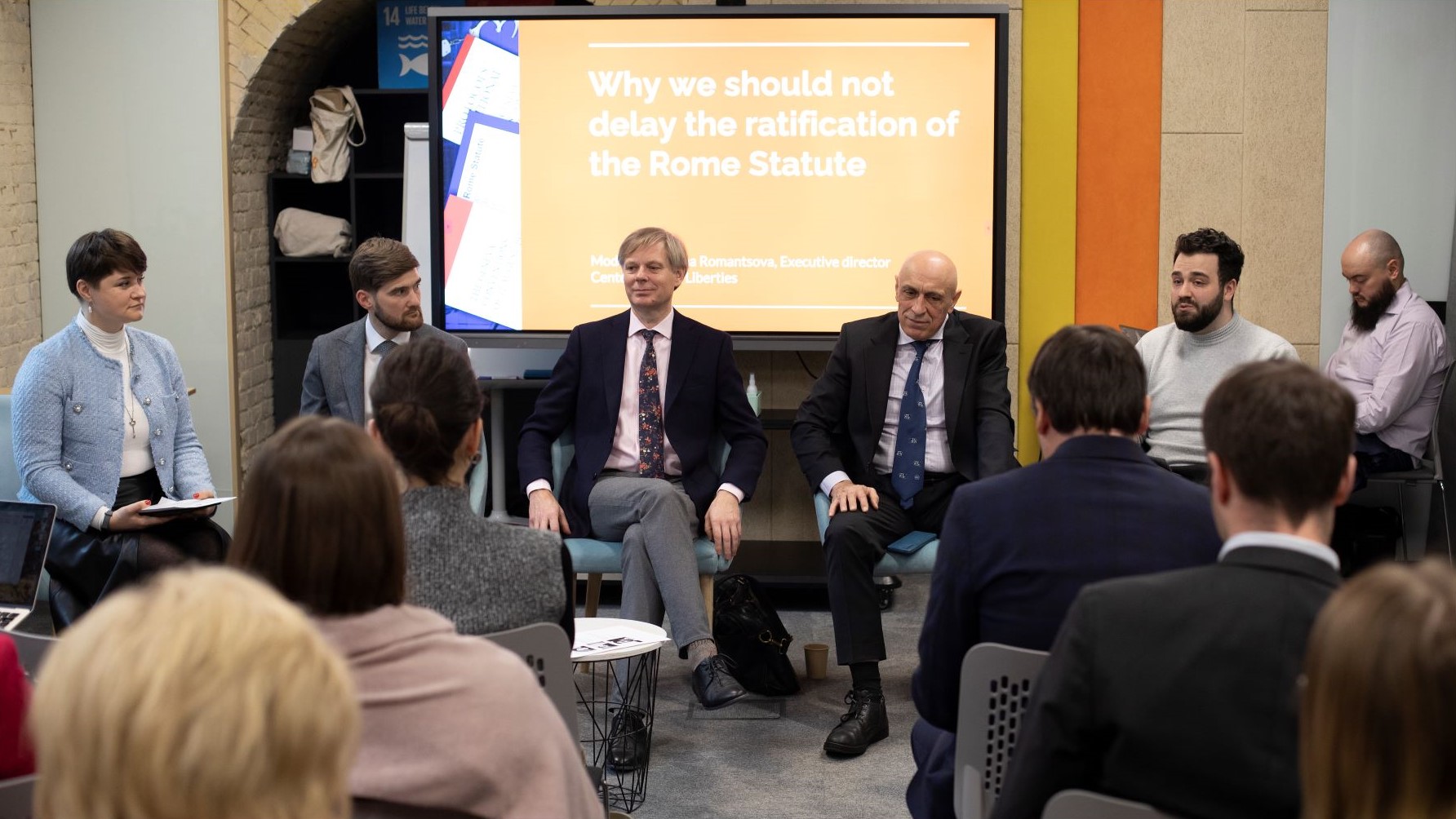
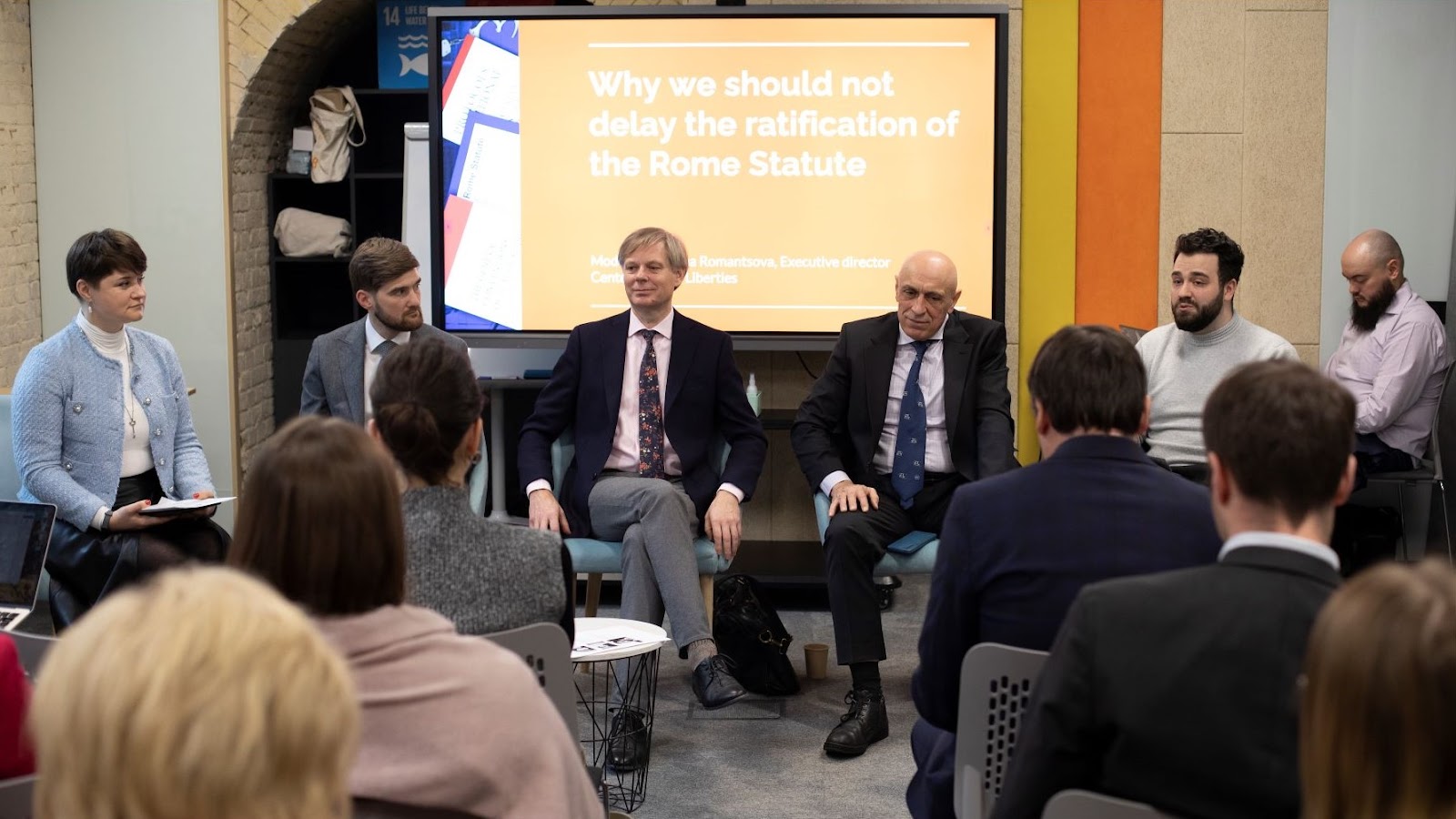
Arie Mora, Advocacy and Communications Manager of ULAG, spoke at the Briefing for Embassies and International Organisations representatives on the importance of Rome Statute Ratification. The event took place on November 22, and was organised by Center for Civil Liberties (CCL), with the support of its partners USAID, member organisations of the Tribunal for Putin Initiative and Ukraine 5 AM Coalition.
Arie shared the panel with distinguished speakers: Dmytro Koval, Truth Hounds (TH); Oleksandr Pavlichenko, Ukrainian Helsinki Human Rights Union (UHHRU); Roman Romanov, International Renaissance Foundation (IRF) and Volodymyr Yavorskyi (CCL). Oleksandra Romantsova (CCL) moderated the event.
Throughout the years, Ukrainian authorities stated various reasons for why the Rome Statute cannot be ratified. One of the most popular ones is the “opposition among the military towards ratification”. This claim, however, has never been substantiated, as there is no clarity or clear evidence with regards to who exactly is against it, how big or high-level this person or a group is, if it exists at all.
One can assume there might be some sort of opposition, but its scale and weight has always been presumed. It is also still barely challenged by the international partners, when hearing this excuse from the government representatives.
Civil society organisations conducted focus groups and interviews with representatives of the veteran community, in particular, asking them about their stance on Rome Statute ratifications. The idea did not cause resistance among the military — all the participants spoke positively about the ratification of the Rome Statute in Ukraine. Ratification, according to the feedback from the interviewed veterans and military personnel, should contribute to the investigation of crimes, alignment of legislation, and accession of Ukraine to the EU.
Within the last months the rhetoric has shifted. Ukraine, government reps say, should address existing prejudices about the Rome Statute, but it shouldn’t be rushed, and this can wait till after the war. Andriy Smyrnov, Deputy Head of the Office of the President, stated that “The ratification of the Rome Statute should be approached with caution, with a clear answer to several questions: why should it be done now, during the war, without appropriate explanatory work among the military, that ratification does not represent any new discoveries for them. The second question is why Ukraine needs it.”
When addressing the representatives of the embassies and international organisations, Arie Mora stated that such an approach reflects a clear lack of political will to make a decision. The Ukrainian government can postpone the ratification indefinitely, arguing it is not the right time and saying they are afraid of destabilisation, although there is no clarity as to whether the Rome Statute issue is that controversial and potentially destabilising, especially comparatively to other factors that can “shake the boat”. In the abovementioned report, the majority of those surveyed among Ukrainian citizens support the ratification.

‘We need to be more persistent and thorough in assessing the government’s position on the ratification of the RS and stop being afraid of being impolite. Now the government says that ratification is possible, but in the future. This shows a change in rhetoric from simply using the military’s resistance as a scapegoat. Instead of presuming its existence and influence, it is necessary to properly assess the likely resistance, and not block the ratification process just because someone vague and abstract does not support this decision,’ – says Arie Mora.
The only way to move forward on this issue is through an honest conversation between society, international partners and the Ukrainian government. EU countries can push Ukraine to ratify. But this will never happen unless the discussion becomes more concrete and the demand for change is firm and clearly articulated. For the EU, all of whose members are states parties to the Rome Statute, Ukraine’s accession to the ICC should be a clear plan of action, not a distant goal.
Photo: CCL
Read next
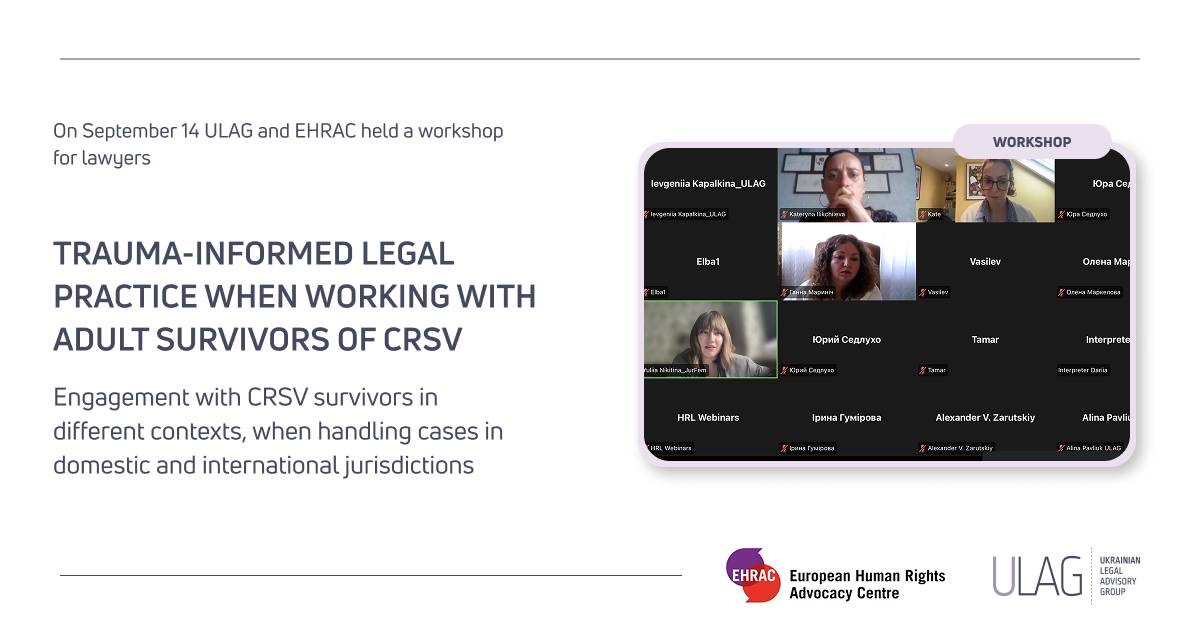
Workshop for lawyers: trauma-informed legal practice when working with adult survivors of CRSV
On September 14, the European Human Rights Advocacy Centre (EHRAC) and ULAG held a joint workshop for lawyers working with adult survivors of conflict-related sexual violence (CRSV).
Articles
The voices of Ukrainians must be heard
The letter was published in May 2026 on the website of our long-time partner ECCHR, in the Living Open Archive section. It is a collection of personal impressions and stories from ECCHR staff and partners about the projects they work on, the injustices and contexts they experience, and the world they envision. They share intimate reflections in letters to their colleagues, allies, and the world.
Articles
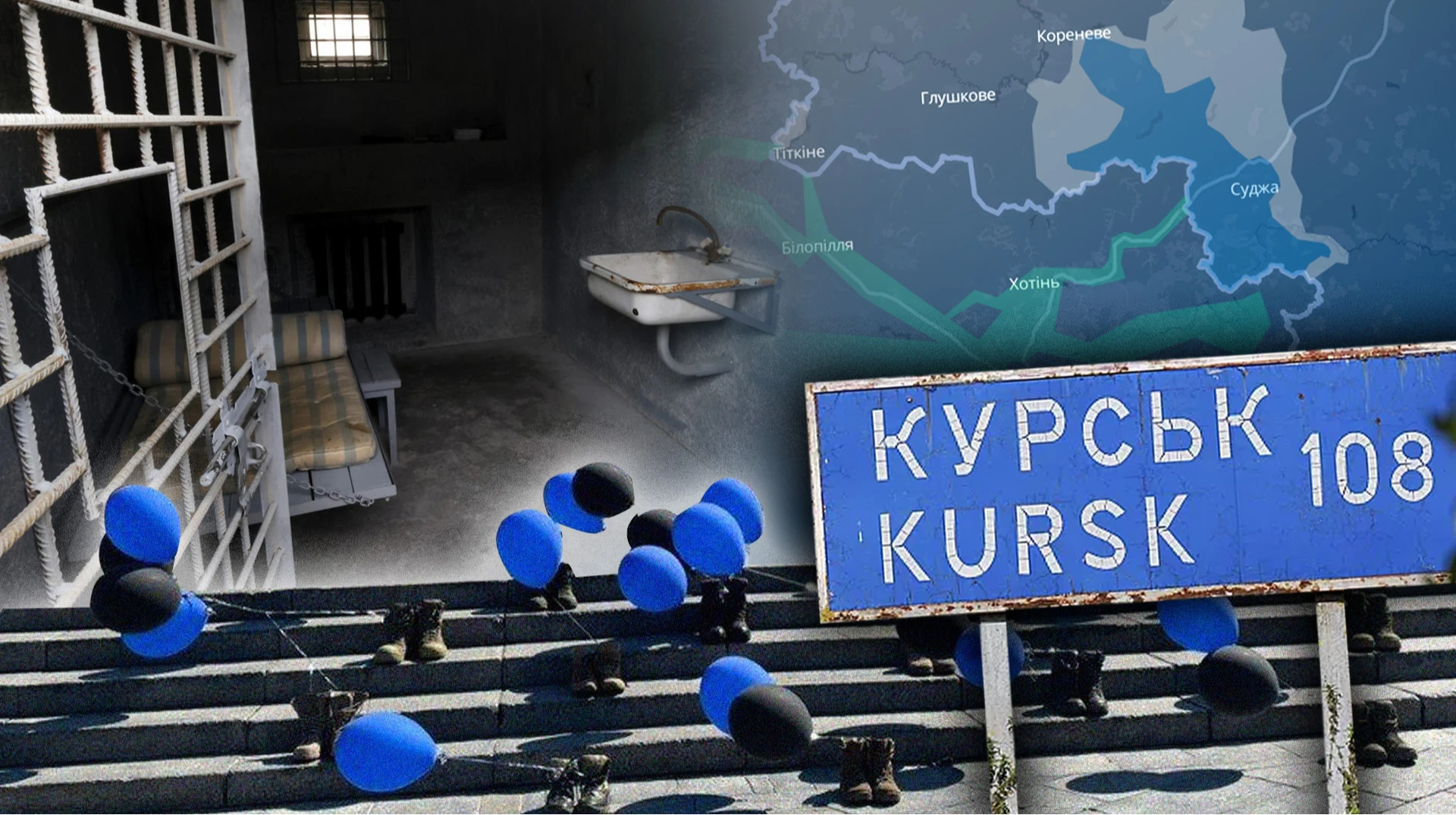
Prisoners of War Tried as Terrorists: What Is Happening to Ukrainian Soldiers Captured in Russia’s Kursk Region
The number of Ukrainians captured by Russian forces in the Kursk region remains hidden by the fog of war and defenders may be considered missing in action for months before suddenly appearing in photographs posted on Telegram channels alongside other prisoners of war. Or, conversely, families may search those same channels every day for any trace of their loved one, only to one day receive the devastating news of their death.