The Ukrainian Week of International Criminal Justice — a series of events organised by the Center for Civil Liberties — held on 13–17 July 2026, focused on Ukraine’s experience in harmonising its criminal legislation with international criminal law. Although this process began before Russia’s full-scale invasion, the ongoing aggression has made it especially significant in the context of ensuring accountability for international crimes under Ukraine’s legal framework.
Throughout the Week, ULAG experts together with colleagues from civil society organisations, state authorities, and international institutions discussed legislative initiatives, political decisions, and constitutional challenges. They also explored the role of these stakeholders and issues in shaping a modern system of criminal accountability for international crimes.
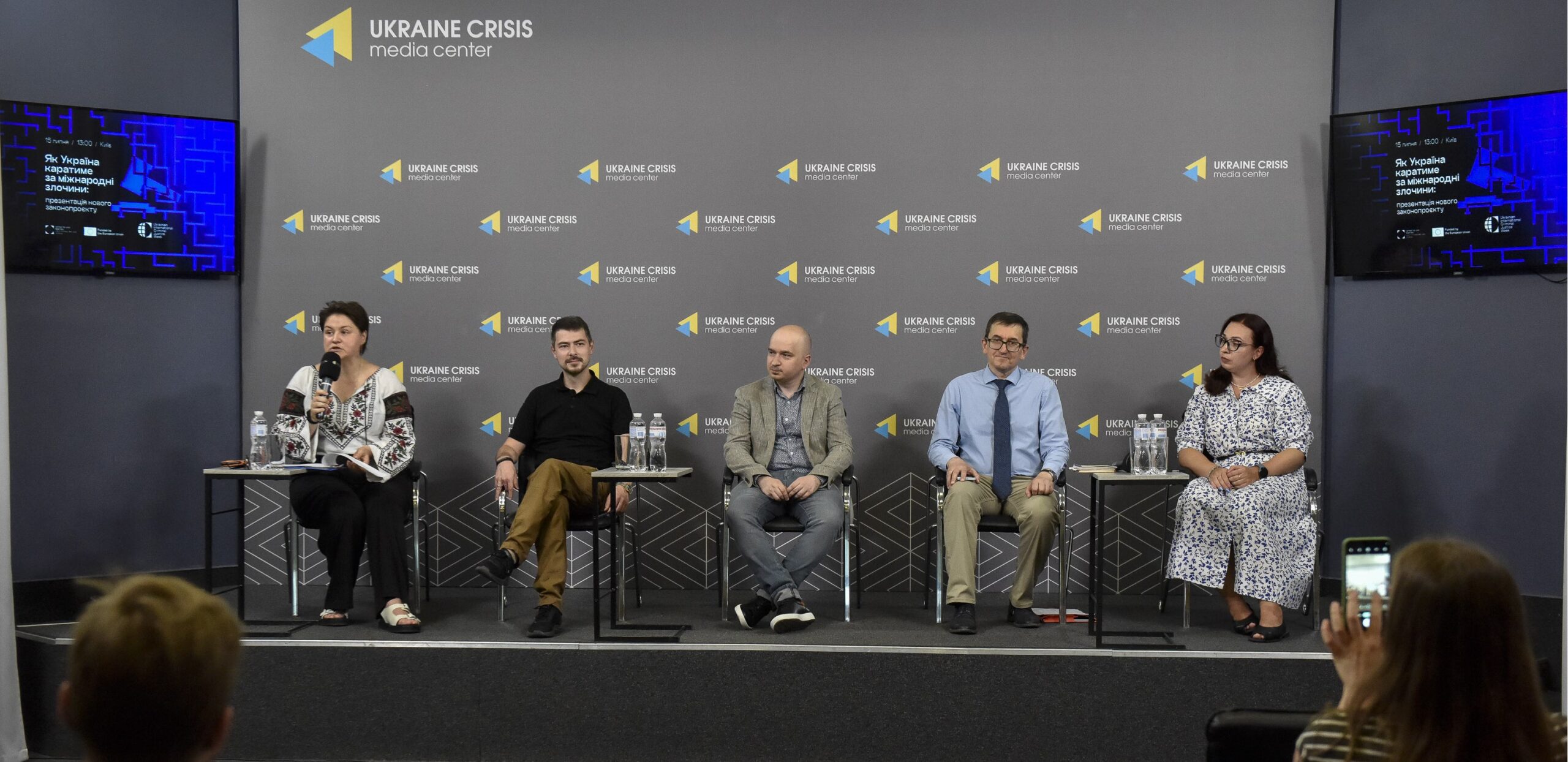
On 15 July, a draft law introducing amendments to the Criminal Code of Ukraine was presented at the Ukraine Crisis Media Center. The document has been developed by the Interagency Working Group under the Office of the Prosecutor General since early 2025. It aims to address gaps in the current legislation that hinder the investigation of international crimes and to further harmonise Ukrainian law with international criminal law.
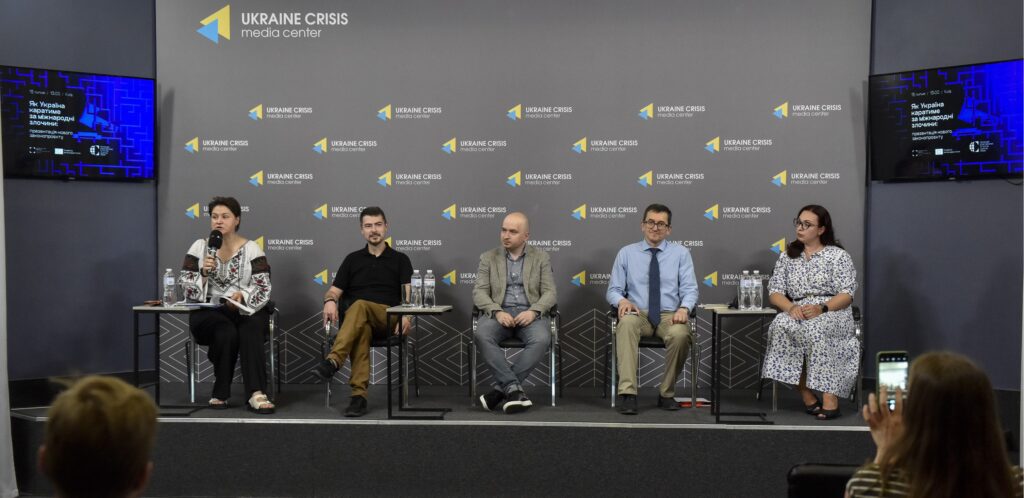
During the briefing, members of the Working Group presented the key provisions of the draft law for the first time. The proposed amendments are essential not only for ensuring effective accountability for international crimes but also for fulfilling Ukraine’s commitments on its path towards European Union membership.
Alina Pavliuk, ULAG’s legal coordinator and analyst, is one of the members of the Working Group. During the presentation, she highlighted several key issues, including the importance of clarifying the classification of crimes:
“It is important to keep the perspective of victims in mind — every person should clearly understand what happened to them and which crimes they have endured. The justice system must recognise the facts for what they are and call them by their proper names.”
She also drew attention to a critical issue: the current wording of Article 442-1 of the Criminal Code, which criminalises crimes against humanity, does not apply retroactively, despite the fact that, under international law, it should cover the entire period of the armed conflict on the territory of Ukraine.
“For a long time, it was unclear whether these proposed amendments would have retroactive effect. This created difficulties for practitioners, who needed a clear signal that they could assess crimes committed not only after October 2024 but also from 2014 onwards as potential crimes against humanity. Without such clarity, practitioners remain limited in how they can legally classify these acts. The draft law includes this provision in order to address the issue and establish a unified approach.”
Alina Pavliuk also noted that the draft law proposes introducing alternative investigative jurisdiction for international crimes into the Criminal Procedure Code. This would allow the competent pre-trial investigative authority to be determined depending on the circumstances of a particular case. She, along with the other authors of the draft law, believes that this amendment will remove procedural barriers, preserve valuable time for evidence collection, and improve the efficiency of investigations.
On 16 and 17 July, the Week continued with the conference “A Decade of Attempts and Mistakes: Challenges and Prospects for Harmonising Ukraine’s Criminal Legislation with International Criminal Law.”
On the first day of the conference, Nadia Volkova, Director of ULAG, spoke at the panel discussion “Demanding Justice: The Human Rights Dimension of Harmonising Ukraine’s Criminal Legislation with International Criminal Law.”
Nadia Volkova shared her perspective on how prepared Ukraine is, as a state, to prosecute grave international crimes.
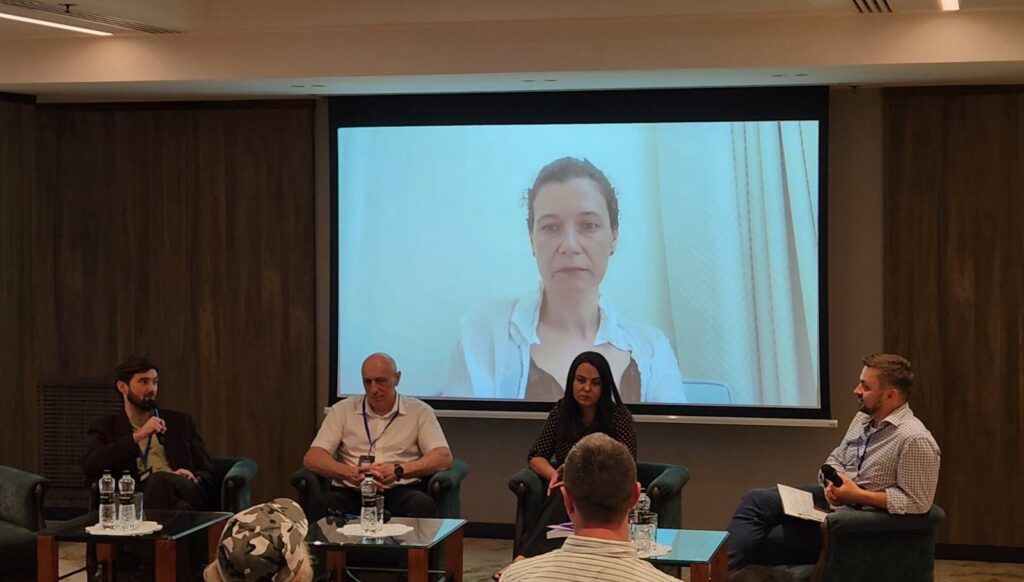
“Personally, I do not feel that we have reached the finish line. There are several reasons for this. First of all, we had to start almost from scratch: the system was not ready, and neither was the legislation. Simply declaring that we want to hold everyone responsible accountable is far too broad an objective which needs to be concrete. International practice also tells us that such an ambition is, in itself, unrealistic.”
According to Nadia Volkova, Ukraine needs a dedicated national policy defining its approach to accountability for grave international crimes.
“The state must define the framework within which it is prepared to implement and sustain high-quality accountability processes that it has the capacity to carry through.
We now have a decision to establish a Special Tribunal for the Crime of Aggression. At the same time, we continue to see shortcomings in the quality of national investigations, as well as in cooperation with international accountability mechanisms across other tracks. As a result, the overall picture remains unbalanced.
This raises the question of identifying the key drivers of the process and setting clear priorities. It is not only about which crimes should be investigated, but also regarding the processes themselves: how they should be designed so that they are effectively implemented rather than only existing on paper.”
On the second day of the conference, Alina Pavliuk participated in the panel discussion “Analysing the Draft Law: Who Should Bear Criminal Responsibility for the Crime of Aggression?”
During the discussion, Alina Pavliuk noted that, from the perspective of international law, the concept of “waging an aggressive war” contained in the Criminal Code of Ukraine remains highly controversial and it creates broad possibilities for the legal classification of conduct within criminal proceedings.
The question arises whether Ukraine has a genuine strategy for prosecuting the crime of aggression.
“We are waiting for the full launch of the Special Tribunal, understanding that its legal approaches and jurisprudence will play an important role in the development of international criminal justice and in shaping modern precedents for the prosecution of the crime of aggression.
At the same time, its work will be inseparable from the efforts undertaken by Ukraine’s national justice system. It is at the national level that evidence is currently being collected, potential suspects are being identified, and a hierarchy of perpetrators is being established for the purposes of ensuring criminal accountability.”
Alina Pavliuk also emphasised that an important question remains as to how the provisions contained in the draft amendments to the Criminal Code will be implemented in practice: who the identified perpetrators of the crime of aggression will be, how far up the political and military leadership it will be possible to reach without diluting the concept of the “leadership element” of the crime, and how the prosecution of aggression will be coordinated with the legal qualification of other international crimes.
Read next
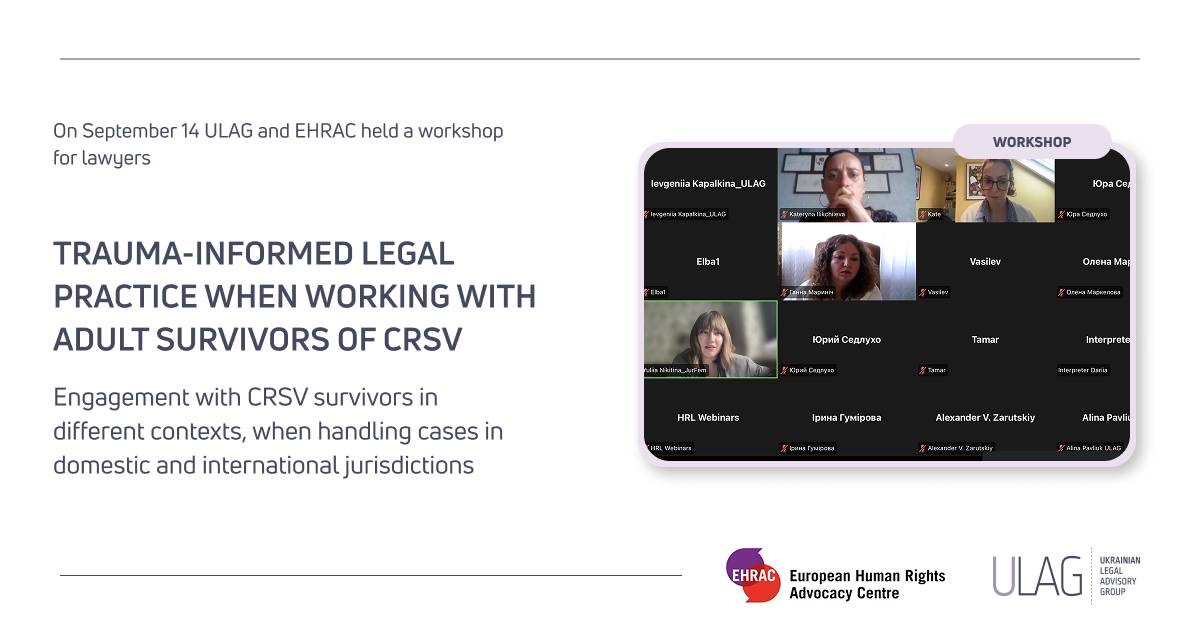
Workshop for lawyers: trauma-informed legal practice when working with adult survivors of CRSV
On September 14, the European Human Rights Advocacy Centre (EHRAC) and ULAG held a joint workshop for lawyers working with adult survivors of conflict-related sexual violence (CRSV).
Articles
The voices of Ukrainians must be heard
The letter was published in May 2026 on the website of our long-time partner ECCHR, in the Living Open Archive section. It is a collection of personal impressions and stories from ECCHR staff and partners about the projects they work on, the injustices and contexts they experience, and the world they envision. They share intimate reflections in letters to their colleagues, allies, and the world.
Articles
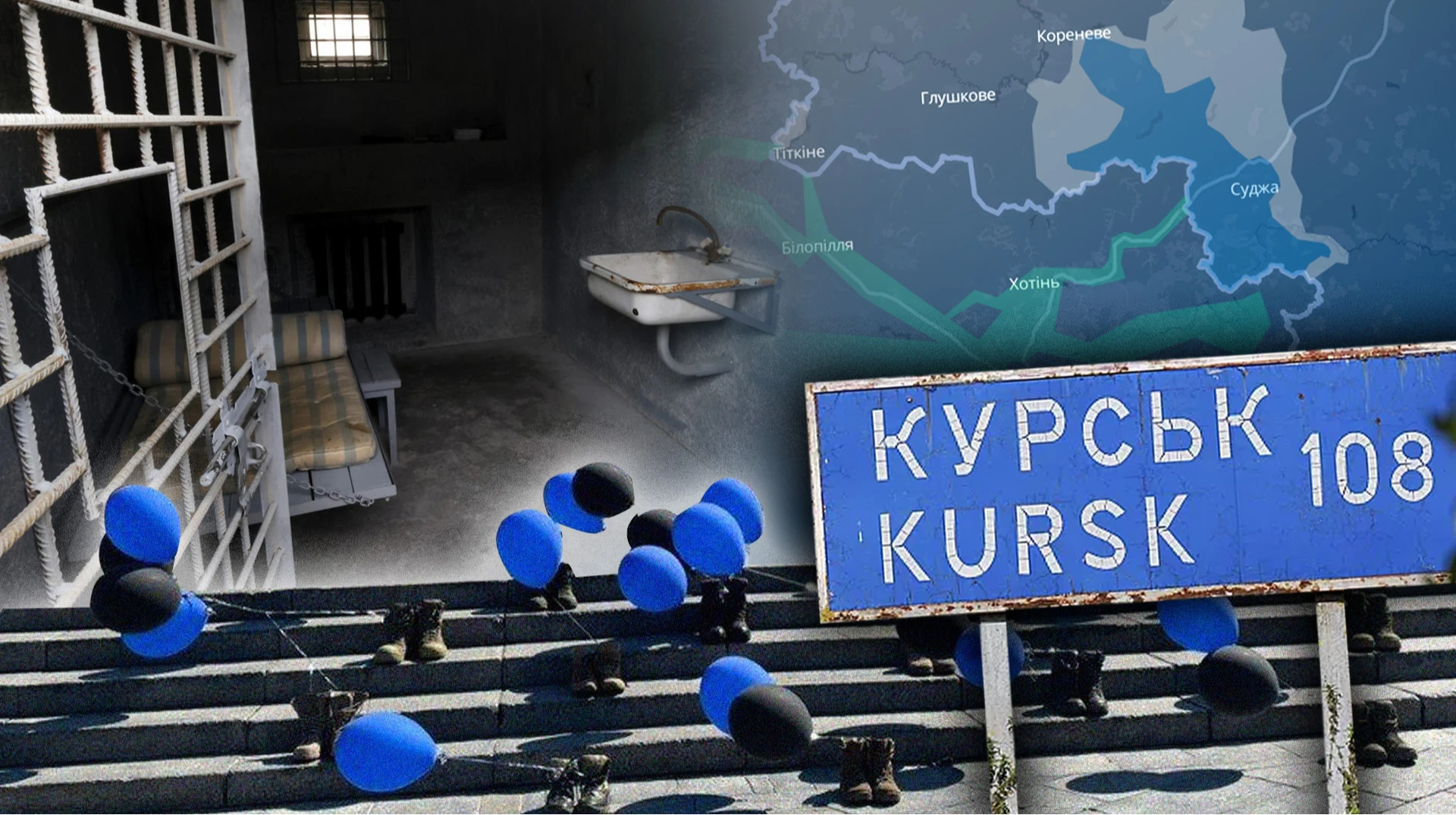
Prisoners of War Tried as Terrorists: What Is Happening to Ukrainian Soldiers Captured in Russia’s Kursk Region
The number of Ukrainians captured by Russian forces in the Kursk region remains hidden by the fog of war and defenders may be considered missing in action for months before suddenly appearing in photographs posted on Telegram channels alongside other prisoners of war. Or, conversely, families may search those same channels every day for any trace of their loved one, only to one day receive the devastating news of their death.