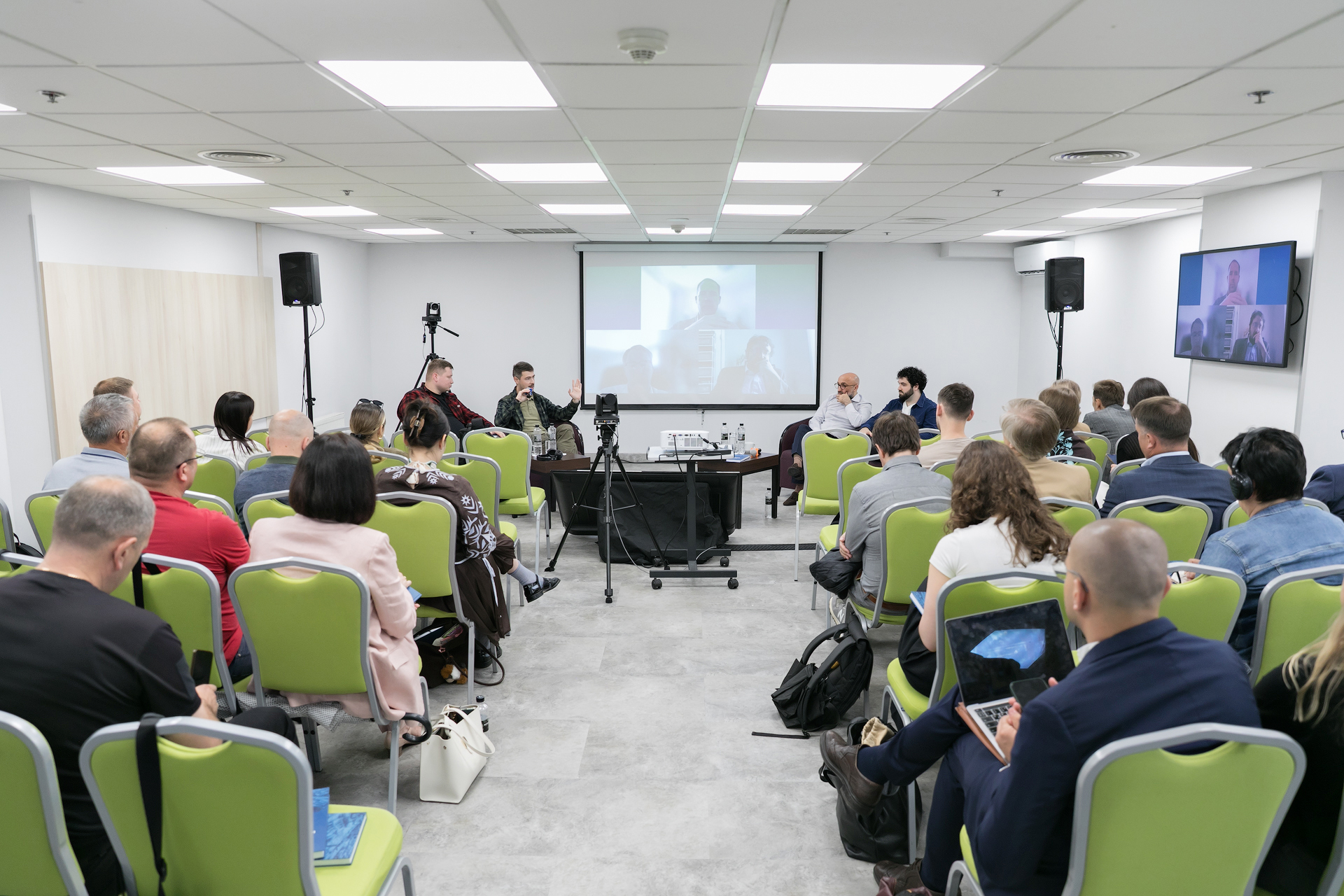
In early July, the Ukrainian Legal Advisory Group (ULAG), LexPat Global Services, and Azones Law Firm presented the Guide: “Using Battlefield Evidence in Atrocity Crime Cases”.
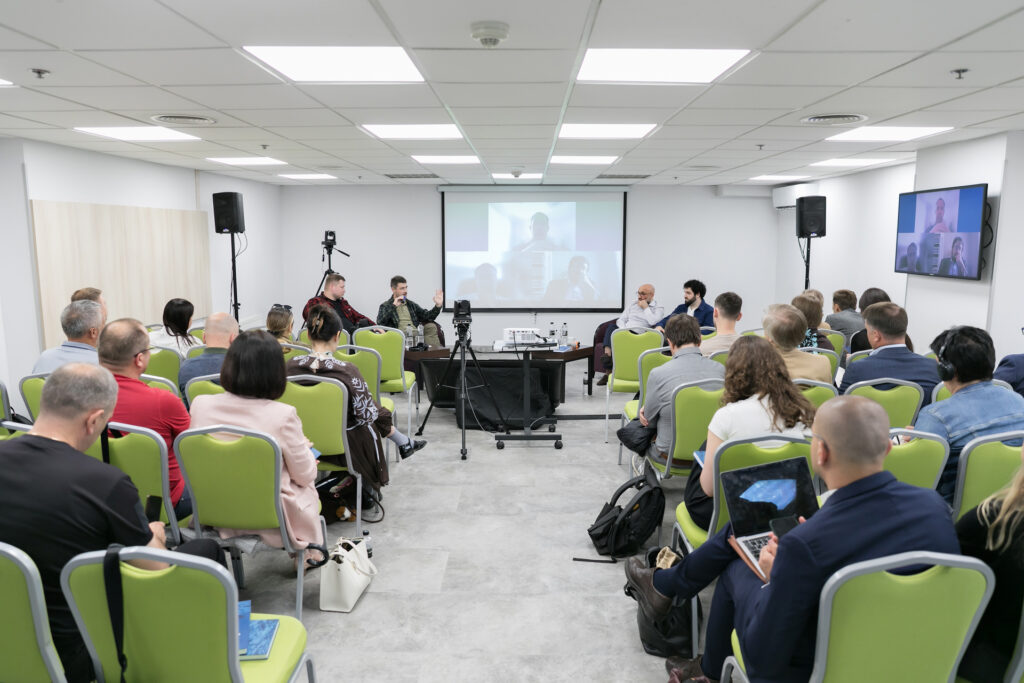
The event brought together representatives of the Office of the Prosecutor General, the National Police of Ukraine, the Military Law Enforcement Service of the Armed Forces of Ukraine, the Security Service of Ukraine, diplomatic missions, and civil society.
Key issues discussed by the participants of presentation included:
The speakers at the presentation included representatives of the Guide’s team of authors, the National Police of Ukraine and the Office of the Prosecutor General.
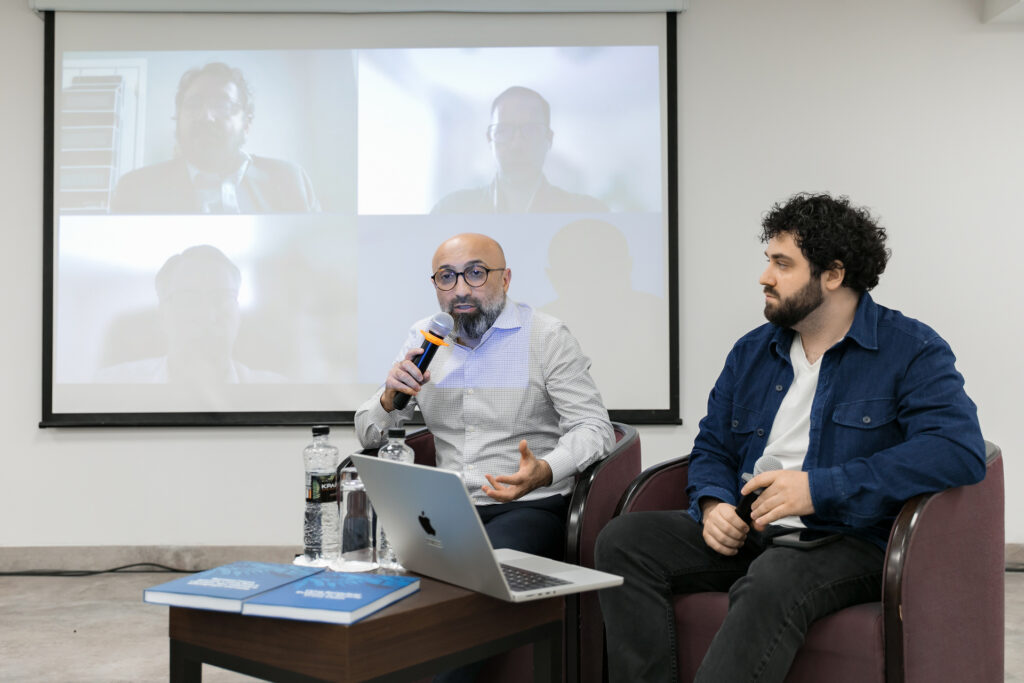
Gyunduz Mamedov and Arie Mora
Gyunduz Mamedov, Honored Lawyer of Ukraine, Head of the Directorate for Documenting Violations of the Law of Armed Conflict Committed during Hostilities – Deputy Head of the Main Directorate of the Military Law Enforcement Service of the Armed Forces of Ukraine, co-author and general editor of the Guide, noted in his speech:
“Obviously, the battlefield is an environment accessible only to military personnel. Accordingly, they are the first to obtain information that may later become evidence in investigations and prosecutions of grave international crimes. At the same time, military personnel should not be expected to assume the role of investigators or prosecutors. This is precisely why this Guide pays special attention to the role of military personnel in identifying, documenting, and preserving battlefield evidence, as well as practical procedures that help prevent the loss of potentially crucial evidence without distracting service members from performing their combat duties.
Ultimately, effective cooperation among the military, investigators, prosecutors, and other relevant actors is vital to ensuring that information gathered on the battlefield turns into reliable evidence in cases regarding the most serious international crimes.”
Arie Mora, Advocacy Manager at ULAG and co-author of the Guide, during the panel discussion emphasised that the purpose of the document is to ensure synergy and better coordination between the military and investigative authorities.
“We realise that this is a difficult path with many actors involved. However, with the international standards and practices regarding the investigation of grave international crimes that we discuss in the Guide, it is possible to slightly improve this process. Especially because some recommendations are already being implemented,” emphasised Arie Mora.
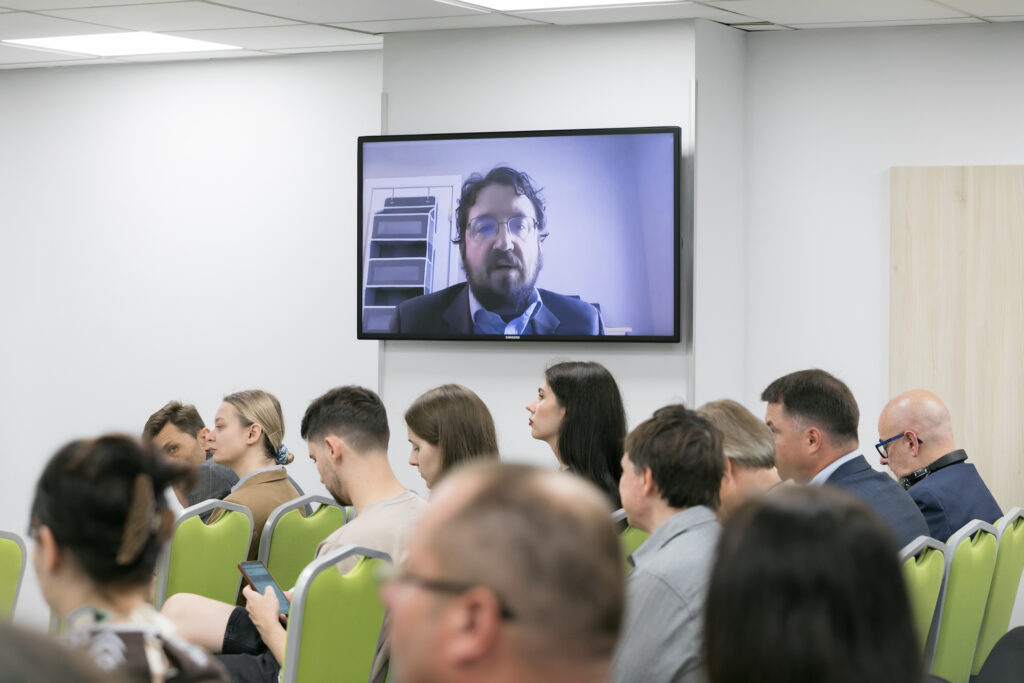
Arthur Traldi
Arthur Traldi, lead international criminal and human rights attorney, Lexpat Global Services, former prosecution Trial Attorney ICTY and co-author of the Guide emphasised that the document reflects international experience and practices developed in the investigation of war crimes during armed conflicts:
“Physical evidence of a mortar shell’s impact site in besieged Sarajevo or fingerprints on a homemade explosive device found on the battlefield were crucial for initiating criminal cases… Sometimes a single document or a collection of documents—or, today, a single phone or computer—can truly influence the outcome of a case. This can determine whether victims receive justice and whether perpetrators go unpunished. Therefore, it is important to understand that the evidence left behind by perpetrators is decisive. It is essential to collect it in a way that allows for its effective use in court proceedings, as well as to analyze it alongside other available information in order to draw conclusions that meet the prosecutor’s requirements and stand the test of time.”
Adam R. Pearlman, founder and CEO of Lexpat, emphasised that effective battlefield evidence work not only directly contributes to ensuring justice and accountability, but also serves other strategic objectives and national interests. This includes both combat and intelligence tasks, as well as strengthening the state’s position in the diplomatic and information realms. Pearlman formerly served as the Senior Advisor for Legal Policy, Bureau of Counterterrorism, U.S. Department of State, and as an Associate Deputy General Counsel at the U.S. Department of Defense.
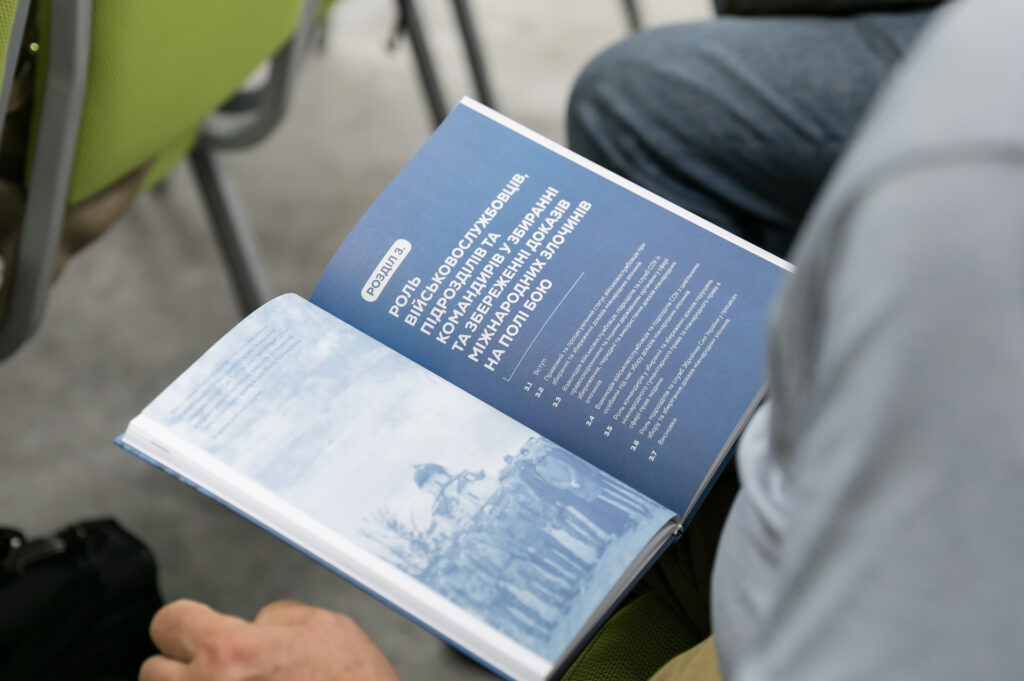
Andrii Lapkin, Doctor of Law, Professor at the Yaroslav Mudryi National Law University and co-author of the Guide, emphasised:
“This topic lies at the intersection of several branches of law: international humanitarian, international criminal, and national criminal procedure law. One of the problems is that national criminal and criminal procedure law is not fully adapted to the situation of armed conflict in which the country has found itself.
Neither the prosecutor’s office nor investigators often have access to the sites where this evidence is located, and traditional procedures do not allow for results to be achieved. The situation is such that we face a choice: either collect this evidence somehow or accept that it will be lost. We chose the approach that evidence should be collected, and we concluded that no one can help us with this better than military personnel.”
Stanislav Petrenko, Head of Division at the War Department of the Office of the Prosecutor General of Ukraine, noted that evidence from the battlefield has real legal weight and can be used. He cited the example of the prosecutor’s offices in the Autonomous Republic of Crimea and the Donetsk and Luhansk regions, which launched investigations in 2014—all the latest sources of evidence (physical objects, information from relevant defense force systems, OSINT data, drone footage) are working.
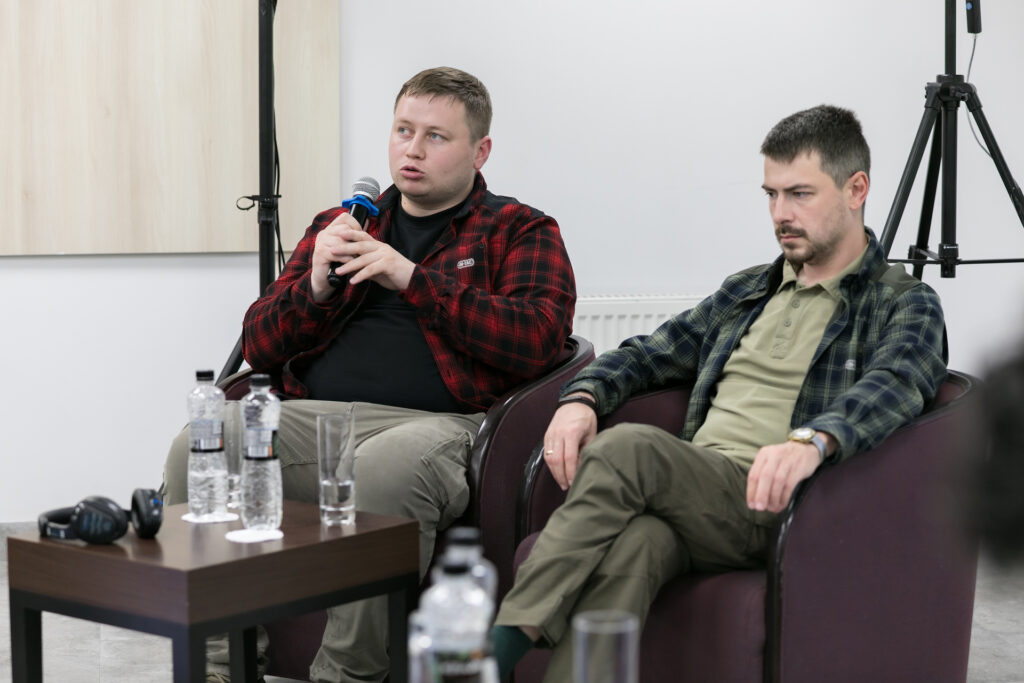
Ivan Dulkai and Stanislav Petrenko
Ivan Dulkai, Senior Investigator of the Main Investigation Department of the National Police of Ukraine, believes that the Guide is important and useful for the work of law enforcement agencies.In his view, battlefield evidence consists of substantive materials that make it possible to establish the chronology of both individual local incidents and large-scale events reflecting the progression of combat operations over a specific period. Ivan Dulkai emphasised that the current situation requires establishing proper coordination with the military, which should be enshrined in law.
The Guide has already been presented to students and faculty at the Security Service of Ukraine Academy. Presentations are also planned at other agency-affiliated educational institutions by the end of 2026.
Read next
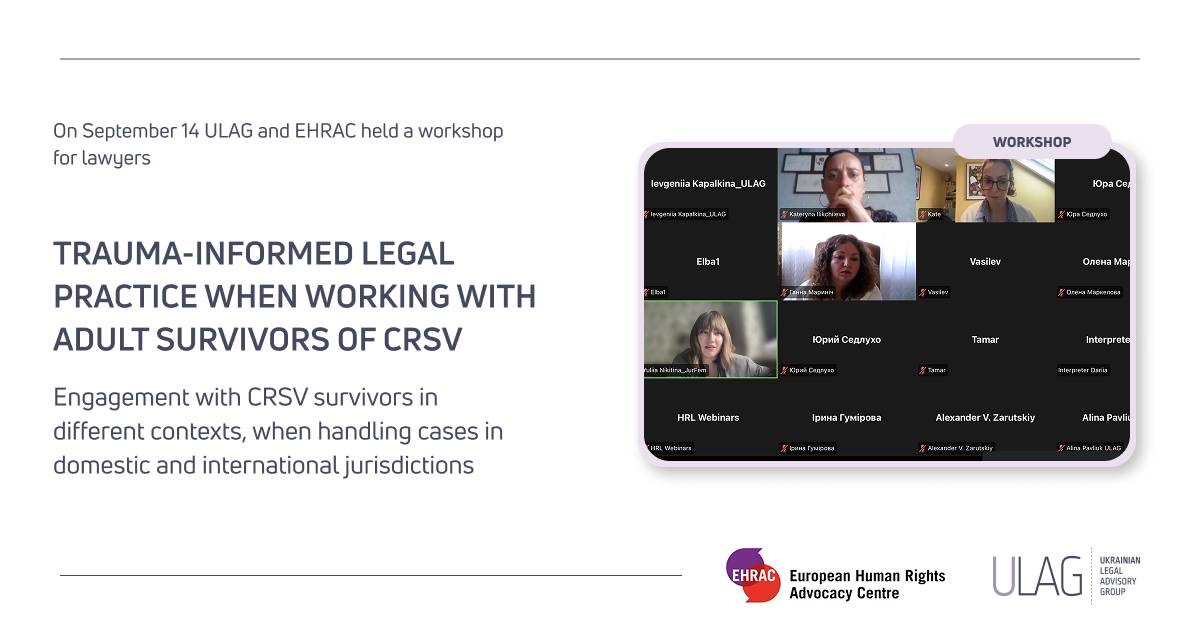
Workshop for lawyers: trauma-informed legal practice when working with adult survivors of CRSV
On September 14, the European Human Rights Advocacy Centre (EHRAC) and ULAG held a joint workshop for lawyers working with adult survivors of conflict-related sexual violence (CRSV).
Articles
The voices of Ukrainians must be heard
The letter was published in May 2026 on the website of our long-time partner ECCHR, in the Living Open Archive section. It is a collection of personal impressions and stories from ECCHR staff and partners about the projects they work on, the injustices and contexts they experience, and the world they envision. They share intimate reflections in letters to their colleagues, allies, and the world.
Articles
Prisoners of War Tried as Terrorists: What Is Happening to Ukrainian Soldiers Captured in Russia’s Kursk Region
The number of Ukrainians captured by Russian forces in the Kursk region remains hidden by the fog of war and defenders may be considered missing in action for months before suddenly appearing in photographs posted on Telegram channels alongside other prisoners of war. Or, conversely, families may search those same channels every day for any trace of their loved one, only to one day receive the devastating news of their death.