The release of the Ukrainian OSCE staff members unlawfully detained by Russia must remain a priority for the Organisation — its institutions, and its participating states. Achieving this goal requires active and coordinated engagement by all relevant actors, as well as the meaningful involvement of the families of Dmytro Shabanov, Maksym Petrov, and Vadym Golda throughout the process.
Several important developments took place at the end of July that deserve particular attention in this context.
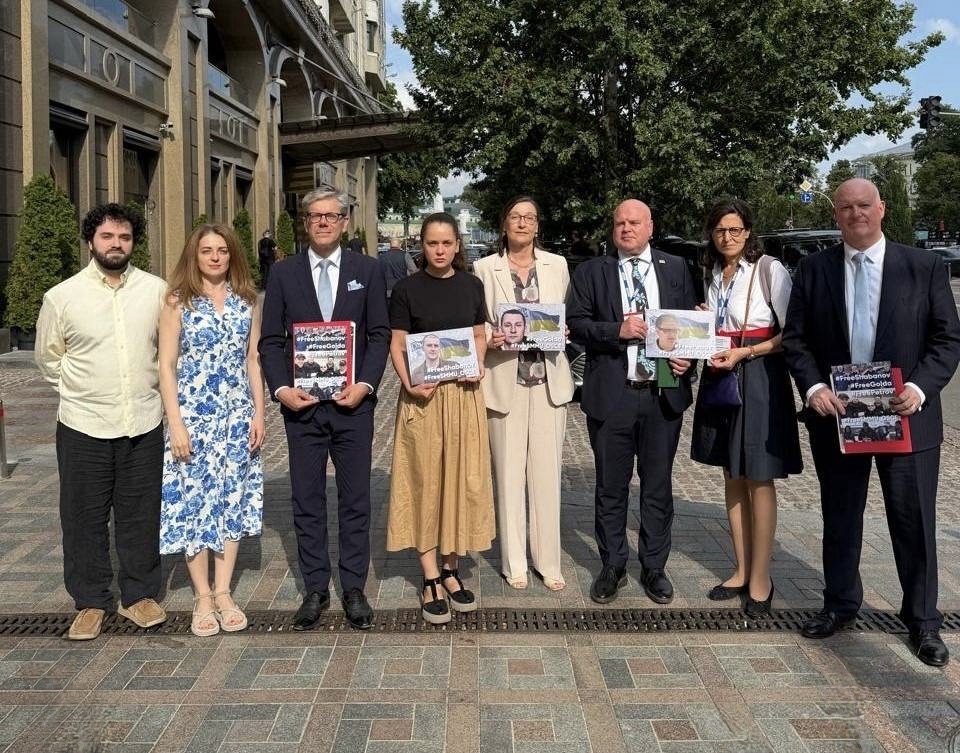
The Ambassadors of Switzerland, the United Kingdom, France, Germany and Finland to the OSCE met with the families of the detained staff members. The meeting took place as part of a broader visit to Ukraine by ambassadors from more than twenty OSCE participating States.
Later Margaryta Shabanova, Dmytro Shabanov’s wife, also met with representatives of the U.S. Commission on Security and Cooperation in Europe (the U.S. Helsinki Commission) — an independent U.S. government agency that promotes compliance with the Helsinki Final Act. During their visit, Commission representatives — Janice Helwig, Nate Sibley, and Connor Lewis — also met with representatives of Ukraine’s Coordination Headquarters for the Treatment of Prisoners of War, where, among other issues, they discussed the release of civilians held in Russian captivity.
Ievgeniia Kapalkina, a lawyer at ULAG representing the families of Dmytro Shabanov and Maksym Petrov, and Arie Mora, ULAG’s Advocacy Manager, participated in both meetings.
Photo: after the meeting with the ambassadors.
The discussions focused on concrete steps and possible action — both within the OSCE framework and beyond — aimed at securing the release of the detained staff members and protecting their rights in the face of their unlawful conviction and imprisonment.
The consistency of the position taken by representatives of the OSCE Parliamentary Assembly also deserves particular attention. On 23 July 2026, Special Representative on Political Prisoners Steve Cohen and Special Rapporteur Boris Dittrich issued a joint statement.
In their statement, they stressed the urgent need for the immediate and unconditional release of Dmytro Shabanov, Maksym Petrov, and Vadym Golda from unlawful detention and called on OSCE participating States to make every possible effort to achieve this. They also noted that an increasing number of OSCE parliamentary delegations are calling for stronger action to secure the release of the detained staff members.
It is also important to note that during the meeting between the ambassadors of the OSCE participating States and the First Deputy Head of the Office of the President of Ukraine, Sergiy Kyslytsya one of the issues on the agenda was the potential role of the OSCE in monitoring future peace arrangements.
We emphasise that the release of Dmytro, Maksym, and Vadym is a necessary precondition for establishing a viable and effective ceasefire monitoring mechanism. Ukraine, the OSCE, all OSCE participating States, and all those committed to achieving a sustainable peace must treat this issue as a priority.
Read next
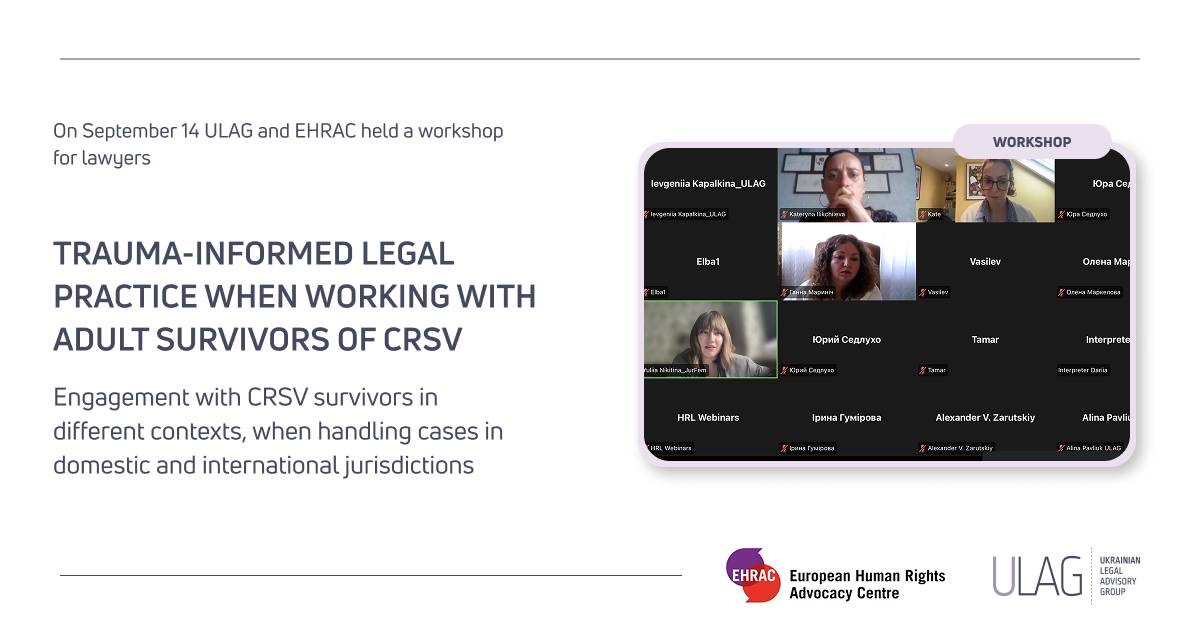
Workshop for lawyers: trauma-informed legal practice when working with adult survivors of CRSV
On September 14, the European Human Rights Advocacy Centre (EHRAC) and ULAG held a joint workshop for lawyers working with adult survivors of conflict-related sexual violence (CRSV).
Articles
The voices of Ukrainians must be heard
The letter was published in May 2026 on the website of our long-time partner ECCHR, in the Living Open Archive section. It is a collection of personal impressions and stories from ECCHR staff and partners about the projects they work on, the injustices and contexts they experience, and the world they envision. They share intimate reflections in letters to their colleagues, allies, and the world.
Articles
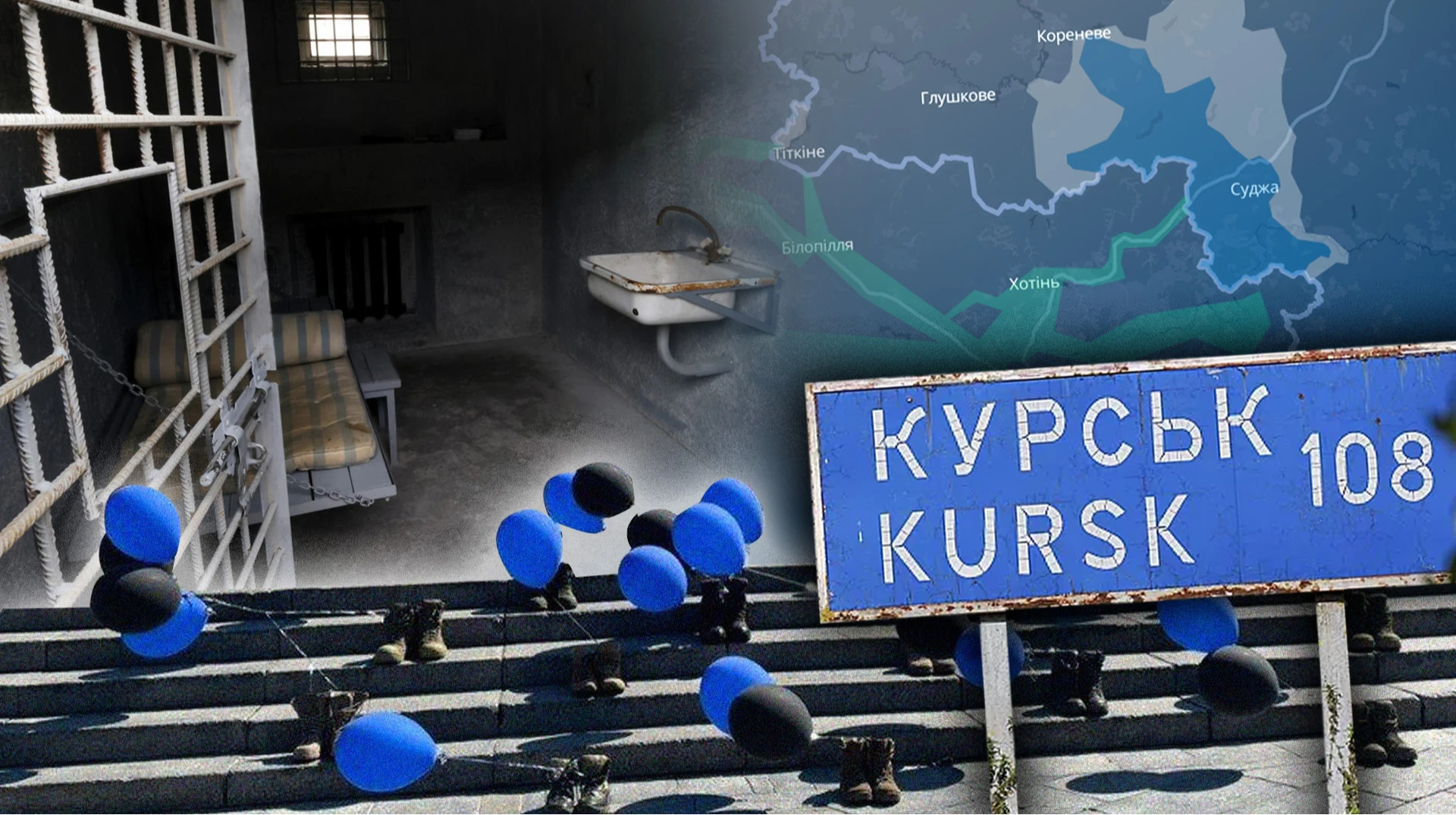
Prisoners of War Tried as Terrorists: What Is Happening to Ukrainian Soldiers Captured in Russia’s Kursk Region
The number of Ukrainians captured by Russian forces in the Kursk region remains hidden by the fog of war and defenders may be considered missing in action for months before suddenly appearing in photographs posted on Telegram channels alongside other prisoners of war. Or, conversely, families may search those same channels every day for any trace of their loved one, only to one day receive the devastating news of their death.