The report, which ULAG contributed to both in its preparation and presentation, drew the Committee’s attention to systemic shortcomings in the investigation of torture in Ukraine, particularly in the context of the ongoing armed conflict.
At the closed civil society briefing, organisations highlighted a number of critical issues, including: the urgent need to harmonise the Criminal Code with international law, ensure the proper documentation of crimes (rather than the mere formal opening of criminal proceedings), improve the legal definition of torture, and strengthen judicial oversight of law enforcement actions. Our organisation was represented by Alina Pavliuk, ULAG’s legal analyst and coordinator of the network of lawyers.
The Committee expressed strong interest in conflict-related issues, reflecting a growing awareness of the human rights protection challenges Ukraine faces during wartime. Key topics discussed included the effectiveness of the judicial system, access to compensation, conditions in illegal detention facilities, compliance with the rights of prisoners of war, and mechanisms for investigating torture.
During the second session, in the round of follow-up questions to the Ukrainian government delegation, members of the Committee cited excerpts from the Alternative Report. These included concerns about the lack of reliable statistics on torture during the war, the qualification of torture under less serious criminal provisions, and the overall effectiveness of national justice processes. This indicates that civil society positions have been integrated into the international dialogue at the UN level.
The Committee will publish its concluding observations in the near future. The Ukrainian government will have one year to submit a response, and civil society organisations will be able to provide additional comments at the end of this period.
The Alternative Report was prepared by a coalition of organisations — ZMINA, Ukrainian Legal Advisory Group, Ukraine Without Torture, and FreeRights — with the support of the World Organisation Against Torture (OMCT). The report focuses on the definition of torture, challenges in investigating such crimes and holding perpetrators accountable, conditions of detention, the role of national human rights institutions, key legal safeguards, and access to reparation and rehabilitation for victims. The ULAG team contributed to the section on documenting and investigating torture committed by Russia during the armed conflict.
The full report is available in both Ukrainian and English here:
https://zmina.ua/publication/alternatyvnyj-zvit-do-komitetu-oon-proty-katuvan-shhodo-vykonannya-ukrayinoyu-svoyih-mizhnarodnyh-zobovyazan-za-konvencziyeyu-proty-katuvan/
Read next
News
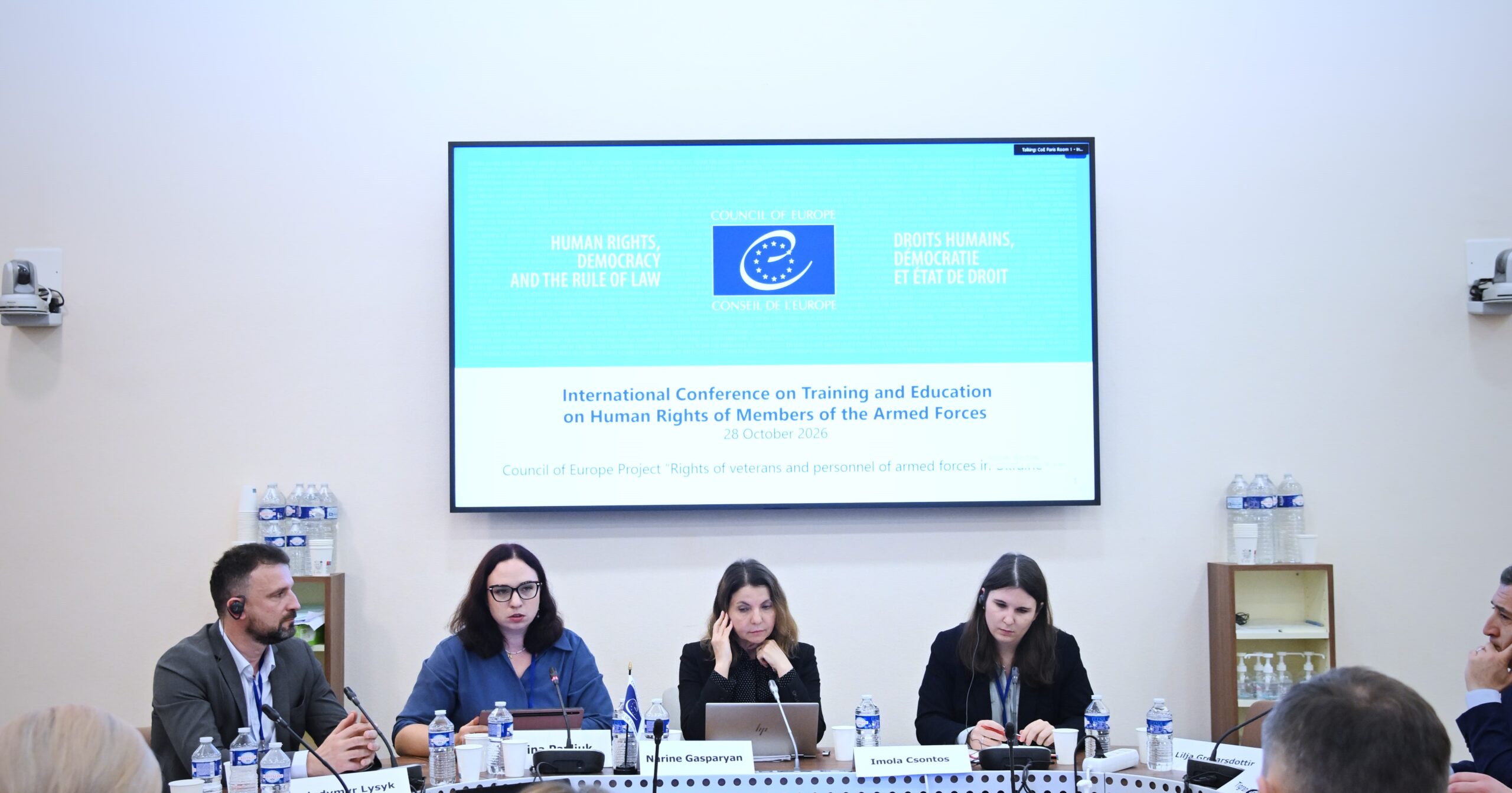
Protecting the Rights of Prisoners of War and Monitoring Human Rights in the Armed Forces: ULAG at a Council of Europe Conference
Alina Pavliuk, ULAG Analyst and Legal Coordinator, spoke at the International Conference on Training and Education on Human Rights of Members of the Armed Conflict. The event was organised by the Council of Europe in Paris on 28 of October.
News
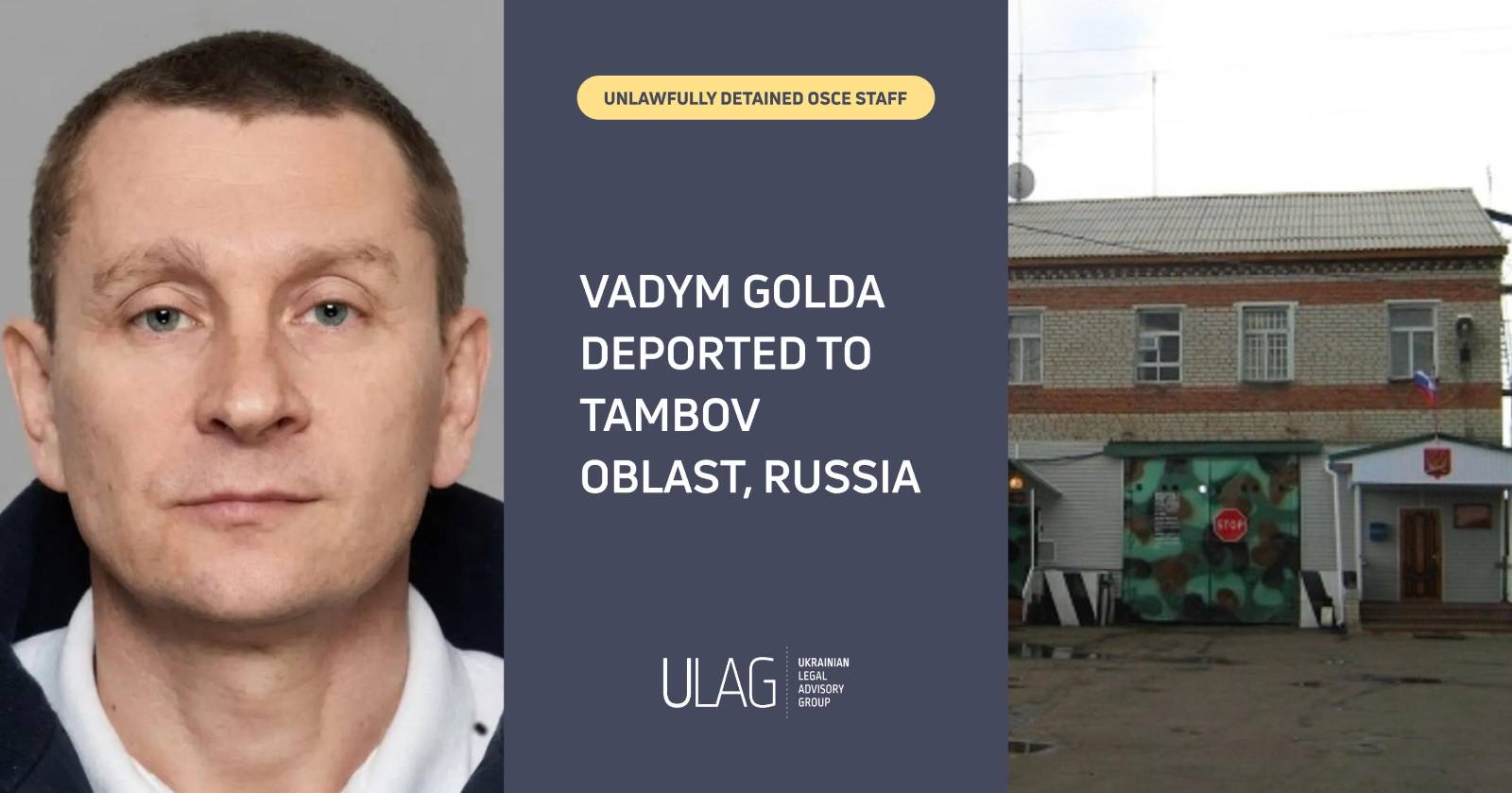
OSCE SMM staff member Vadym Golda deported to Russia
Vadym Golda’s family has reported that he was transferred from temporarily occupied Donetsk region to Medical Correctional Institution No. 7 of the Russian Federal Penitentiary Service in Tambov Oblast. Reports of his likely transfer had emerged earlier: before the transfer, Vadym was last in contact on 15 October 2026 and expected to be moved on […]
News
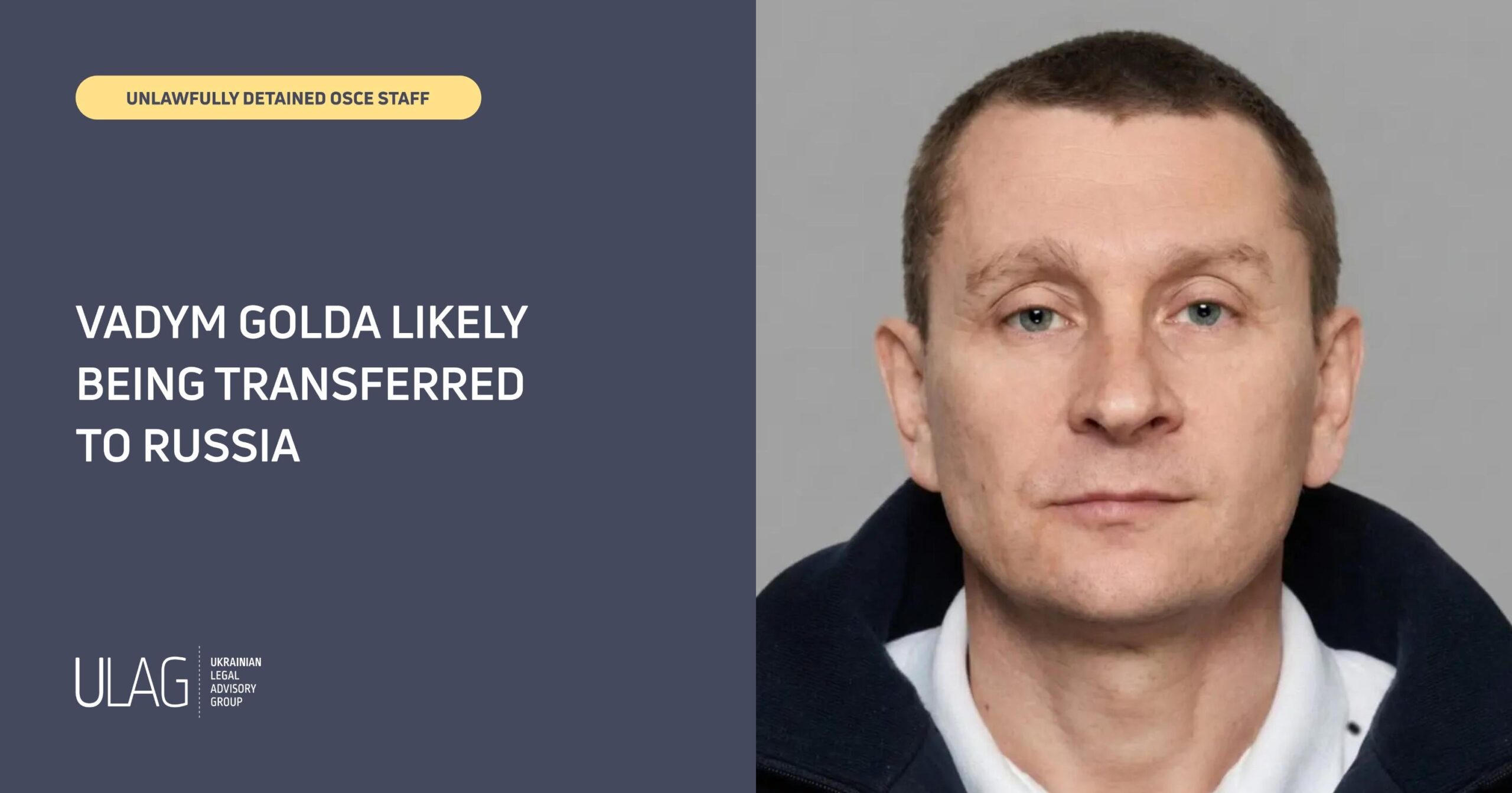
Vadym Golda, OSCE SMM staff member, likely being transferred from temporarily occupied Donetsk Oblast to Russia
According to his family, Vadym, who had been held in temporarily occupied Donetsk region, was last in touch with them on 15 October 2026. He had previously told them that for several months there had been rumours of an “evacuation” of convicted prisoners to Siberia, and that since August 2026 people had been regularly taken […]