As 2025 marks the 50th anniversary of the Helsinki Final Act – an enduring symbol of international cooperation, peace, and respect for human rights – we are reminded of the core principles that bind the OSCE’s participating States. Among them is the unwavering commitment to uphold international law, the dignity of individuals, and the inviolability of international and immunized personnel, who are instrumental to implementing such a commitment.
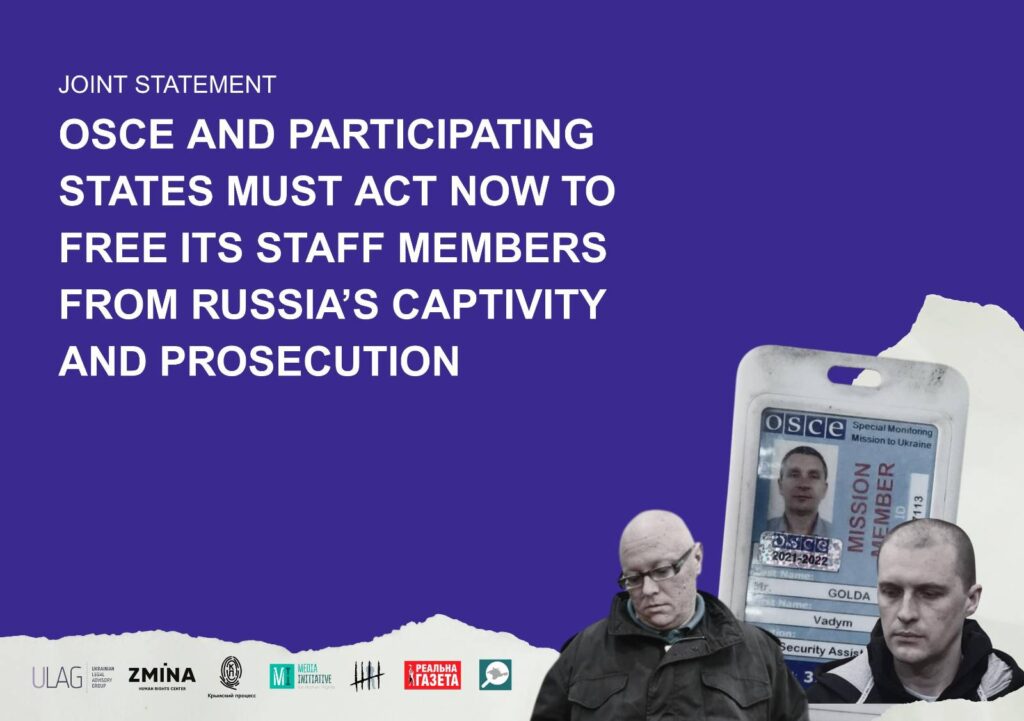
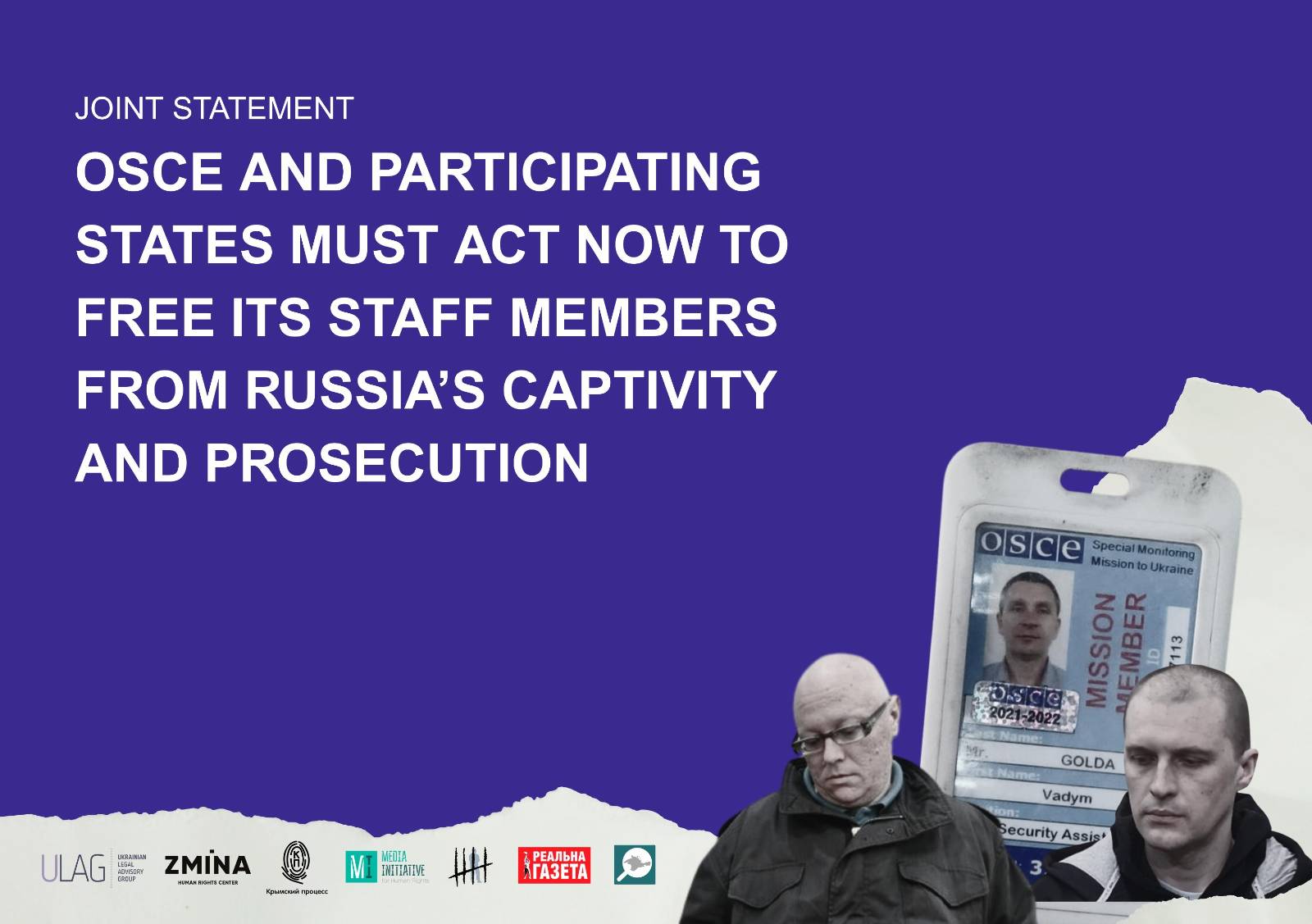
It’s with deep concern that we continue to witness the unjust detention of Ukrainian nationals – Dmytro Shabanov, Maksym Petrov and Vadym Golda – who were serving under the mandate of the Organization for Security and Co-operation in Europe (OSCE). These individuals carried out their duties in good faith, under the protection of functional immunities in accordance with international law, and should never have been subjected to arrest, prosecution and imprisonment, as confirmed in the statement made by OSCE PA Special Representative on Political Prisoners and PACE General Rapporteur on Political Prisoners in Europe, published in April 2025.
Their prolonged captivity over three years has already led to deterioration of health of Dmytro, Maksym and Vadym due to torture, inhumane conditions and lack of proper medical treatment. In addition, since Dmytro’s and Maksym’s sentences were aligned with Russian law in January 2025, Dmytro Shabanov was forcibly deported to a far region of Russia Omsk, which has posed additional risks to his life. Maksym remains under the threat of deportation.
This situation sends a chilling message: those working for international organizations – even under official mandates – are no longer shielded by the protections historically upheld by the global community. This creates a dangerous precedent and poses an unacceptable risk to all personnel serving in international missions worldwide.
This notion takes particular significance in light of conversations about monitoring mechanisms for a potential ceasefire in the war Russia is waging against Ukraine, with the OSCE being considered as a potential option. With the United States President Donald J. Trump urging Russia to agree to a ceasefire before September 2025, now is a critical moment to achieve the release of Ukrainian OSCE staff members, as it is a necessary condition to consider any monitoring initiative viable. Any plans to deploy monitoring personnel, while Dmytro, Maksym and Vadym are in Russia’s captivity, are unfeasible, unrealistic, and would undermine the moral authority and credibility of such a mechanism, as well as the states and organisations initiating it.
The 50th anniversary of the Helsinki Final Act must be marked not only by reaffirmations of principle but through decisive, united action – beginning with the unconditional and immediate release of the detained Ukrainian OSCE staff. Their release would send a powerful message that international norms remain enforceable and that the OSCE stands united in defence of its personnel and values.
We urge the OSCE and its participating States to uphold the Duty of care they committed to, and ensure that securing justice for and the release of all unlawfully detained protected persons, in particular OSCE staff members – Dmytro Shabanov, Maksym Petrov and Vadym Golda – not only remains a top priority on the agenda of the OSCE Chairperson, Secretary General, and Participating States, but is also translated into concrete diplomatic efforts.
The lack of proper mechanisms in place must only stimulate a more proactive approach towards addressing this gap, not disincentivize it.
This includes:
We appreciate the continued attention that Congressman Steve Cohen, OSCE PA Special Representative on Political Prisoners, has devoted to this issue. We call on the Special Representative to act – by reporting, developing concrete policy recommendations, engaging with PA members, participating states, executive bodies, and external actors – to facilitate the release of the OSCE staff members, ensuring it remains a high-priority issue.
The time to act is now. The price of inaction is not only the continued suffering of Dmytro, Maksym and Vadym, but a lasting blow to the very foundations of the Helsinki spirit. Ensuring their release would reinforce the Organization’s credibility, affirm the shared responsibility of participating States, and help close the existing gap in the OSCE’s capacity to respond effectively when its own staff is targeted.
NGO Crimean Process
Human Rights Centre ZMINA
Ukrainian Legal Advisory Group
Crimean Human Rights Group
Media Initiative for Human Rights
“The Principle of Hope” Foundation
“Realna Gazeta“ News & Media company
Katherine Vizcaino
Dora Chomiak CEO, Razom for Ukraine
Kateřina Krejčová, Former SMM OSCE Monitor
Mykola Shalakhin, former Chief of OSCE SMM Interpretation/Translation Cell
Olga Zviagintseva, Former SMMU OSCE employee
Tinatin Bezhanishvili, Former Monitoring Officer/Patrol Group Leader of Kadiivka/ Stakhanov FPB, Deputy Hub Leader, Deputy Hub Ops Coordinator of OSCE SMM to Ukraine, LPH, LMT
Duncan Spinner, Luhansk Monitoring Team 2015- 2019, Monitoring Team Operations Manager
Austausch e. V.
Olena Nastoiashcha, OSCE SMM Luhansk
Ivan Bilozerov, Driver, OSCE SMMU Donetsk Hub
Paula Theliander, SMM Ukraine Luhansk
Duncan Spinner, OSCE SMM LUHANSK MONITORING TEAM 2015-2019
Gabriela Steinle, Former Monitoring Officer / Patrol Group Leader of Kadiivka/ Stakhanov FPB, LMT, OSCE SMM
David Orrells, OSCE
Alison Stables, Former Deputy Team Leader OSCE SMM
Tinatin Bezhanishvili, Former Monitoring Officer/Patrol Group Leader of Kadiivka/ Stakhanov FPB, Deputy Hub Leader, Deputy Hub Ops Coordinator of OSCE SMM to Ukraine, LPH, LMT
Olga Zviagintseva , Former SMMU OSCE employee
Mykola Shalakhin, former Chief of OSCE SMM Interpretation/Translation Cell
Kateřina Krejčová , Former SMM OSCE Monitor
Read next
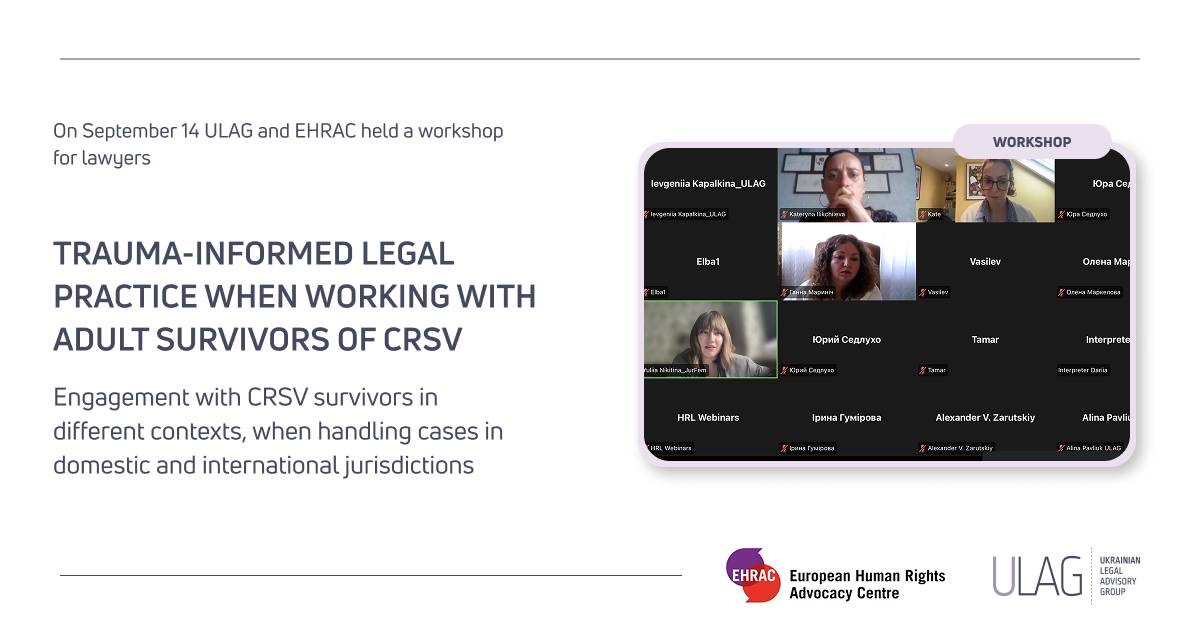
Workshop for lawyers: trauma-informed legal practice when working with adult survivors of CRSV
On September 14, the European Human Rights Advocacy Centre (EHRAC) and ULAG held a joint workshop for lawyers working with adult survivors of conflict-related sexual violence (CRSV).
Articles
The voices of Ukrainians must be heard
The letter was published in May 2026 on the website of our long-time partner ECCHR, in the Living Open Archive section. It is a collection of personal impressions and stories from ECCHR staff and partners about the projects they work on, the injustices and contexts they experience, and the world they envision. They share intimate reflections in letters to their colleagues, allies, and the world.
Articles
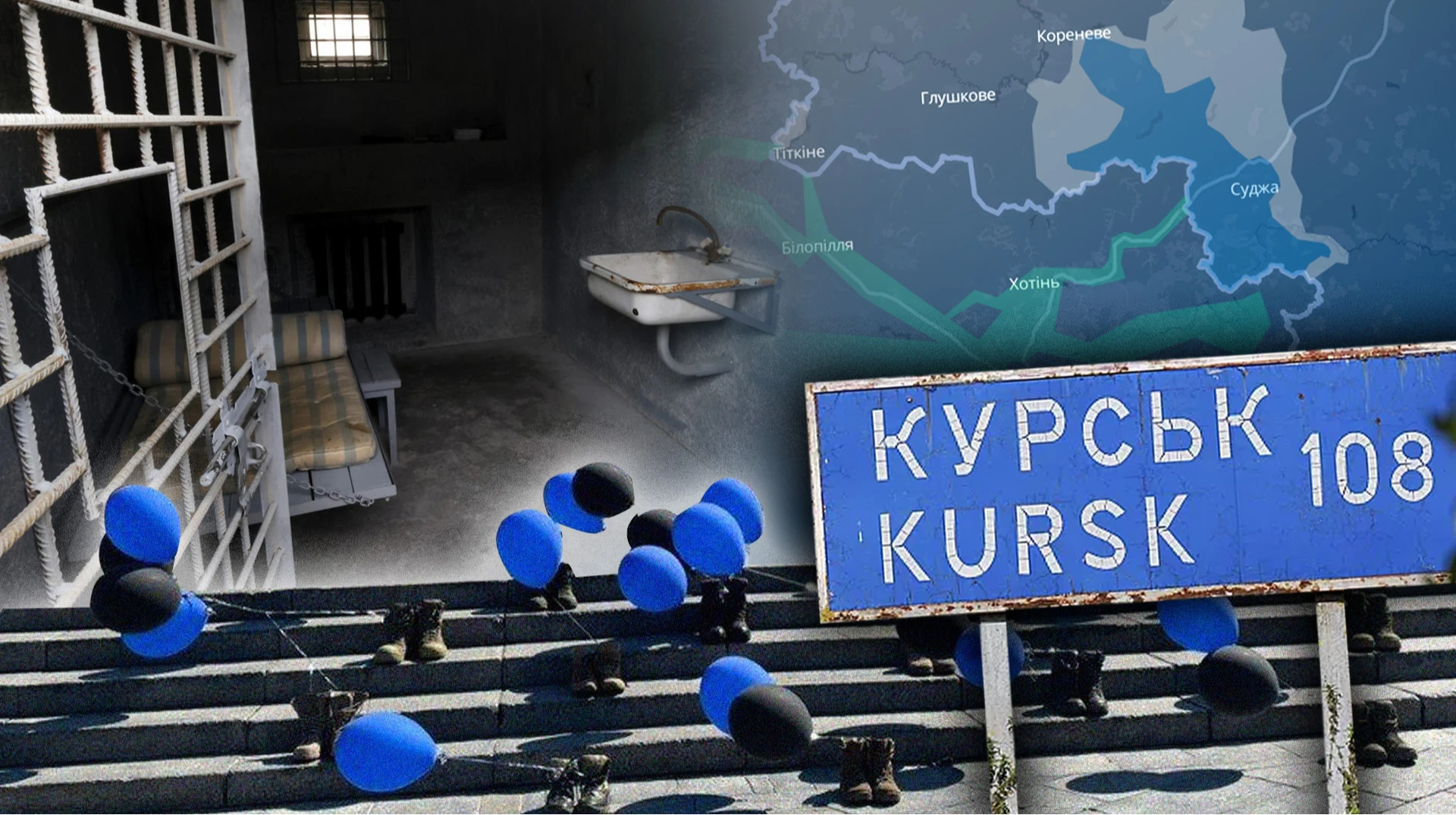
Prisoners of War Tried as Terrorists: What Is Happening to Ukrainian Soldiers Captured in Russia’s Kursk Region
The number of Ukrainians captured by Russian forces in the Kursk region remains hidden by the fog of war and defenders may be considered missing in action for months before suddenly appearing in photographs posted on Telegram channels alongside other prisoners of war. Or, conversely, families may search those same channels every day for any trace of their loved one, only to one day receive the devastating news of their death.