On February 24, 2022, during the full-scale invasion, the Armed Forces of the Russian Federation established control over the territory of the Chernobyl Nuclear Power Plant. At the time of the seizure, the facility was occupied by both civilian employees responsible for its operation and soldiers of the National Guard of Ukraine, who were providing security for the high-risk facility.
All of these individuals were effectively detained and held on the plant’s premises until the end of March 2022. Later, the National Guard soldiers were forcibly transferred to the territory of the Republic of Belarus, and subsequently to places of detention within the Russian Federation (a pretrial detention center and several penal colonies in the Bryansk, Tula, and Vladimir regions of the Russian Federation), where they were held for extended periods (ranging from 8 months to 3 years and 7 months). ULAG represents the interests of 19 individuals.
Representation before the ECtHR, as well as support and legal advice regarding criminal proceedings at the national level.
This category of cases is illustrative of the complex interaction between the norms of international humanitarian law and international human rights law. The key issue is determining the limits of the application of the guarantees under Article 5 of the Convention to persons who may formally be considered prisoners of war. Of particular note is the fact that the military personnel in question were captured while performing security duties at a facility posing a significant nuclear risk and were not participating in hostilities in the conventional sense. This highlights the need for an individualised assessment of their status and the applicable safeguards. In a broader context, these cases may be significant for the further development of the ECtHR’s approach following the decision in Ukraine and the Netherlands v. the Russian Federation (2025) regarding the integration of IHL standards into the Convention’s framework.
Articles
The voices of Ukrainians must be heard
The letter was published in May 2026 on the website of our long-time partner ECCHR, in the Living Open Archive section. It is a collection of personal impressions and stories from ECCHR staff and partners about the projects they work on, the injustices and contexts they experience, and the world they envision. They share intimate reflections in letters to their colleagues, allies, and the world.
Articles
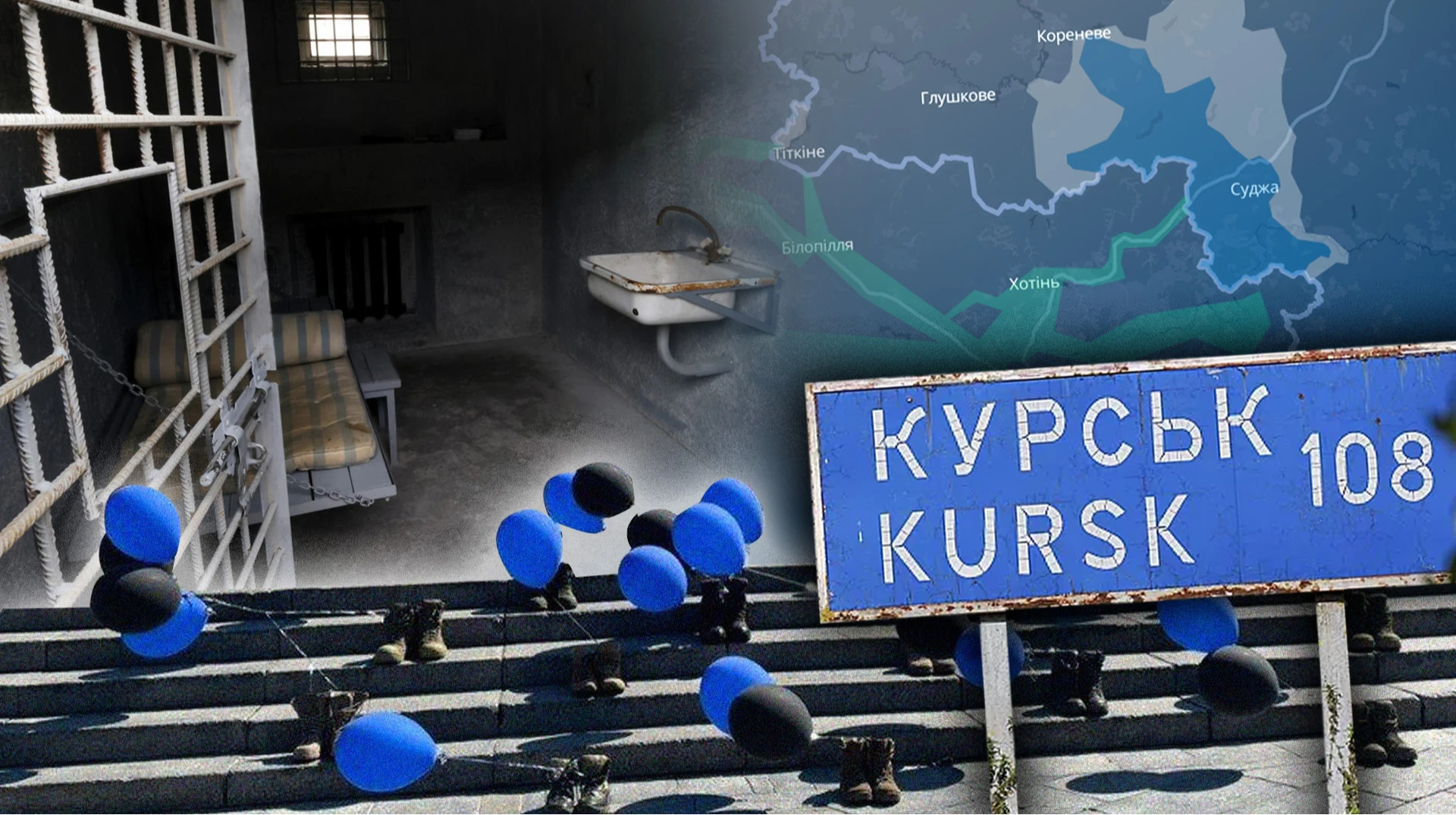
Prisoners of War Tried as Terrorists: What Is Happening to Ukrainian Soldiers Captured in Russia’s Kursk Region
The number of Ukrainians captured by Russian forces in the Kursk region remains hidden by the fog of war and defenders may be considered missing in action for months before suddenly appearing in photographs posted on Telegram channels alongside other prisoners of war. Or, conversely, families may search those same channels every day for any trace of their loved one, only to one day receive the devastating news of their death.
Articles
ECtHR Case Law on the Consequences of the Armed Conflict in Ukraine: The Detention of Ukrainian Troops at the Chornobyl Nuclear Power Plant
At the start of Russia’s full-scale invasion, one of the primary objectives of the Russian armed forces was to seize control of the Chornobyl Nuclear Power Plant (ChNPP). In February 2022, Russian troops occupied the facility and detained everyone there, including both civilian personnel responsible for maintaining the operation of the plant and members of the National Guard of Ukraine (NGU), who were responsible for the facility’s security.