In order to ensure justice for victims of war and end impunity for the most serious international crimes, Ukraine needs a three-tiered justice architecture that includes national, hybrid and international elements.
 Specialised domestic system
Special internationalised (hybrid, mixed) mechanism
International Criminal Court
It is the Ukrainian justice system that bears the brunt of the burden and is supposed to handle most of the cases. The system needs to be improved and strengthened, as well as supported by additional mechanisms. They will take away some of the workload and strengthen the domestic system`s potential.
No mechanism can single-handedly address the demand for justice for conflict-related crimes, especially given the magnitude and scale of violations committed in the context of Russia’s war against Ukraine. However a comprehensive approach to justice and a system of complementing mechanisms can close existing accountability gaps. It is important that not only the three tiers mentioned above, but also other initiatives and mechanisms – such as universal jurisdiction proceedings, joint investigative teams, etc. – effectively interact and form a holistic justice architecture.
This idea is reflected in our report ‘Needs Assessment of Ukraine`s Legal System: Delivering Meaningful Justice to the Victims and Survivors of the Armed Conflict’.
Read more about the state of the system today, existing gaps and possible solutions below, as well as in the report itself.


Read next
News
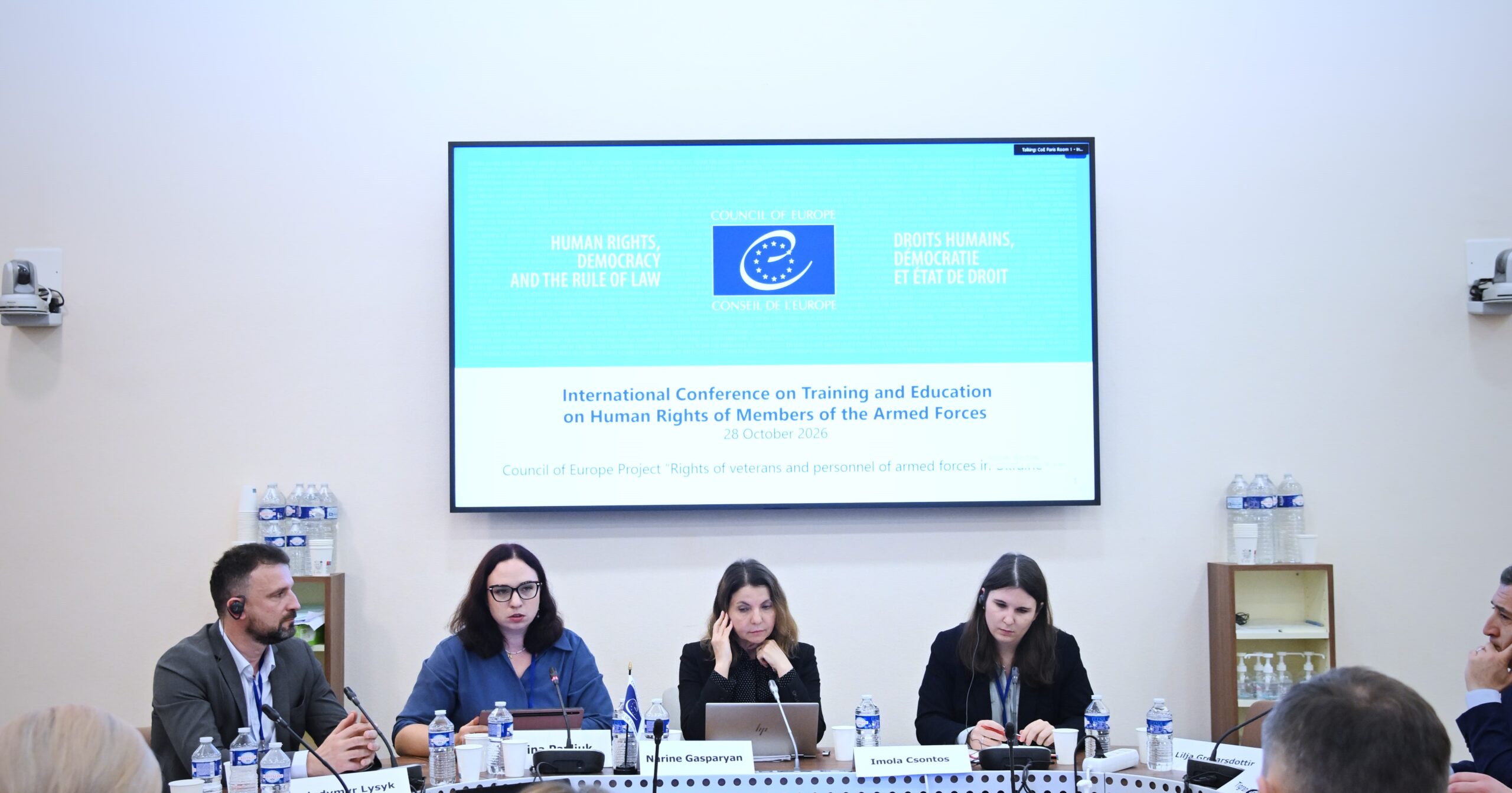
Protecting the Rights of Prisoners of War and Monitoring Human Rights in the Armed Forces: ULAG at a Council of Europe Conference
Alina Pavliuk, ULAG Analyst and Legal Coordinator, spoke at the International Conference on Training and Education on Human Rights of Members of the Armed Conflict. The event was organised by the Council of Europe in Paris on 28 of October.
News
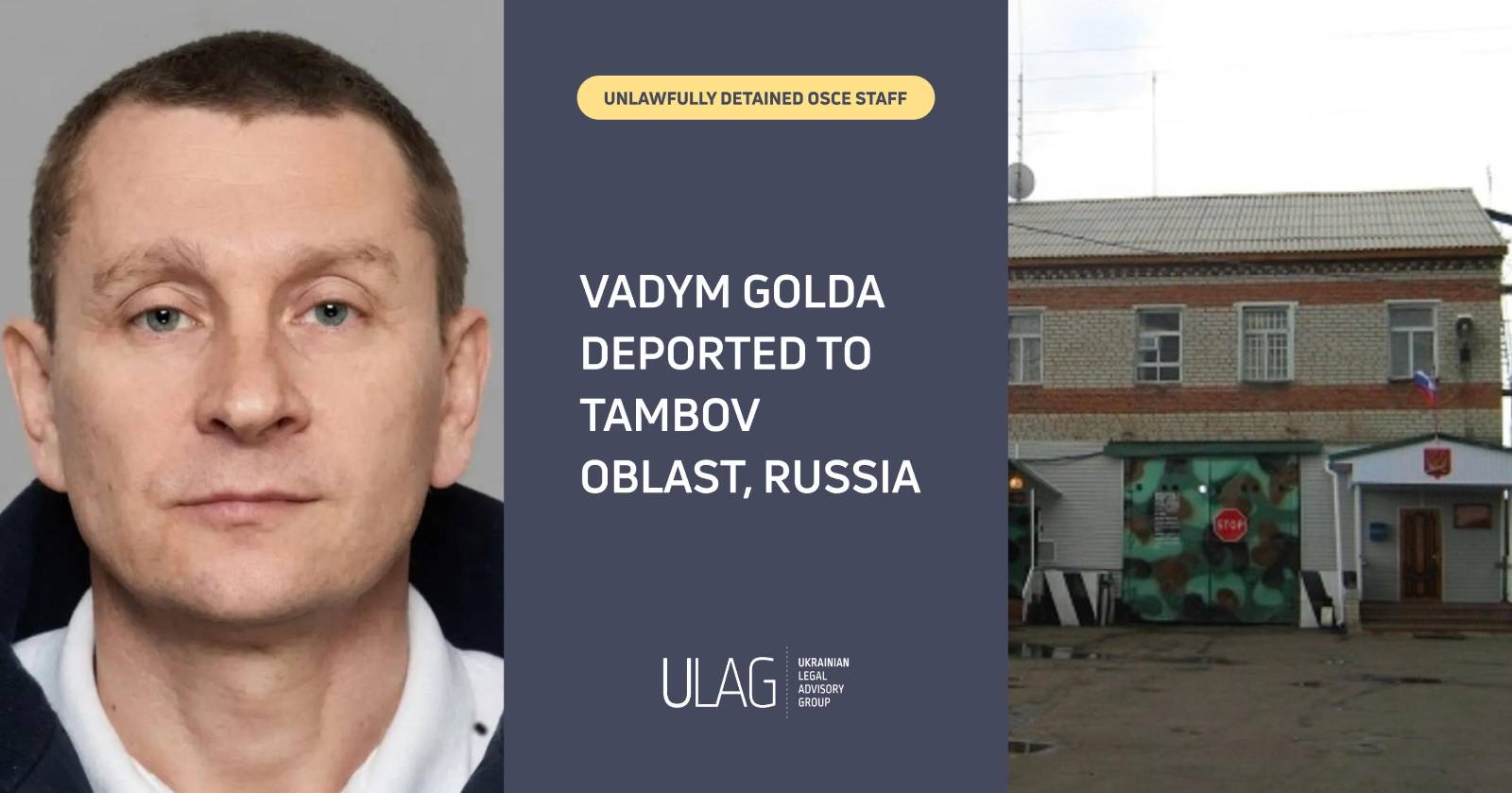
OSCE SMM staff member Vadym Golda deported to Russia
Vadym Golda’s family has reported that he was transferred from temporarily occupied Donetsk region to Medical Correctional Institution No. 7 of the Russian Federal Penitentiary Service in Tambov Oblast. Reports of his likely transfer had emerged earlier: before the transfer, Vadym was last in contact on 15 October 2026 and expected to be moved on […]
News
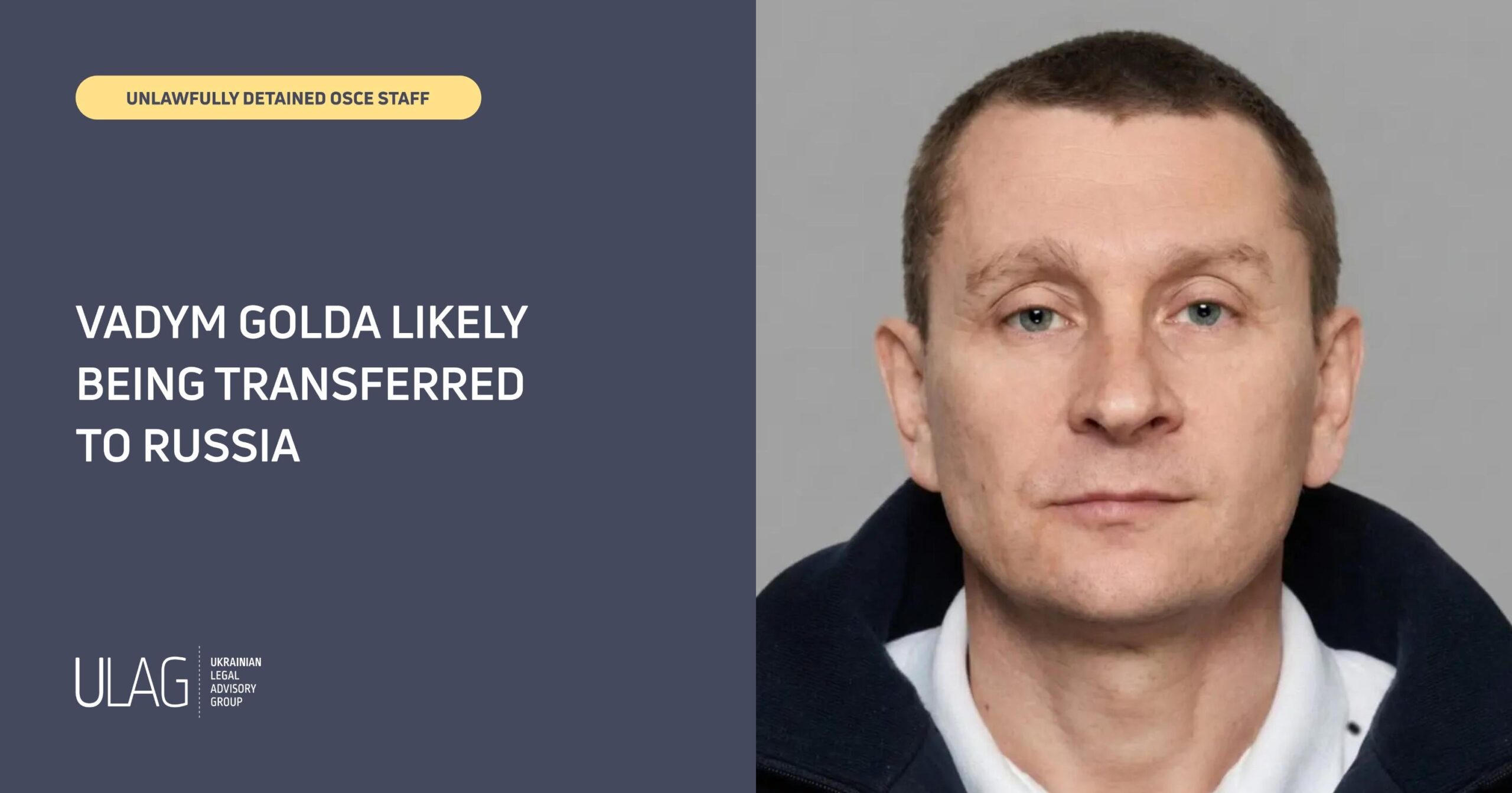
Vadym Golda, OSCE SMM staff member, likely being transferred from temporarily occupied Donetsk Oblast to Russia
According to his family, Vadym, who had been held in temporarily occupied Donetsk region, was last in touch with them on 15 October 2026. He had previously told them that for several months there had been rumours of an “evacuation” of convicted prisoners to Siberia, and that since August 2026 people had been regularly taken […]