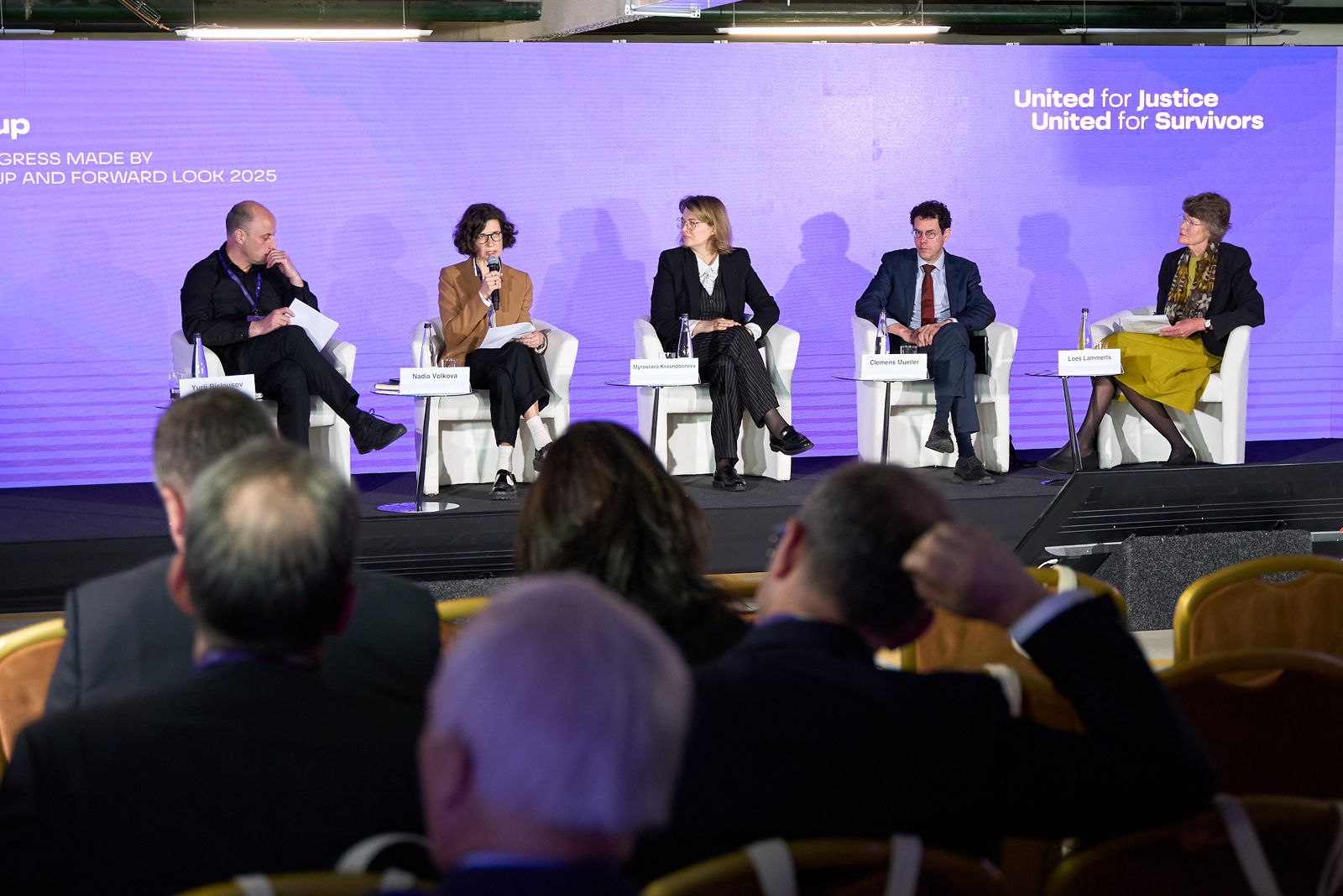
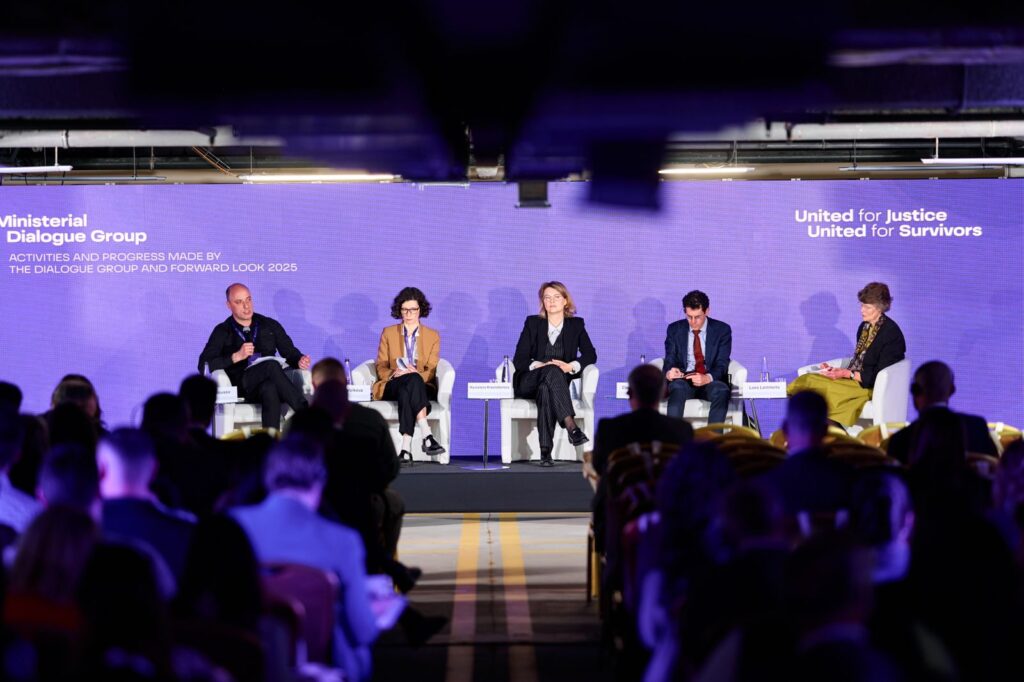
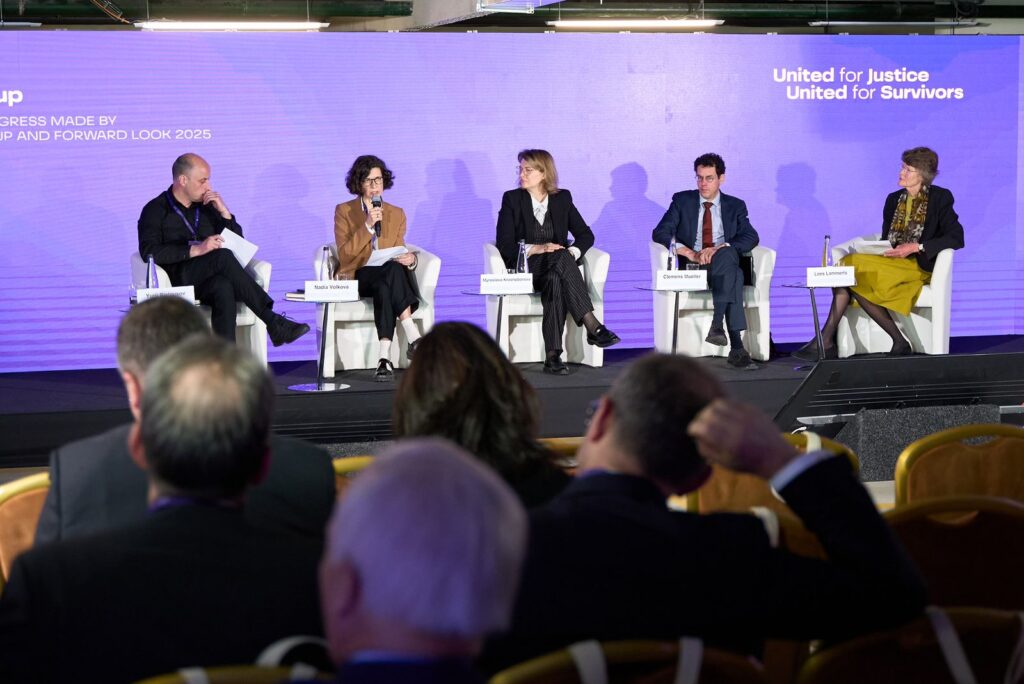
Nadia Volkova, Head of ULAG and co-coordinator of Workstream 4 of the Dialogue Group, called on the international community not to reduce the priority of justice issues, even despite the change in focus to reconstruction, because justice is the foundation of it.
The Dialogue Group on bringing to justice for the most serious crimes in Ukraine is a platform for cooperation, exchange of information, and coordination among various stakeholders working in the field of justice and accountability.
The 4th workstream focuses on strengthening the role of Ukrainian and international NGOs in documenting crimes, protecting victims’ rights, advocacy, legislative reforms and coordinating efforts for justice. This workstream also facilitates a systematic dialogue between CSOs and international partners and adds expertise to the other 3 workshops of the Dialogue Group, which includes the EU, ICC, Eurojust and OGP.
No matter what will happen at the political level, Ukraine with the help of the international community must ensure that justice does not become a bargaining chip or a casualty in the peace negotiations. Justice is a foundation of a reconstruction process.
We call for continued support for documenting, building cases, providing legal assistance to victims, and analytical work in the field of justice. We stand ready to do our homework and carry out our duties to the best of our ability but we need support and we need powerful partnerships.
Read next
Articles
The voices of Ukrainians must be heard
The letter was published in May 2026 on the website of our long-time partner ECCHR, in the Living Open Archive section. It is a collection of personal impressions and stories from ECCHR staff and partners about the projects they work on, the injustices and contexts they experience, and the world they envision. They share intimate reflections in letters to their colleagues, allies, and the world.
Articles
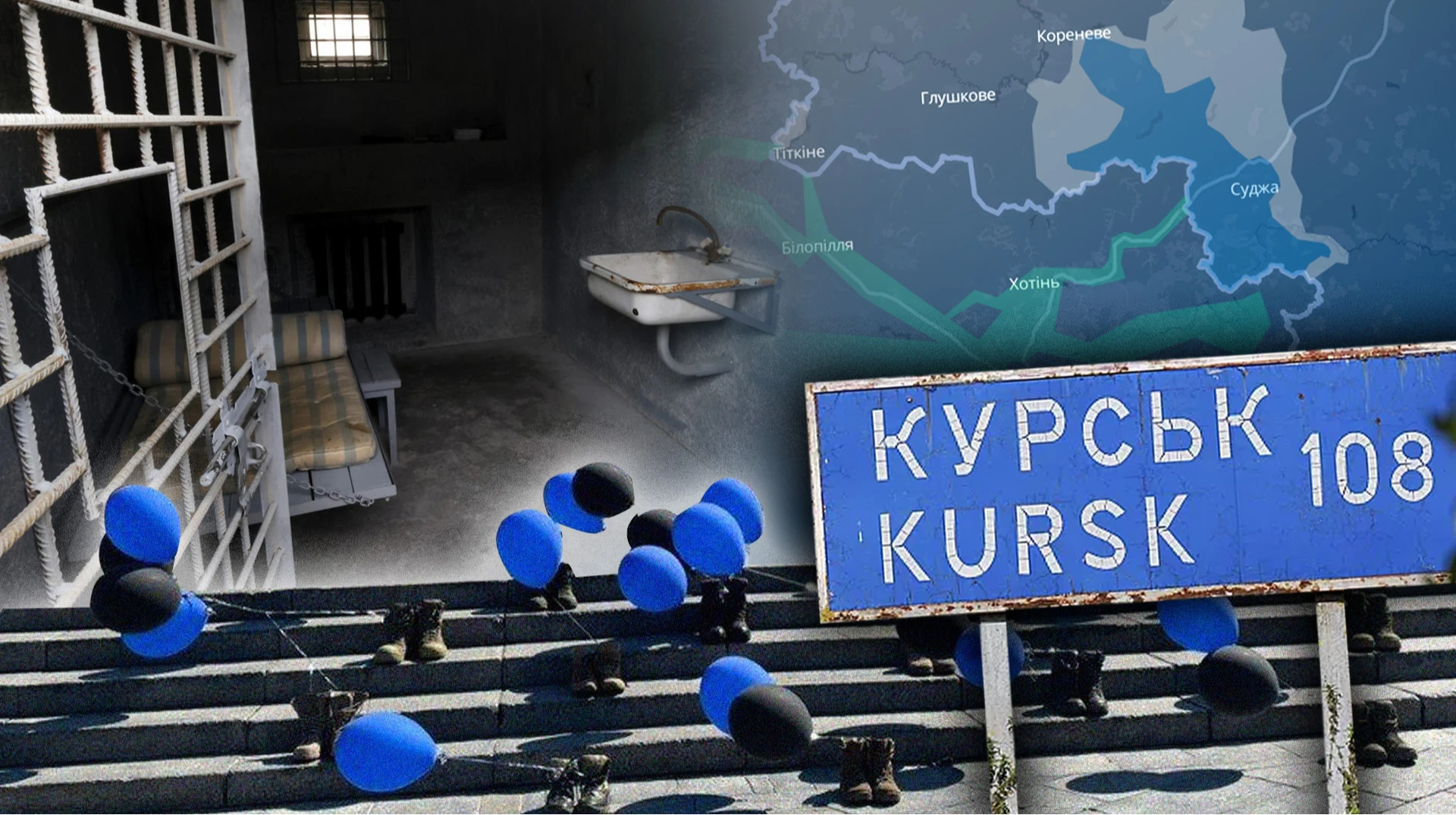
Prisoners of War Tried as Terrorists: What Is Happening to Ukrainian Soldiers Captured in Russia’s Kursk Region
The number of Ukrainians captured by Russian forces in the Kursk region remains hidden by the fog of war and defenders may be considered missing in action for months before suddenly appearing in photographs posted on Telegram channels alongside other prisoners of war. Or, conversely, families may search those same channels every day for any trace of their loved one, only to one day receive the devastating news of their death.
Articles
ECtHR Case Law on the Consequences of the Armed Conflict in Ukraine: The Detention of Ukrainian Troops at the Chornobyl Nuclear Power Plant
At the start of Russia’s full-scale invasion, one of the primary objectives of the Russian armed forces was to seize control of the Chornobyl Nuclear Power Plant (ChNPP). In February 2022, Russian troops occupied the facility and detained everyone there, including both civilian personnel responsible for maintaining the operation of the plant and members of the National Guard of Ukraine (NGU), who were responsible for the facility’s security.