Since the Coalition for the International Criminal Court issued a statement calling for Vladimir Putin not to be welcomed in Tajikistan, the visit has ultimately taken place. This is yet another case of a State Party to the Rome Statute violating its obligations to cooperate with the ICC.
Despite that, the statement – and Nadia Volkova’s message within it – remains as relevant as ever: those subject to International Criminal Court’s arrest warrants must be arrested, not allowed to move freely around the globe, especially by States Parties to the Rome Statute.
For victims of grave crimes committed in the course of Russia’s war against Ukraine, the International Criminal Court remains a key mechanism for ensuring accountability of the Russian leadership. The ICC arrest warrant — a compelling recognition that Vladimir Putin may be responsible for the unlawful deportation of Ukrainian children — has so far largely prevented him from freely traveling the world. For victims and survivors, it maintains a vital hope for justice, serving as a reminder that, while he may not yet be arrested, the perpetrator cannot enjoy impunity
Welcoming Putin to Tajikistan would mean that a State Party to the Rome Statute is undermining the very Court it has pledged to uphold. It would also betray those who have suffered and continue to suffer from atrocities while indulging a suspected war criminal. States must arrest, not welcome perpetrators of grave international crimes.
In light of the upcoming Assembly of States Parties (ASP’24) in December 2025, it is now up to all ICC States Parties, as well as the Court itself, to address what is increasingly appearing to be a systemic issue – with Mongolia last year and now Tajikistan.
Non-cooperation undermines the Court’s legitimacy and betrays the hope for justice of those who suffered the greatest harm.
Read next
News
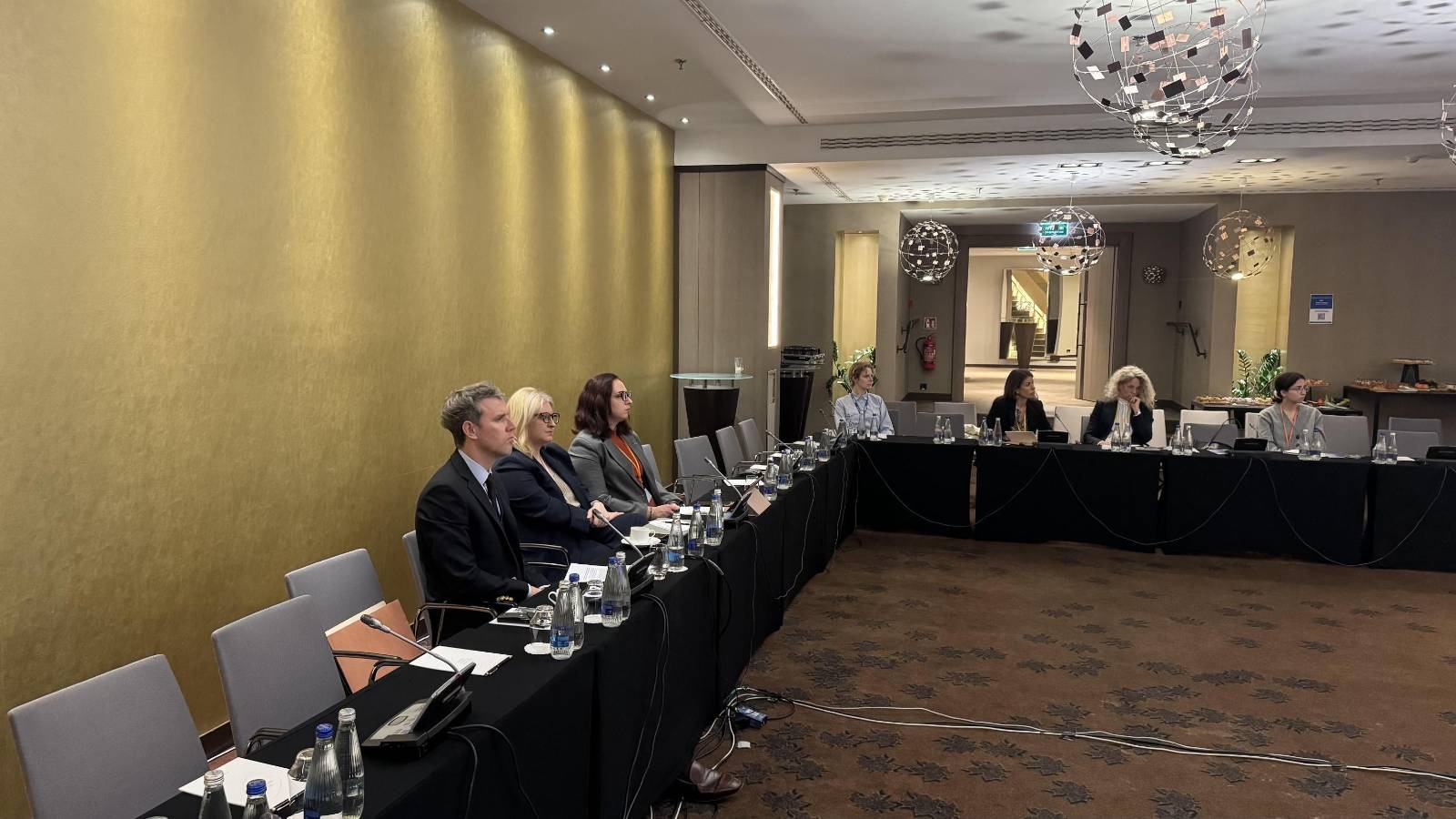
Why Ukraine Needs a State Policy on Justice for Grave Crimes — a Warsaw Human Dimension Conference 2026 Side Event
What would a comprehensive state policy on justice for grave international crimes look like, and why does Ukraine need one now? These questions were discussed on 8 October at a side event of the Warsaw Human Dimension Conference 2026 (WHDC), co-organised by ULAG and Civil Rights Defenders. The panellists were Alina Pavliuk (ULAG), Onysiia Syniuk […]
News
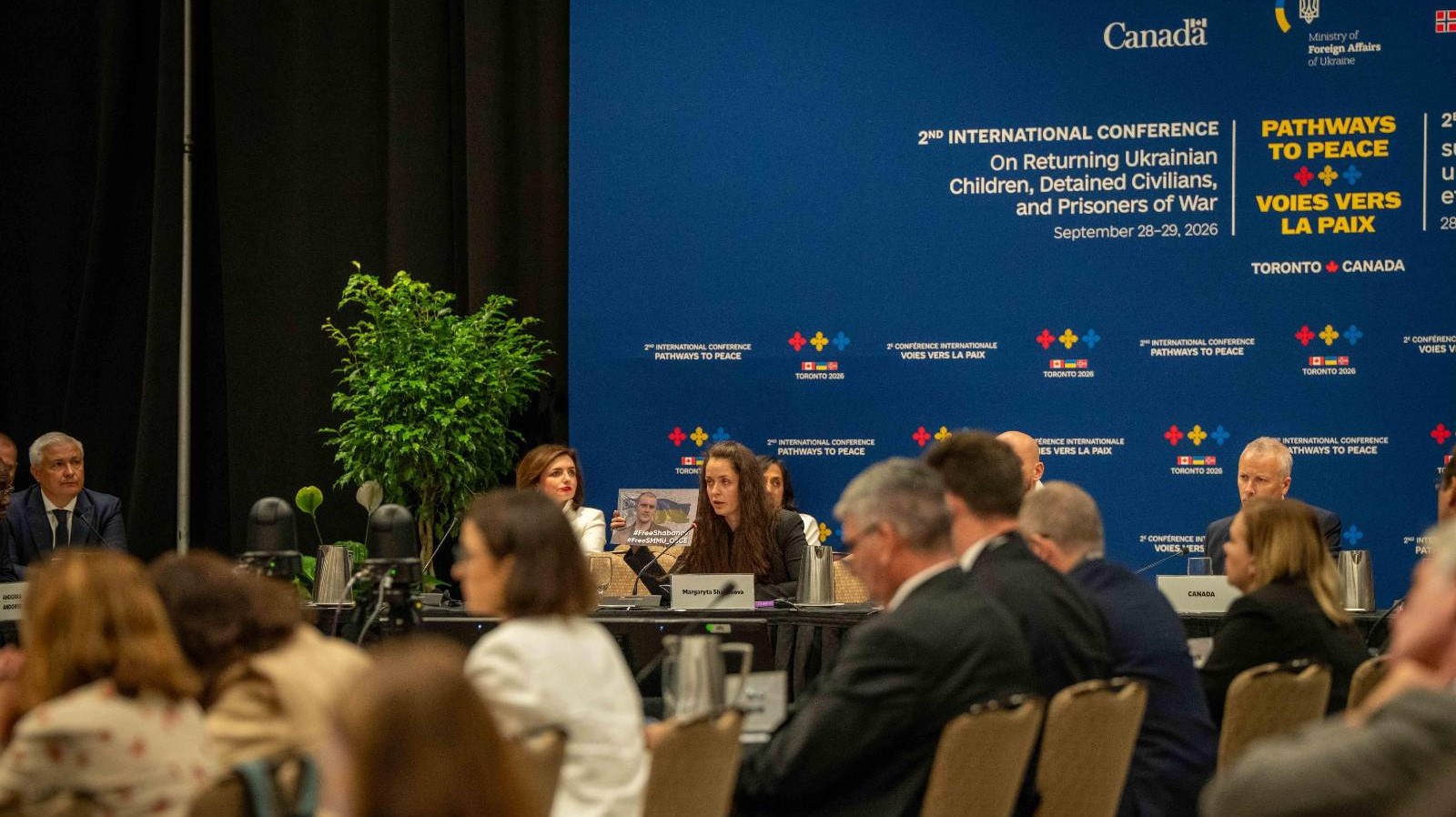
Toronto Conference: Seeking Pathways for the Return of All Ukrainians, Including Detained OSCE Staff
At a high-level conference in Toronto on 28–29 September, the case of three detained OSCE staff members, Dmytro Shabanov, Maksym Petrov and Vadym Golda, was part of the discussion on effective pathways for the return of Ukrainian civilians, prisoners of war and children.
News
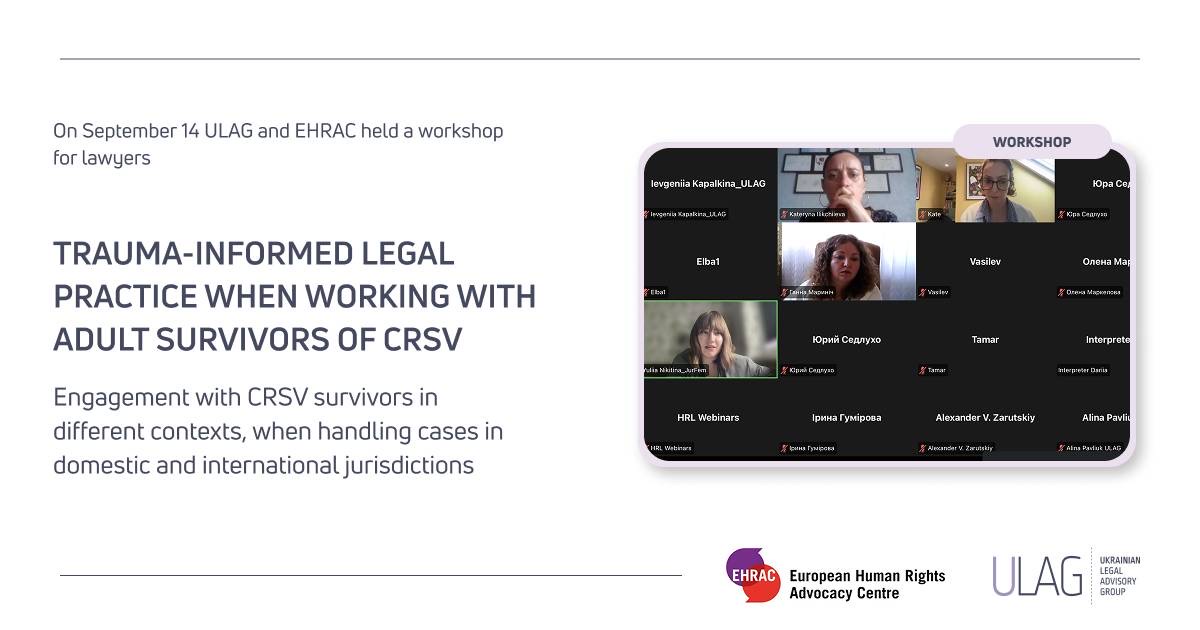
Workshop for lawyers: trauma-informed legal practice when working with adult survivors of CRSV
On September 14, the European Human Rights Advocacy Centre (EHRAC) and ULAG held a joint workshop for lawyers working with adult survivors of conflict-related sexual violence (CRSV).