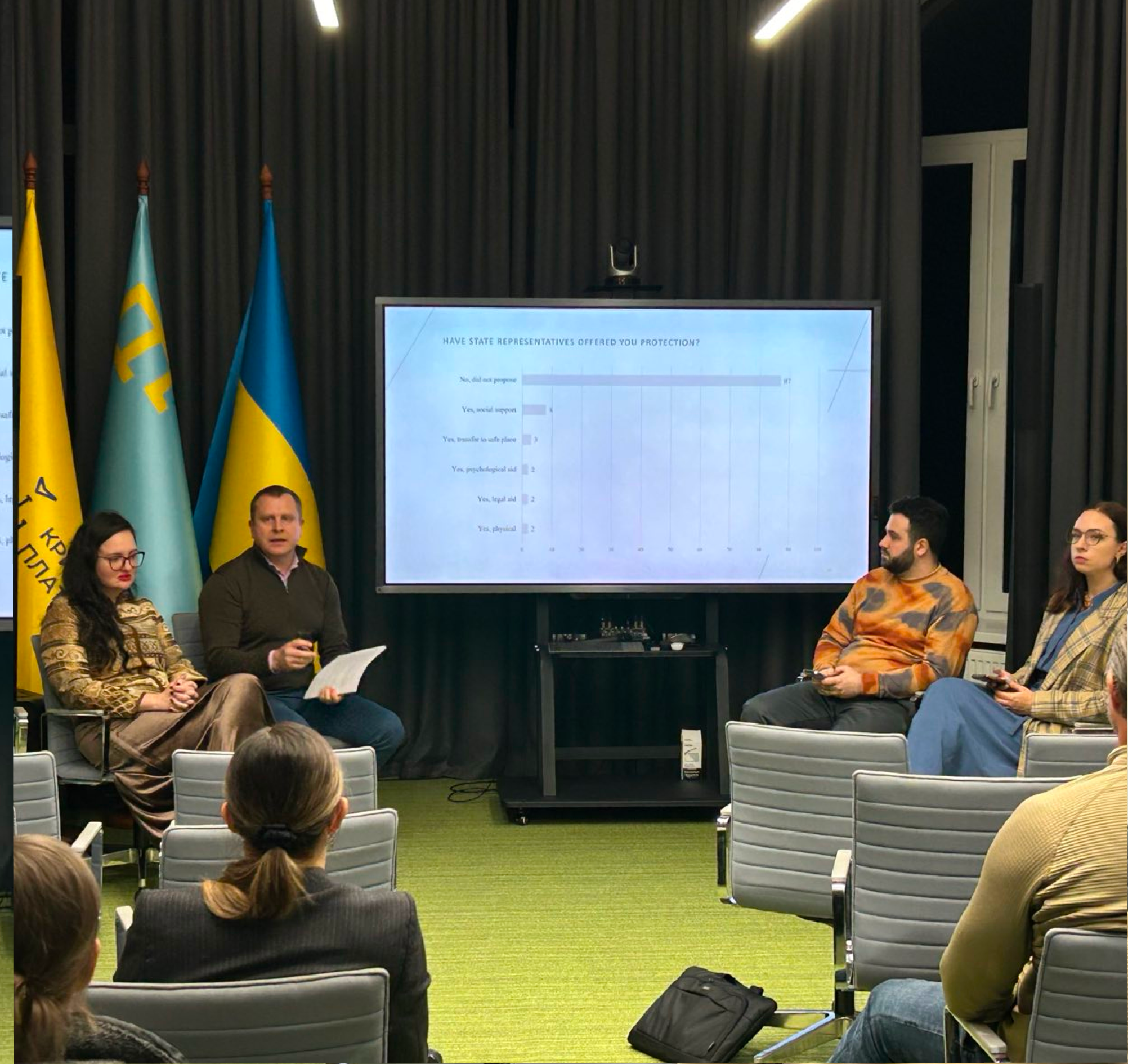
On 16 December 2024, the Ukrainian Legal Advisory Group brought together experts and international stakeholders for a discussion on justice processes and the challenges faced by victims of international crimes committed in Ukraine.

The event was hosted at the Mission of the President of Ukraine in the Autonomous Republic of Crimea.
Among the speakers were:

The conversation highlighted pressing issues, including:
There is also a need for more coordination between civil society and international organisations, who provide support, the Coordination Centre for Victims and Witnesses Support, and other state institutions with a mandate to support people affected by the war to ensure more effective, relevant, equitable, and accountable support.
There is currently no effective victim and witness protection programme established in Ukraine, which puts survivors and witnesses in danger and disincentivises them to participate in justice processes.

Victim-centred approach is still not fully embedded in procedural actions, leading to a more traumatic experience, also caused by a fragmented approach to domestic proceedings. Access to justice is limited also by a de facto deprioritisation of incidents that took place prior to the full-scale invasion and challenges faced by victim representatives when participating in proceedings.

Such a process should be based on the needs of victims, as well as the system itself. An effective system requires mobilising existing institutions, as well as creating new elements to ensure justice for grave crimes and provide effective support to those affected by the war.
Read next
Articles
The voices of Ukrainians must be heard
The letter was published in May 2026 on the website of our long-time partner ECCHR, in the Living Open Archive section. It is a collection of personal impressions and stories from ECCHR staff and partners about the projects they work on, the injustices and contexts they experience, and the world they envision. They share intimate reflections in letters to their colleagues, allies, and the world.
Articles
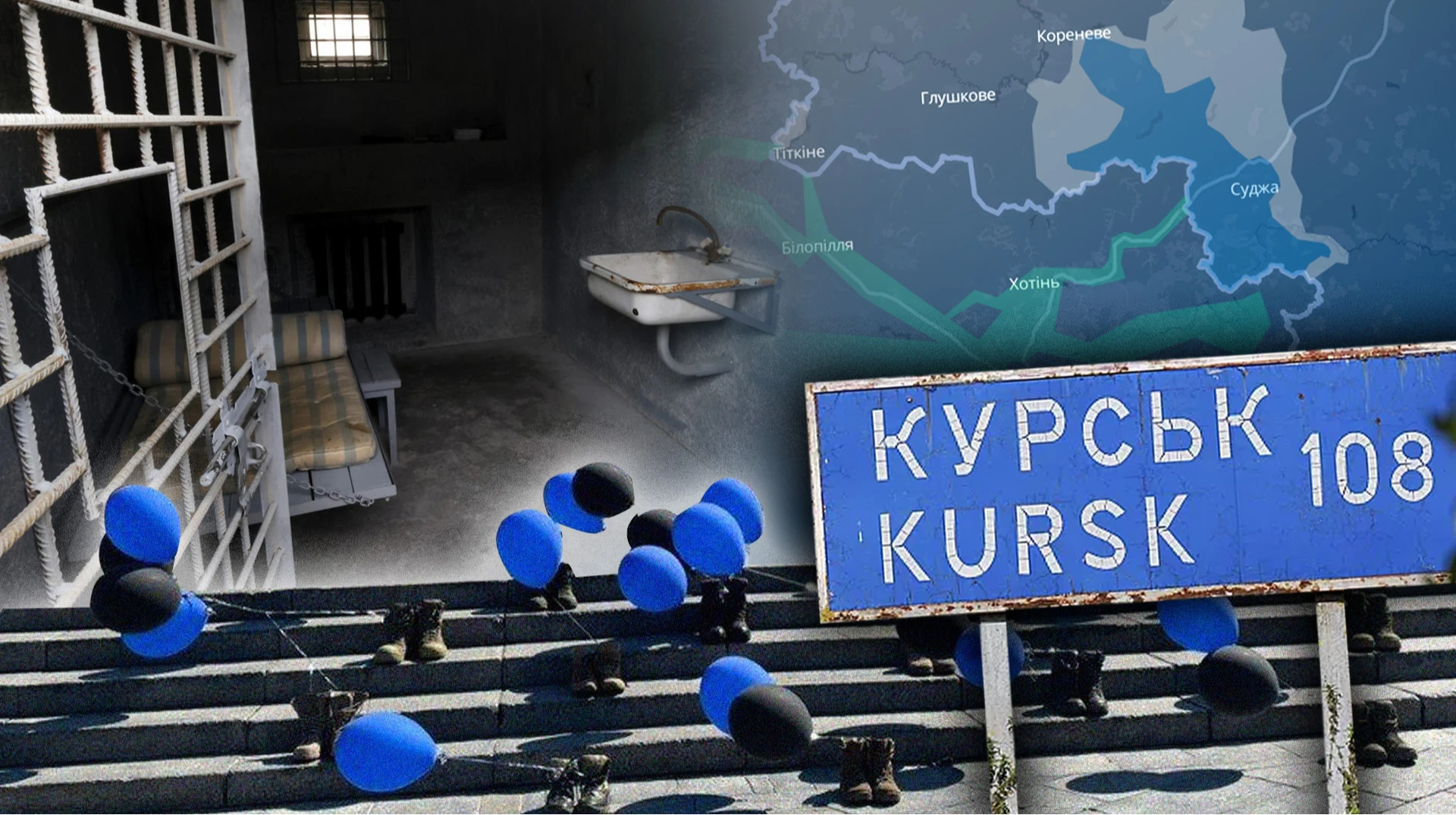
Prisoners of War Tried as Terrorists: What Is Happening to Ukrainian Soldiers Captured in Russia’s Kursk Region
The number of Ukrainians captured by Russian forces in the Kursk region remains hidden by the fog of war and defenders may be considered missing in action for months before suddenly appearing in photographs posted on Telegram channels alongside other prisoners of war. Or, conversely, families may search those same channels every day for any trace of their loved one, only to one day receive the devastating news of their death.
Articles
ECtHR Case Law on the Consequences of the Armed Conflict in Ukraine: The Detention of Ukrainian Troops at the Chornobyl Nuclear Power Plant
At the start of Russia’s full-scale invasion, one of the primary objectives of the Russian armed forces was to seize control of the Chornobyl Nuclear Power Plant (ChNPP). In February 2022, Russian troops occupied the facility and detained everyone there, including both civilian personnel responsible for maintaining the operation of the plant and members of the National Guard of Ukraine (NGU), who were responsible for the facility’s security.