The “Needs Assessment of the Ukraine’s Justice System” report offers a detailed analysis of the current state, challenges, and needs of the domestic justice system and international initiatives aimed at ensuring justice for grave international crimes, as well as possible ways to respond to them.
This is a living tool updated periodically. It is intended to facilitate a dialogue to find meaningful and relevant solutions to build an effective justice architecture for Ukraine.
Almost a year after its launch, we are excited to see the report being used and taken into account by CSOs, government and justice agencies, as well as international experts and institutions.
The web version should make the report more accessible and finding information in it more convenient. We have envisaged features for comfortable navigation (interactive table of contents, search, tags), reading (“dark” version, font size change), separated the introduction, summary and recommendations, and implemented other useful functions.
It is especially valuable to share this tool with you today – on the Day of International Justice and ULAG’s 7th birthday.
We thank the International Renaissance Foundation for supporting the development of the web version of the report.
Read next
News
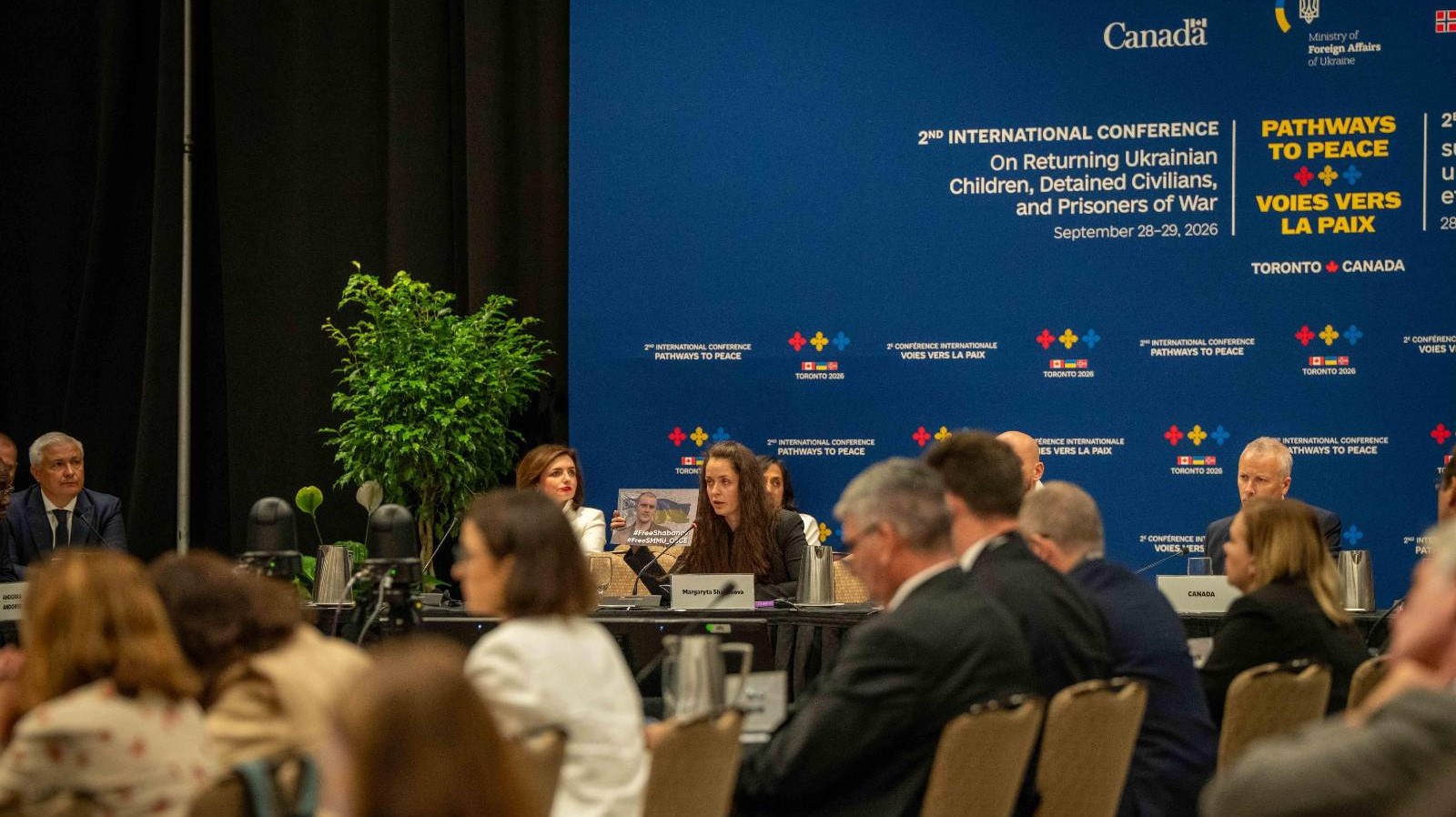
Toronto Conference: Seeking Pathways for the Return of All Ukrainians, Including Detained OSCE Staff
At a high-level conference in Toronto on 28–29 September, the case of three detained OSCE staff members, Dmytro Shabanov, Maksym Petrov and Vadym Golda, was part of the discussion on effective pathways for the return of Ukrainian civilians, prisoners of war and children.
News
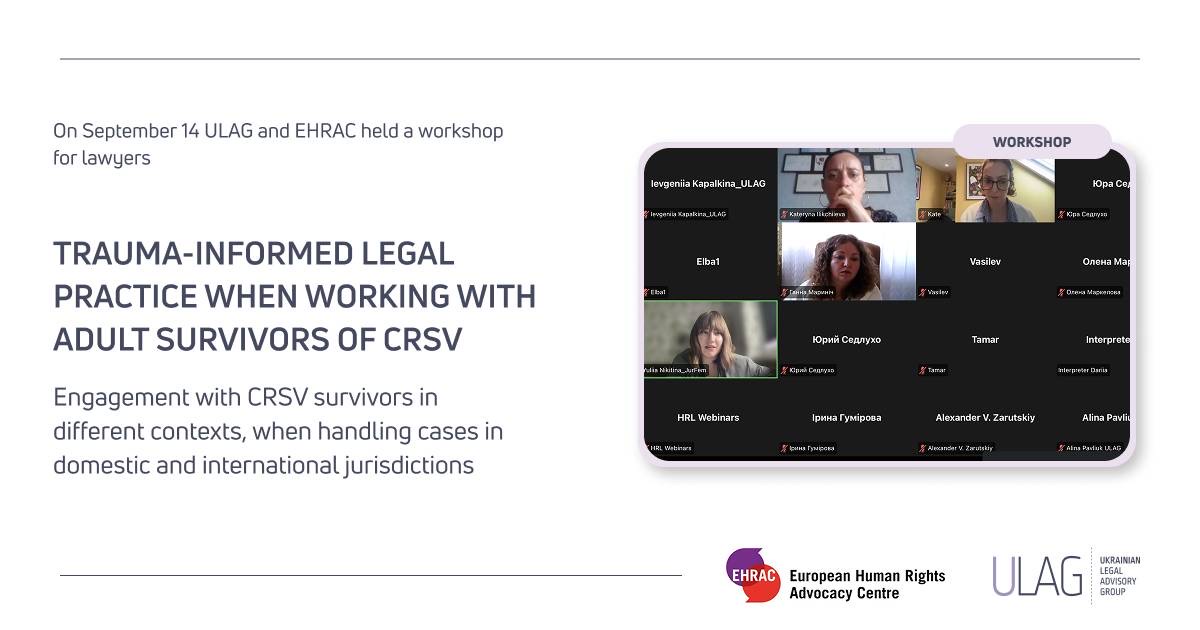
Workshop for lawyers: trauma-informed legal practice when working with adult survivors of CRSV
On September 14, the European Human Rights Advocacy Centre (EHRAC) and ULAG held a joint workshop for lawyers working with adult survivors of conflict-related sexual violence (CRSV).
Articles
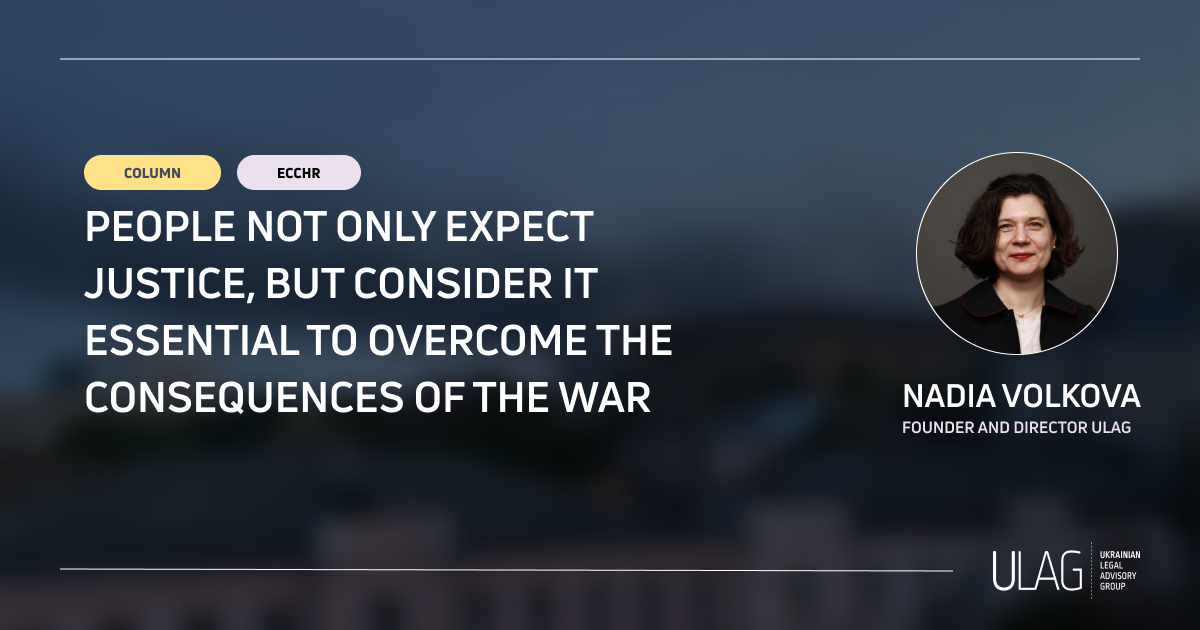
The voices of Ukrainians must be heard
The letter was published in May 2026 on the website of our long-time partner ECCHR, in the Living Open Archive section. It is a collection of personal impressions and stories from ECCHR staff and partners about the projects they work on, the injustices and contexts they experience, and the world they envision. They share intimate reflections in letters to their colleagues, allies, and the world.