The worst form of injustice is pretended justice (Plato).
How do we make sure justice for Ukraine is not a pretended one? So that we don`t end up in a situation where:
 Victims and survivors are offered a plethora of remedies, yet little to none of those pathways to justice will actually result in their rights meaningfully restored and genuine justice delivered.
The law enforcement and justice system representatives are provided with all kinds of assistance, yet they still do not have the tools and resources to manage the workload of enormous scale and magnitude.
Communities affected by conflicts and suffering from atrocities around the world expect the justice response in Ukraine to strengthen the international justice system as a whole. But it is not robust and strategic enough to develop justice architecture capable of responding to their needs.
International partners devote significant resources and put a lot of effort but end up with very disproportionate results-effect ratio.
We believe that the first step is to assess strengths, weaknesses, gaps and needs of the system.
In this report, we offer a set of recommendations based on the analysis of the needs and challenges of the justice system in Ukraine. We summarise them in the slides below:


The Needs Assessment is an exercise that allows to do exactly that. We hope that it would help to redirect discussions about justice options for Ukraine to make the response more strategic, relevant, and as a result, more impactful.
 Read the full report in English
Read next
News
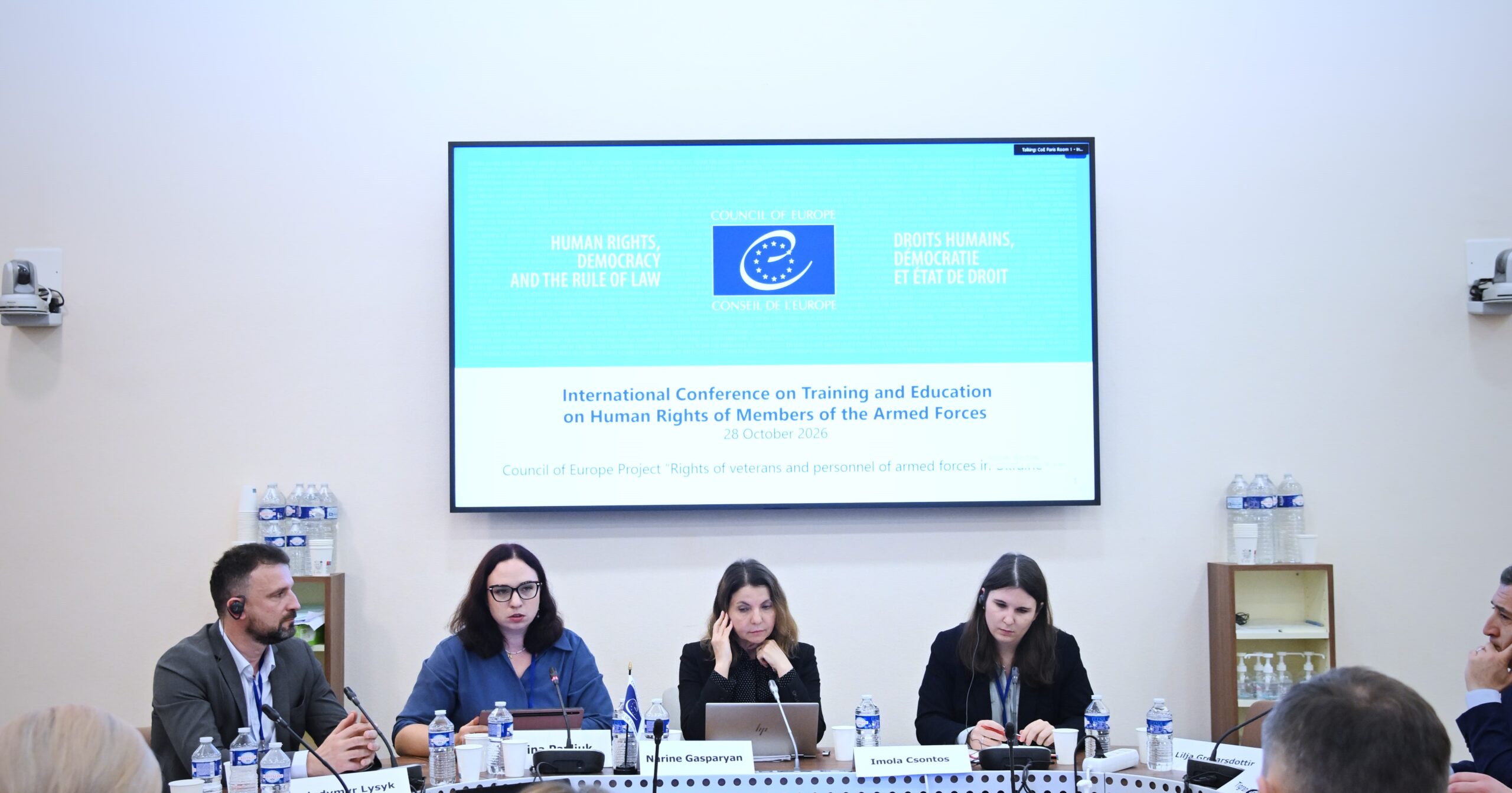
Protecting the Rights of Prisoners of War and Monitoring Human Rights in the Armed Forces: ULAG at a Council of Europe Conference
Alina Pavliuk, ULAG Analyst and Legal Coordinator, spoke at the International Conference on Training and Education on Human Rights of Members of the Armed Conflict. The event was organised by the Council of Europe in Paris on 28 of October.
News
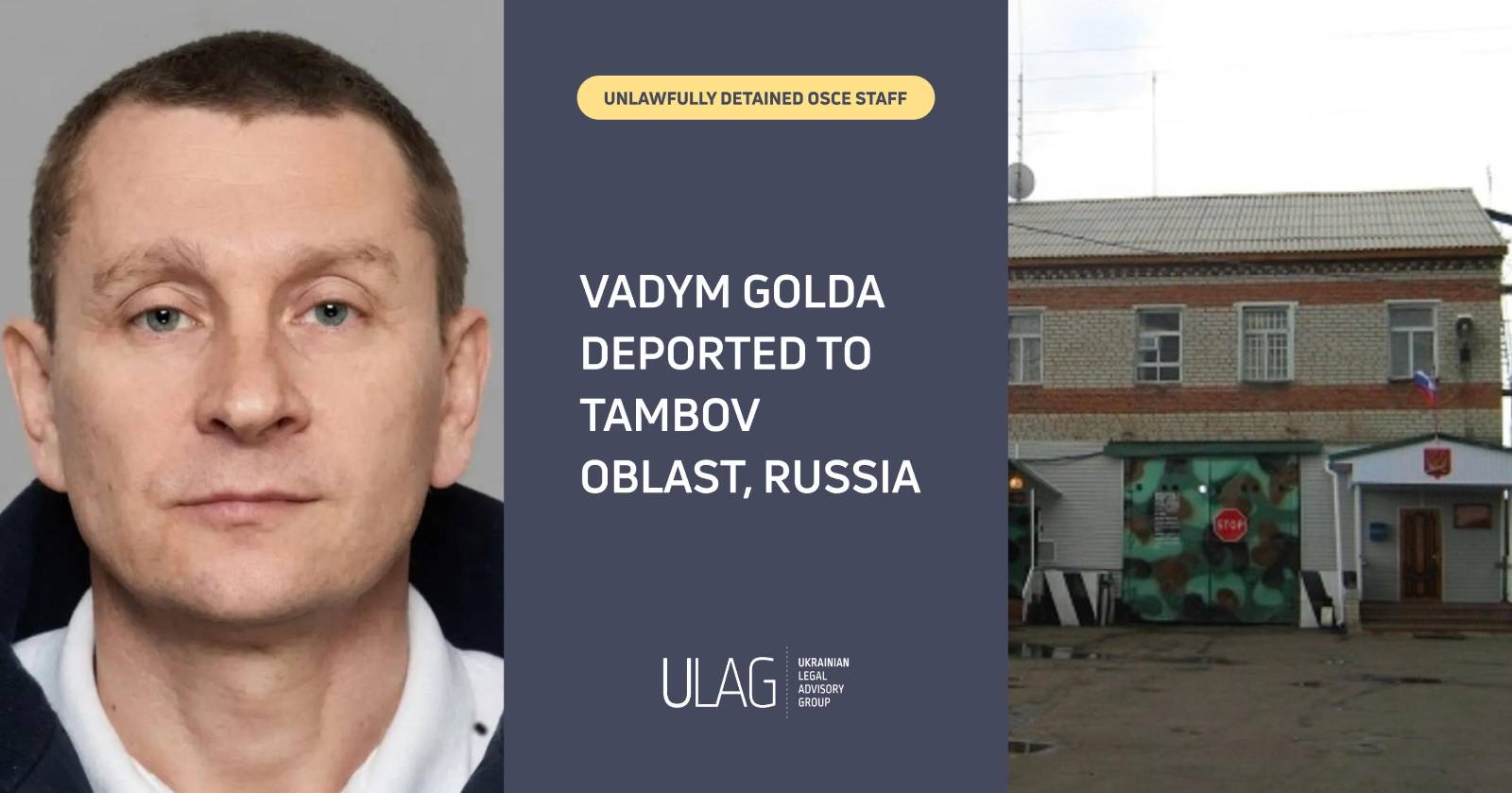
OSCE SMM staff member Vadym Golda deported to Russia
Vadym Golda’s family has reported that he was transferred from temporarily occupied Donetsk region to Medical Correctional Institution No. 7 of the Russian Federal Penitentiary Service in Tambov Oblast. Reports of his likely transfer had emerged earlier: before the transfer, Vadym was last in contact on 15 October 2026 and expected to be moved on […]
News
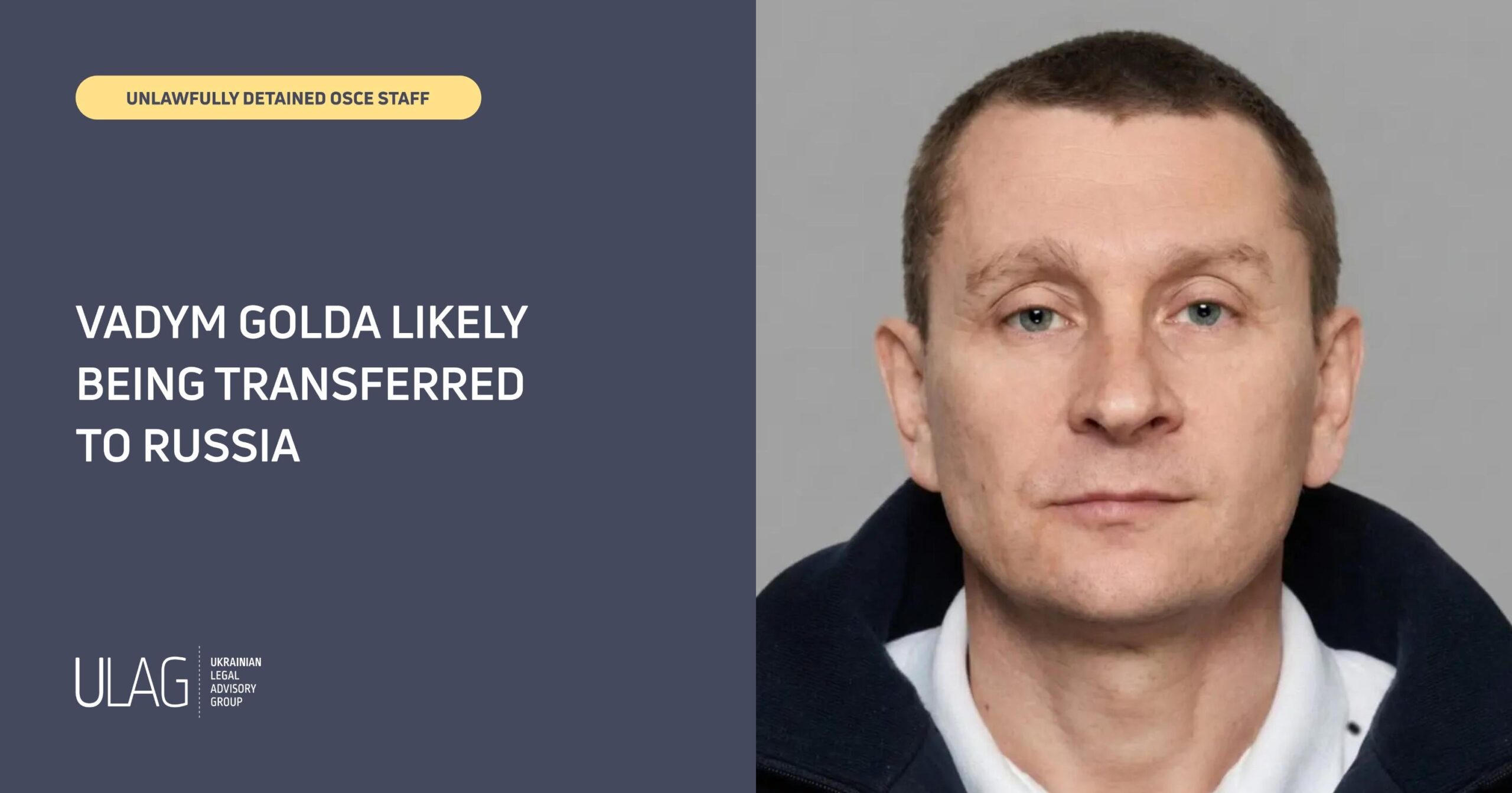
Vadym Golda, OSCE SMM staff member, likely being transferred from temporarily occupied Donetsk Oblast to Russia
According to his family, Vadym, who had been held in temporarily occupied Donetsk region, was last in touch with them on 15 October 2026. He had previously told them that for several months there had been rumours of an “evacuation” of convicted prisoners to Siberia, and that since August 2026 people had been regularly taken […]