Since the Coalition for the International Criminal Court issued a statement calling for Vladimir Putin not to be welcomed in Tajikistan, the visit has ultimately taken place. This is yet another case of a State Party to the Rome Statute violating its obligations to cooperate with the ICC.
Despite that, the statement – and Nadia Volkova’s message within it – remains as relevant as ever: those subject to International Criminal Court’s arrest warrants must be arrested, not allowed to move freely around the globe, especially by States Parties to the Rome Statute.
For victims of grave crimes committed in the course of Russia’s war against Ukraine, the International Criminal Court remains a key mechanism for ensuring accountability of the Russian leadership. The ICC arrest warrant — a compelling recognition that Vladimir Putin may be responsible for the unlawful deportation of Ukrainian children — has so far largely prevented him from freely traveling the world. For victims and survivors, it maintains a vital hope for justice, serving as a reminder that, while he may not yet be arrested, the perpetrator cannot enjoy impunity
Welcoming Putin to Tajikistan would mean that a State Party to the Rome Statute is undermining the very Court it has pledged to uphold. It would also betray those who have suffered and continue to suffer from atrocities while indulging a suspected war criminal. States must arrest, not welcome perpetrators of grave international crimes.
In light of the upcoming Assembly of States Parties (ASP’24) in December 2025, it is now up to all ICC States Parties, as well as the Court itself, to address what is increasingly appearing to be a systemic issue – with Mongolia last year and now Tajikistan.
Non-cooperation undermines the Court’s legitimacy and betrays the hope for justice of those who suffered the greatest harm.
Read next
Articles
The voices of Ukrainians must be heard
The letter was published in May 2026 on the website of our long-time partner ECCHR, in the Living Open Archive section. It is a collection of personal impressions and stories from ECCHR staff and partners about the projects they work on, the injustices and contexts they experience, and the world they envision. They share intimate reflections in letters to their colleagues, allies, and the world.
Articles
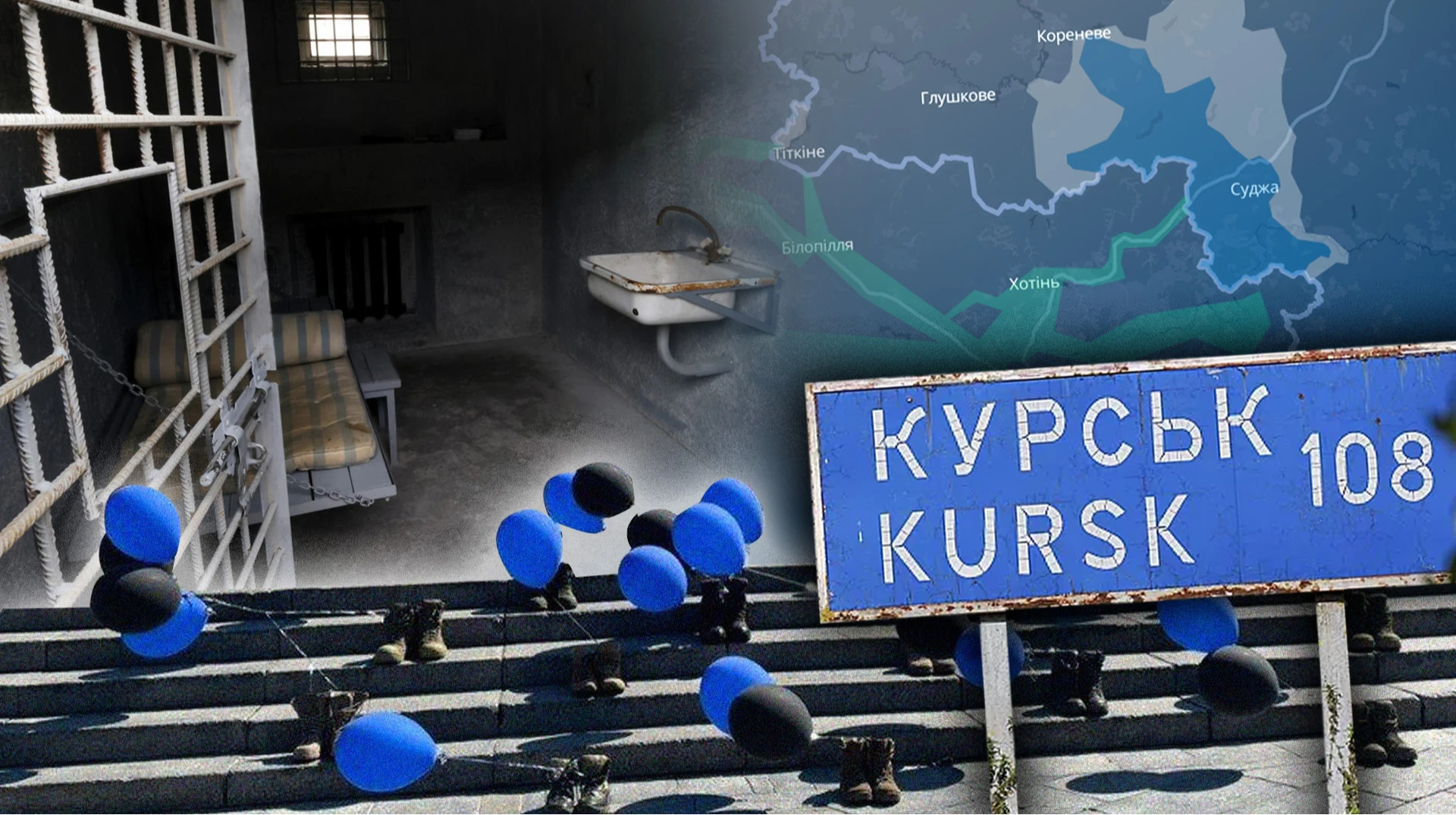
Prisoners of War Tried as Terrorists: What Is Happening to Ukrainian Soldiers Captured in Russia’s Kursk Region
The number of Ukrainians captured by Russian forces in the Kursk region remains hidden by the fog of war and defenders may be considered missing in action for months before suddenly appearing in photographs posted on Telegram channels alongside other prisoners of war. Or, conversely, families may search those same channels every day for any trace of their loved one, only to one day receive the devastating news of their death.
Articles
ECtHR Case Law on the Consequences of the Armed Conflict in Ukraine: The Detention of Ukrainian Troops at the Chornobyl Nuclear Power Plant
At the start of Russia’s full-scale invasion, one of the primary objectives of the Russian armed forces was to seize control of the Chornobyl Nuclear Power Plant (ChNPP). In February 2022, Russian troops occupied the facility and detained everyone there, including both civilian personnel responsible for maintaining the operation of the plant and members of the National Guard of Ukraine (NGU), who were responsible for the facility’s security.