Despite the war, trauma and fear, survivors continue to fight for justice and have the courage to seek help. This day is also an opportunity to reflect on how we as a society, a system and a professional community respond to this crime. From the experience of domestic cases, we see how much still needs to be changed in order for justice in Ukraine to truly be victim-centered.
Investigating conflict-related sexual violence (CRSV) is fraught with numerous difficulties. When representing survivors in proceedings, we encounter inconsistent anonymisation policies, stigmatisation, and duplicative procedures, all of which lead to retraumatisation. Although these problems are common to various serious crimes, in the case of CRSV they have a particularly devastating impact.
When dealing with such cases, it is important not only to respond to individual incidents, but also to change approaches – in legislation, processes and specialist training. Many of these issues are universal to justice processes over grave crimes in general, and so we must seek comprehensive and systematic responses to them. This is especially true given that survivors of CRSV often have also been subjected to other grave crimes. Platforms and initiatives on CRSV have the potential to facilitate such transformations.
At the same time, better standards can be implemented in practice today. To contribute to this, we have compiled a set of practical tools: international documents and reports, memos, and advice for specialists in a handy ‘pocket guide’.
These are materials that we have developed together with Women’s Initiatives for Gender Justice with the support of the Canadian Embassy, as well as sources of international law, as well as manuals and guides created by other organisations, etc.
Read next
Articles
The voices of Ukrainians must be heard
The letter was published in May 2026 on the website of our long-time partner ECCHR, in the Living Open Archive section. It is a collection of personal impressions and stories from ECCHR staff and partners about the projects they work on, the injustices and contexts they experience, and the world they envision. They share intimate reflections in letters to their colleagues, allies, and the world.
Articles
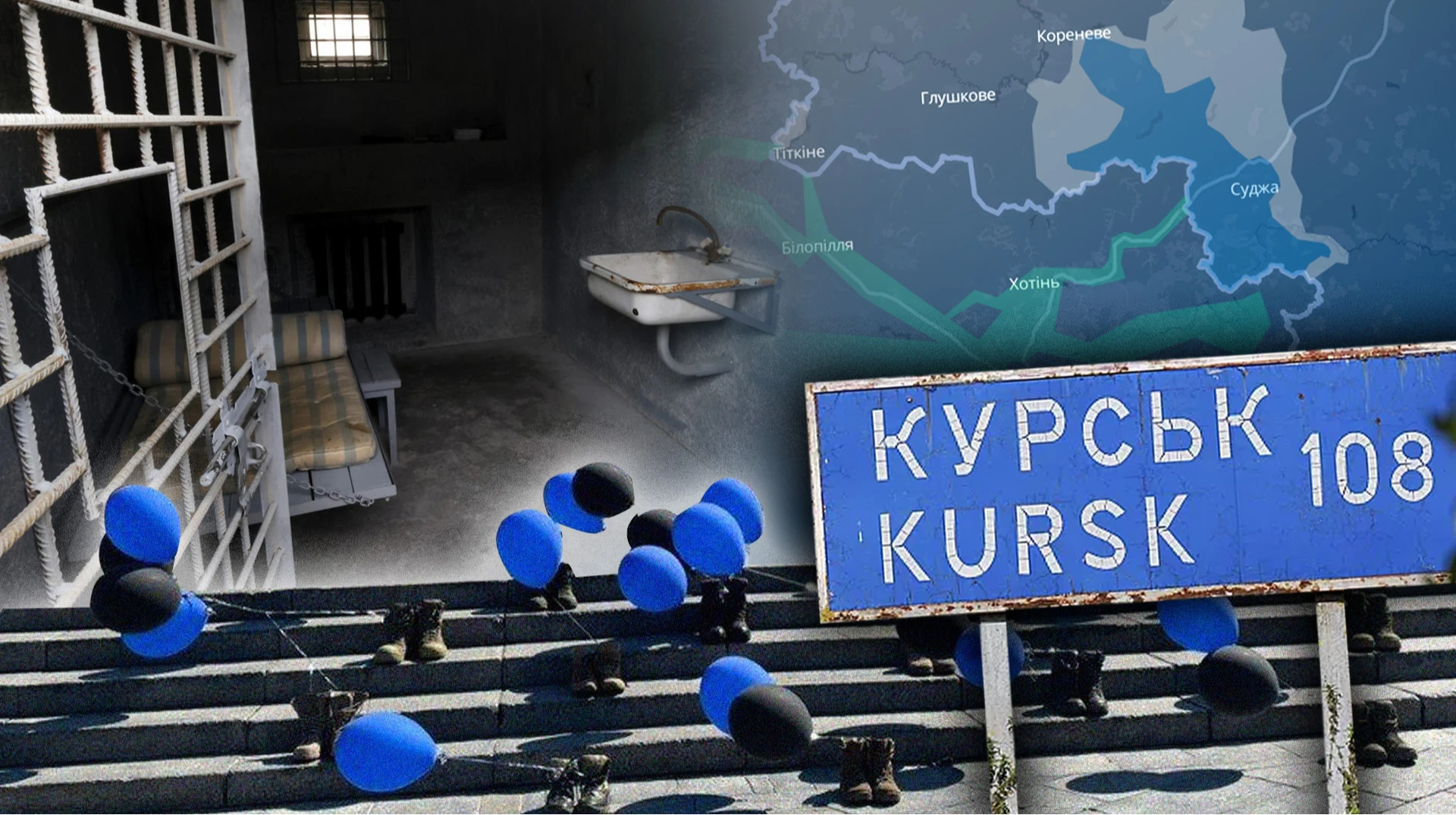
Prisoners of War Tried as Terrorists: What Is Happening to Ukrainian Soldiers Captured in Russia’s Kursk Region
The number of Ukrainians captured by Russian forces in the Kursk region remains hidden by the fog of war and defenders may be considered missing in action for months before suddenly appearing in photographs posted on Telegram channels alongside other prisoners of war. Or, conversely, families may search those same channels every day for any trace of their loved one, only to one day receive the devastating news of their death.
Articles
ECtHR Case Law on the Consequences of the Armed Conflict in Ukraine: The Detention of Ukrainian Troops at the Chornobyl Nuclear Power Plant
At the start of Russia’s full-scale invasion, one of the primary objectives of the Russian armed forces was to seize control of the Chornobyl Nuclear Power Plant (ChNPP). In February 2022, Russian troops occupied the facility and detained everyone there, including both civilian personnel responsible for maintaining the operation of the plant and members of the National Guard of Ukraine (NGU), who were responsible for the facility’s security.