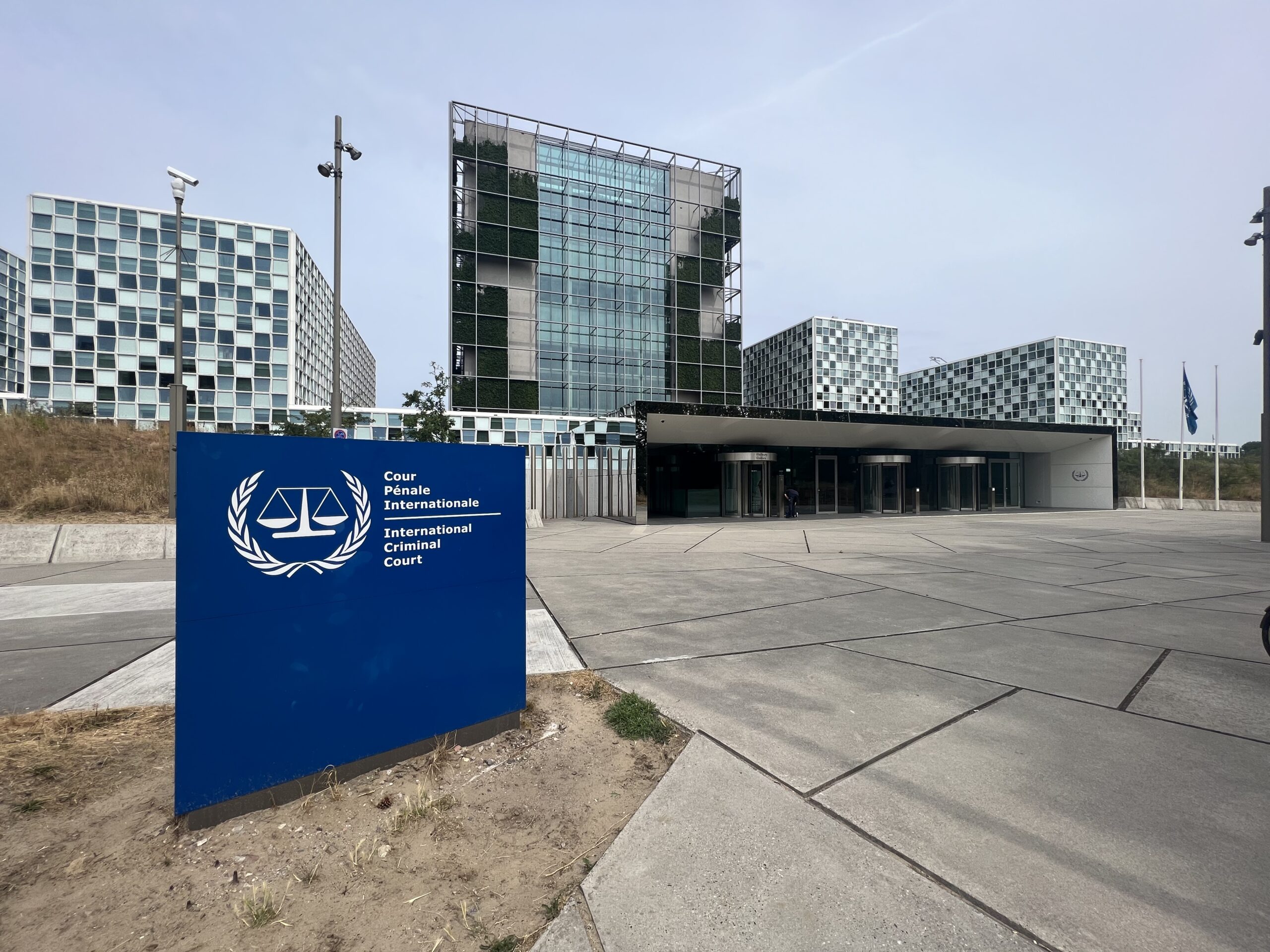
News
10 Jan 2025
1 min read

US sanctions against the ICC jeopardise international justice for victims around the world, including Ukraine

On 21 November 2024, the Pre-Trial Chamber of the International Criminal Court issued arrest warrants for Benjamin Netanyahu, Yoav Gallant, and Mohammed Deif

The prospect of this decision has long been accompanied by threats to introduce sanctions against the Court by the United States. On 9 January 2025, the draft law H.R.23 – Illegitimate Court Counteraction Act was passed in the US House of Representatives. Its consideration in the Senate is expected in the coming days.

Arrest warrants are a natural stage of the international justice administration for the most serious international crimes, which must be comprehensively investigated and prosecuted. Influencing these processes through political instruments is unacceptable. 

The imposition of sanctions, along with ongoing threats and regular attacks by various actors and states, will significantly undermine the work of the Court, including in relation to its investigation in Ukraine. It will also jeopardise the activities of organisations that support victims of the most serious crimes in Ukraine and interact with the ICC in any capacity. In this regard:

  1. We call on the US Senate and the administration of President-elect Trump not to adopt the Illegitimate Court Counteraction Act and not to impose sanctions against the ICC

    We fully echo the Open Letter of the Washington Working Group on the ICC, which was co-signed by 75+ civil society organisations from around the world.

    We would like to emphasise that the imposition of sanctions would nullify the achievements made in the framework of the unprecedented cooperation of the United States with the Court in the Ukraine investigation and risk depriving victims of international crimes of the hope of meaningful justice for the most serious perpetrators. 
  2. We call on Ukraine, as a state party to the Rome Statute, to proactively support and contribute to the strengthening of the ICC with respective actions. We believe that even in a current complex political context, representatives of the government and parliament have various tools and channels of interaction with partners that will help prevent and mitigate the risks faced by the Court.

    This is not only an obligation under the Rome Statute, but is also clearly in the interests of the state, whose society (according to polls of the population and acting military personnel) and authorities place great hopes in the Courts as one of the important mechanisms for ensuring justice for grave crimes.
    • We call on the members of the Verkhovna Rada of Ukraine to appeal to the newly elected representatives of the US Congress, many of whom have consistently supported Ukraine in the fight against impunity for the most serious crimes committed in the context of Russia’s armed aggression.
    • As a state party to the Rome Statute, Ukraine can also actively engage in efforts to develop policies and support systems within the ICC, together with representatives of the Court and other states. Civil society organisations are ready to facilitate such cooperation and contribute to the development of appropriate solutions.
    • We call on the Ukrainian authorities to engage in active communication with the Court, member states and other relevant stakeholders in order to be properly informed about the possible consequences of the imposition of sanctions both for the ICC in general and for its work on Ukraine in particular.
  3. We call on other States Parties to the Rome Statute to express their unconditional support for the ICC, to make efforts to prevent the imposition of sanctions, and to ensure sustainable funding and administrative capacity of the Court to reduce the potentially devastating consequences of possible sanctions. Operational stability and institutional resilience to various types of threats are key to the ICC’s independence.

Signatories:

Ukrainian Legal Adviory Group

Center for Civil Liberties

Read next
The voices of Ukrainians must be heard

Articles

The voices of Ukrainians must be heard

The letter was published in May 2026 on the website of our long-time partner ECCHR, in the Living Open Archive section. It is a collection of personal impressions and stories from ECCHR staff and partners about the projects they work on, the injustices and contexts they experience, and the world they envision. They share intimate reflections in letters to their colleagues, allies, and the world.
12 Aug 2026
9 mins read
Prisoners of War Tried as Terrorists: What Is Happening to Ukrainian Soldiers Captured in Russia’s Kursk Region

Articles

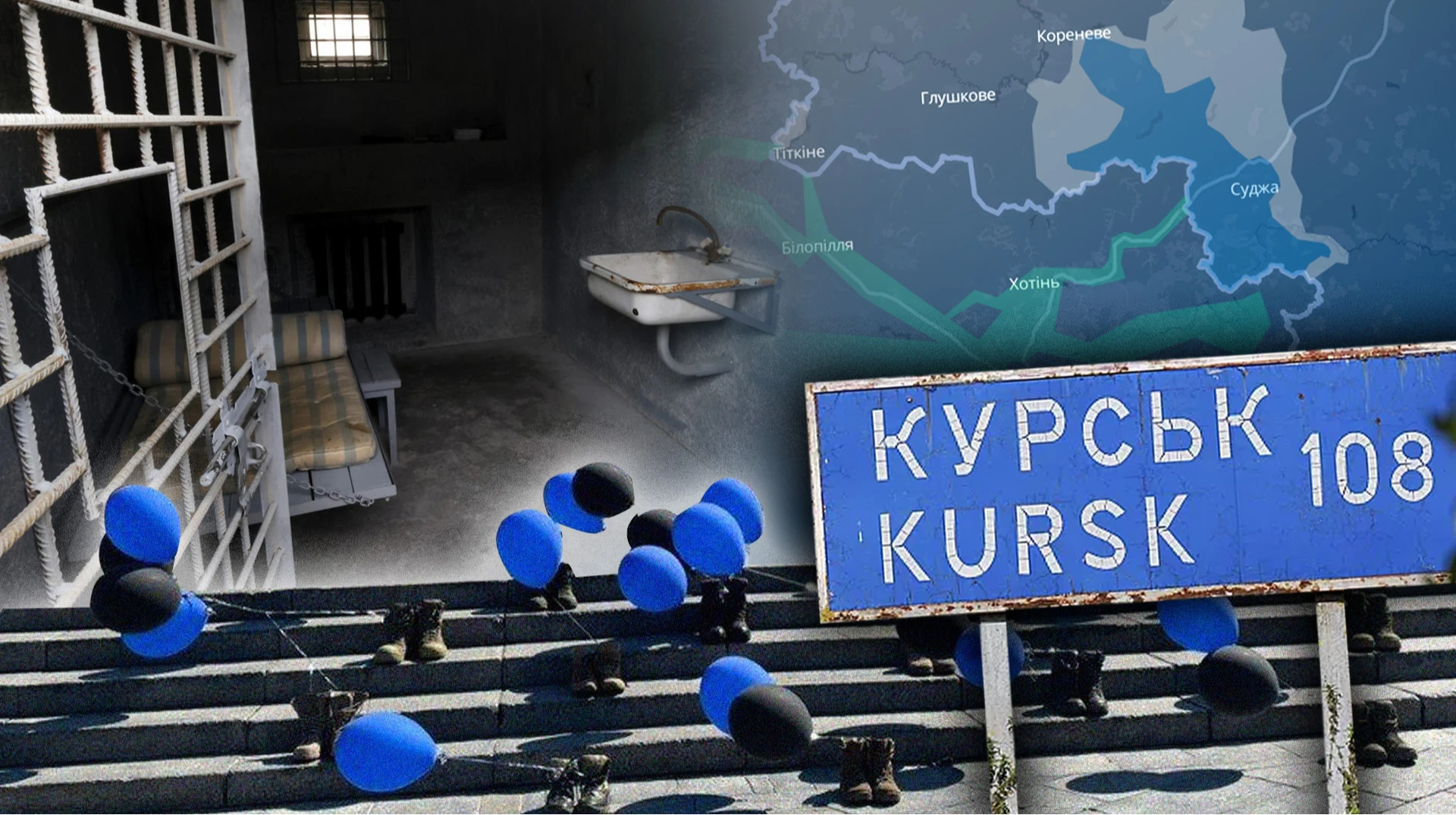
Prisoners of War Tried as Terrorists: What Is Happening to Ukrainian Soldiers Captured in Russia’s Kursk Region

The number of Ukrainians captured by Russian forces in the Kursk region remains hidden by the fog of war and defenders may be considered missing in action for months before suddenly appearing in photographs posted on Telegram channels alongside other prisoners of war. Or, conversely, families may search those same channels every day for any trace of their loved one, only to one day receive the devastating news of their death.
7 Aug 2026
14 mins read
ECtHR Case Law on the Consequences of the Armed Conflict in Ukraine: The Detention of Ukrainian Troops at the Chornobyl Nuclear Power Plant

Articles

ECtHR Case Law on the Consequences of the Armed Conflict in Ukraine: The Detention of Ukrainian Troops at the Chornobyl Nuclear Power Plant

At the start of Russia’s full-scale invasion, one of the primary objectives of the Russian armed forces was to seize control of the Chornobyl Nuclear Power Plant (ChNPP). In February 2022, Russian troops occupied the facility and detained everyone there, including both civilian personnel responsible for maintaining the operation of the plant and members of the National Guard of Ukraine (NGU), who were responsible for the facility’s security.
6 Aug 2026
8 mins read