The worst form of injustice is pretended justice (Plato).
How do we make sure justice for Ukraine is not a pretended one? So that we don`t end up in a situation where:
 Victims and survivors are offered a plethora of remedies, yet little to none of those pathways to justice will actually result in their rights meaningfully restored and genuine justice delivered.
The law enforcement and justice system representatives are provided with all kinds of assistance, yet they still do not have the tools and resources to manage the workload of enormous scale and magnitude.
Communities affected by conflicts and suffering from atrocities around the world expect the justice response in Ukraine to strengthen the international justice system as a whole. But it is not robust and strategic enough to develop justice architecture capable of responding to their needs.
International partners devote significant resources and put a lot of effort but end up with very disproportionate results-effect ratio.
We believe that the first step is to assess strengths, weaknesses, gaps and needs of the system.
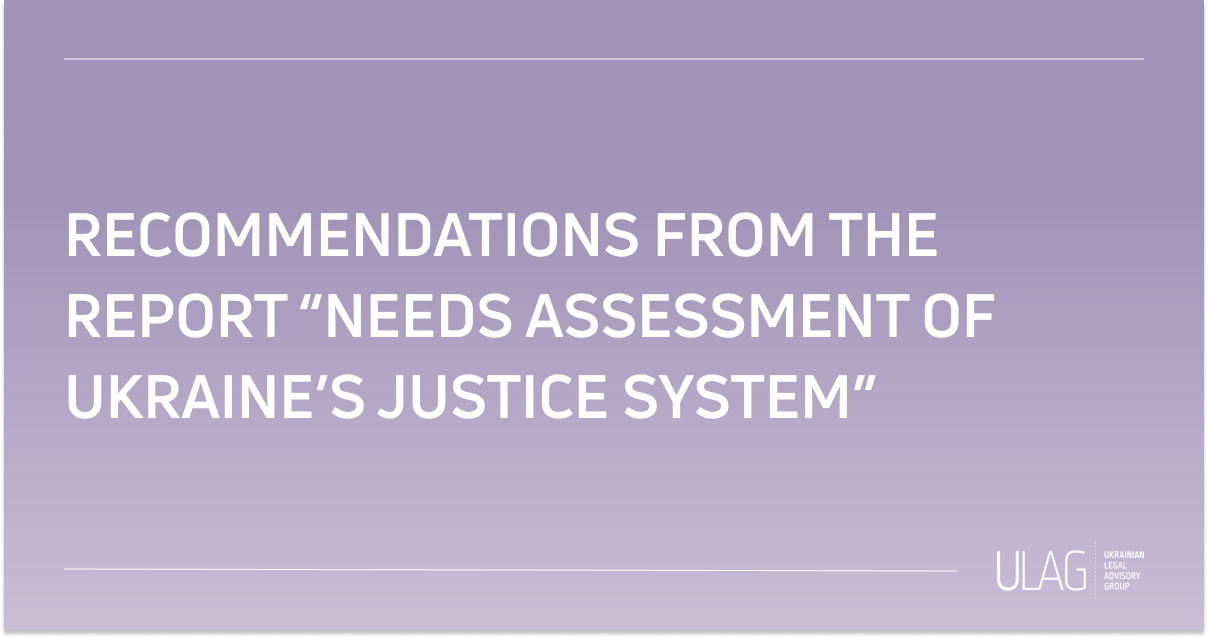
In this report, we offer a set of recommendations based on the analysis of the needs and challenges of the justice system in Ukraine. We summarise them in the slides below:


The Needs Assessment is an exercise that allows to do exactly that. We hope that it would help to redirect discussions about justice options for Ukraine to make the response more strategic, relevant, and as a result, more impactful.
 Read the full report in English
Read next
Articles
The voices of Ukrainians must be heard
The letter was published in May 2026 on the website of our long-time partner ECCHR, in the Living Open Archive section. It is a collection of personal impressions and stories from ECCHR staff and partners about the projects they work on, the injustices and contexts they experience, and the world they envision. They share intimate reflections in letters to their colleagues, allies, and the world.
Articles
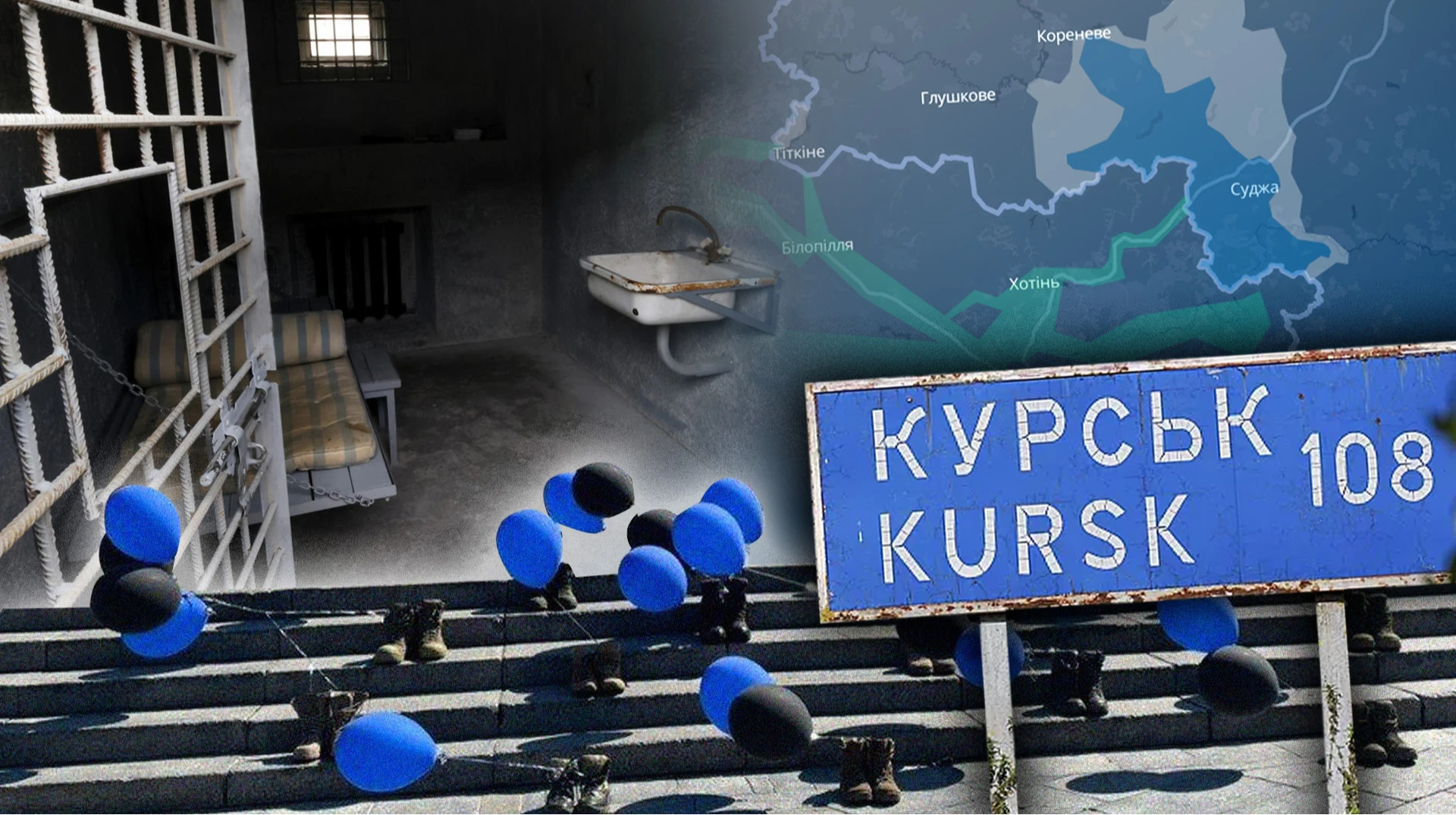
Prisoners of War Tried as Terrorists: What Is Happening to Ukrainian Soldiers Captured in Russia’s Kursk Region
The number of Ukrainians captured by Russian forces in the Kursk region remains hidden by the fog of war and defenders may be considered missing in action for months before suddenly appearing in photographs posted on Telegram channels alongside other prisoners of war. Or, conversely, families may search those same channels every day for any trace of their loved one, only to one day receive the devastating news of their death.
Articles
ECtHR Case Law on the Consequences of the Armed Conflict in Ukraine: The Detention of Ukrainian Troops at the Chornobyl Nuclear Power Plant
At the start of Russia’s full-scale invasion, one of the primary objectives of the Russian armed forces was to seize control of the Chornobyl Nuclear Power Plant (ChNPP). In February 2022, Russian troops occupied the facility and detained everyone there, including both civilian personnel responsible for maintaining the operation of the plant and members of the National Guard of Ukraine (NGU), who were responsible for the facility’s security.