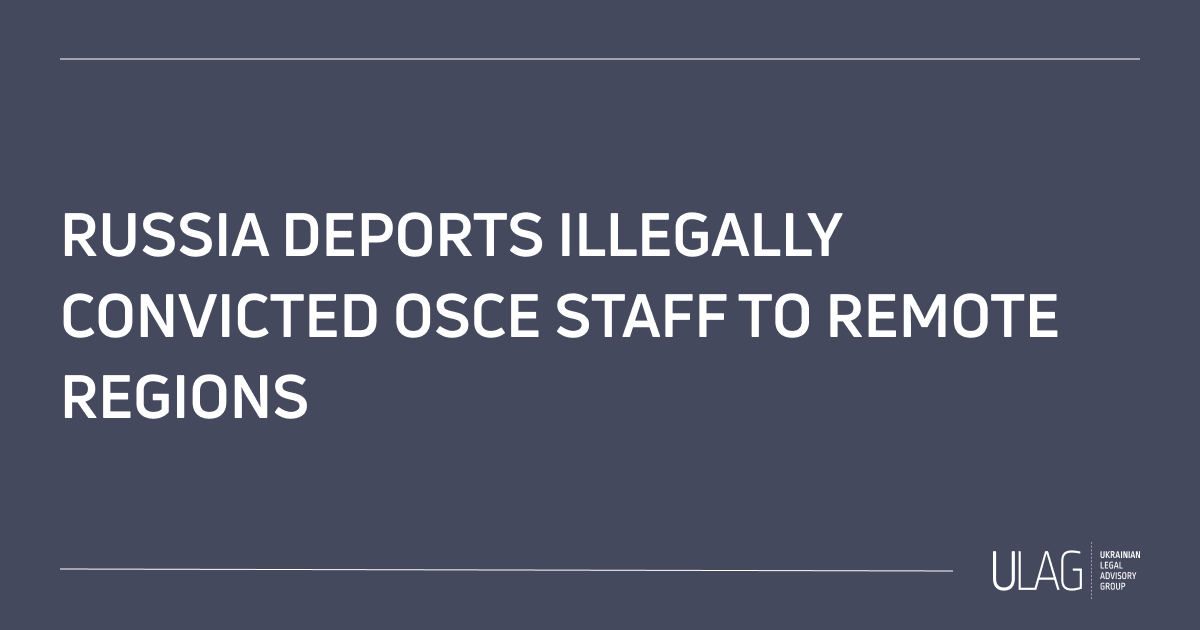
President Macron announced that the foreign ministers of Ukraine’s allies will devise a solution for monitoring the ceasefire within the next three weeks. Among the options being considered are an OSCE mission, a UN-mandated mission, or an ad hoc solution.
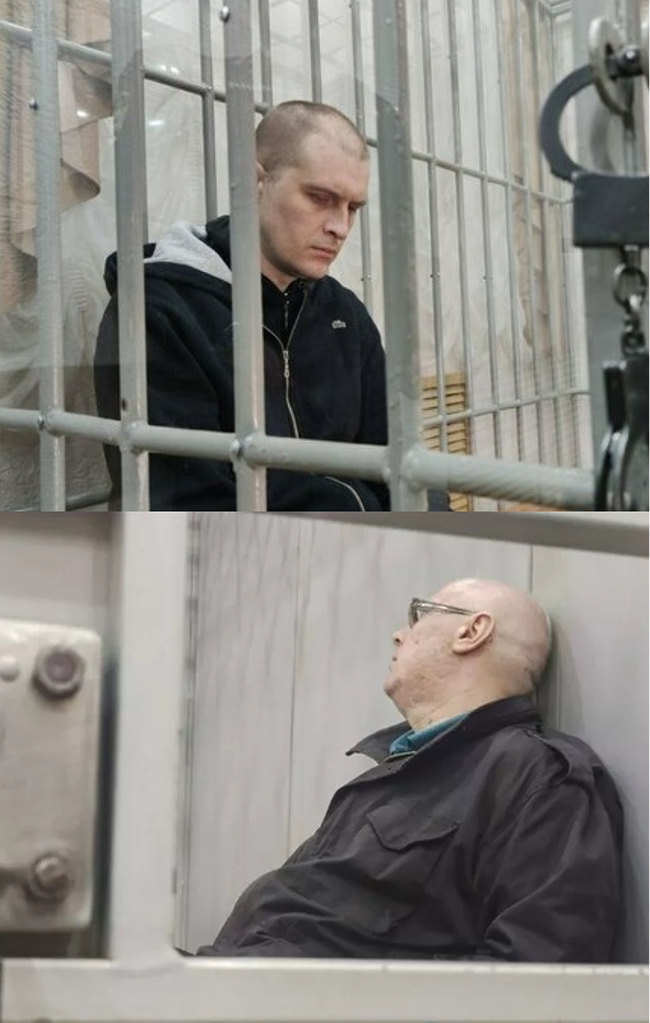
This discussion is taking place while OSCE staff members Dmytro Shabanov and Maksym Petrov remain in Russian captivity for more than 35 months, facing criminal prosecution. Detained in April 2022 despite their diplomatic immunity, they were sentenced to 13 years in prison on fabricated charges of “treason against the LPR.”
According to the latest information, Dmytro Shabanov has been transferred from Krasnolutsk Correctional Colony in Luhansk region to an unknown location. Maksym Petrov remains at risk of deportation. This information was reported by our lawyer, Ievgeniia Kapalkina, who represents the families of Dmytro and Maksym.
Their deportation to remote high-security colonies poses a critical threat to their lives. In such places, prisoners often lose all contact with the outside world, effectively “disappearing” within Russia’s penal system. Given their existing health issues, the lack of proper medical care in remote regions could prove fatal. Their families will have no means to visit them due to the distance or provide them with essential medication and additional food supplies.
Dmytro and Maksym’s families fear for their safety, knowing that such locations are associated with a high risk of violence, as well as threats to their lives and health. This fear is compounded by their inability to influence the situation or ensure their loved ones’ protection. The uncertainty of what will happen next only heightens their emotional distress. The families are exhausted by unfulfilled promises and the international community’s inability to secure the release of OSCE officials from Russian captivity.
As long as Dmytro and Maksym remain imprisoned, any discussion of viable peacekeeping initiatives or monitoring missions in Ukraine is meaningless. Any such mechanism must guarantee the absolute safety of its personnel.
This case once again highlights Russia’s systematic policy of unlawfully detaining civilians. Ukrainians in Russian captivity face systemic human rights violations, including physical and psychological abuse, brutal isolation, deprivation of adequate food, clean water, and medical care. Every day of inaction poses a direct threat to the lives of innocent people.
We call on the international community to take immediate action to secure the release of Dmytro Shabanov, Maksym Petrov and all illegally detained Ukrainian civilians, and to ensure that those responsible for these crimes are brought to justice.
Read next
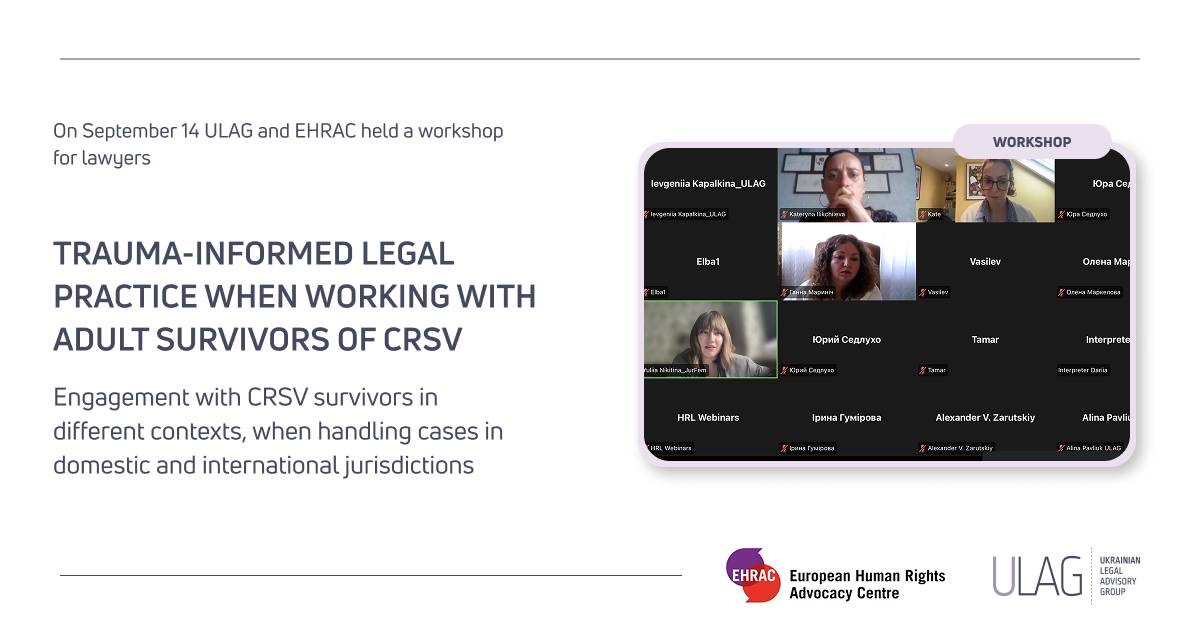
Workshop for lawyers: trauma-informed legal practice when working with adult survivors of CRSV
On September 14, the European Human Rights Advocacy Centre (EHRAC) and ULAG held a joint workshop for lawyers working with adult survivors of conflict-related sexual violence (CRSV).
Articles
The voices of Ukrainians must be heard
The letter was published in May 2026 on the website of our long-time partner ECCHR, in the Living Open Archive section. It is a collection of personal impressions and stories from ECCHR staff and partners about the projects they work on, the injustices and contexts they experience, and the world they envision. They share intimate reflections in letters to their colleagues, allies, and the world.
Articles
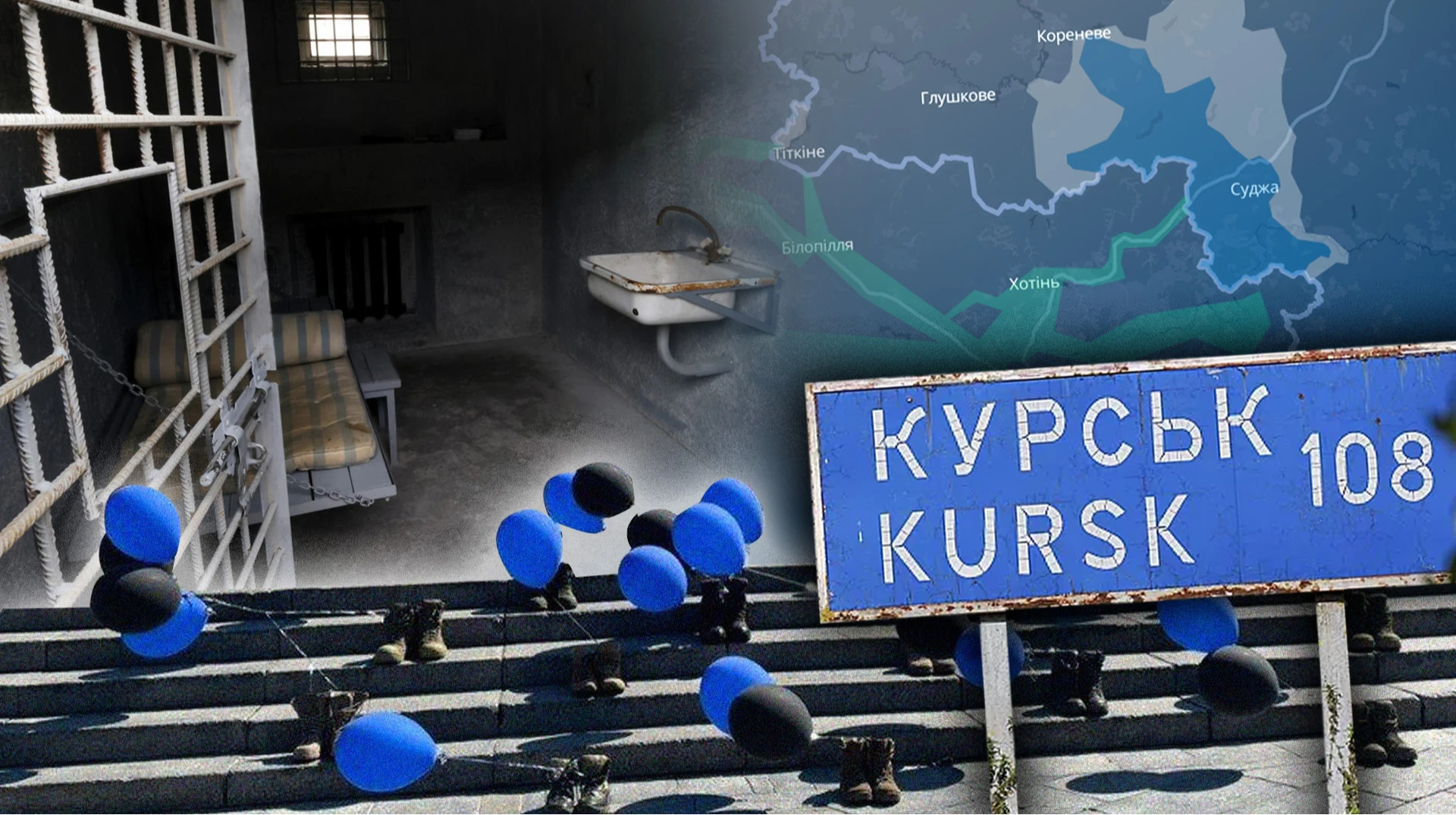
Prisoners of War Tried as Terrorists: What Is Happening to Ukrainian Soldiers Captured in Russia’s Kursk Region
The number of Ukrainians captured by Russian forces in the Kursk region remains hidden by the fog of war and defenders may be considered missing in action for months before suddenly appearing in photographs posted on Telegram channels alongside other prisoners of war. Or, conversely, families may search those same channels every day for any trace of their loved one, only to one day receive the devastating news of their death.