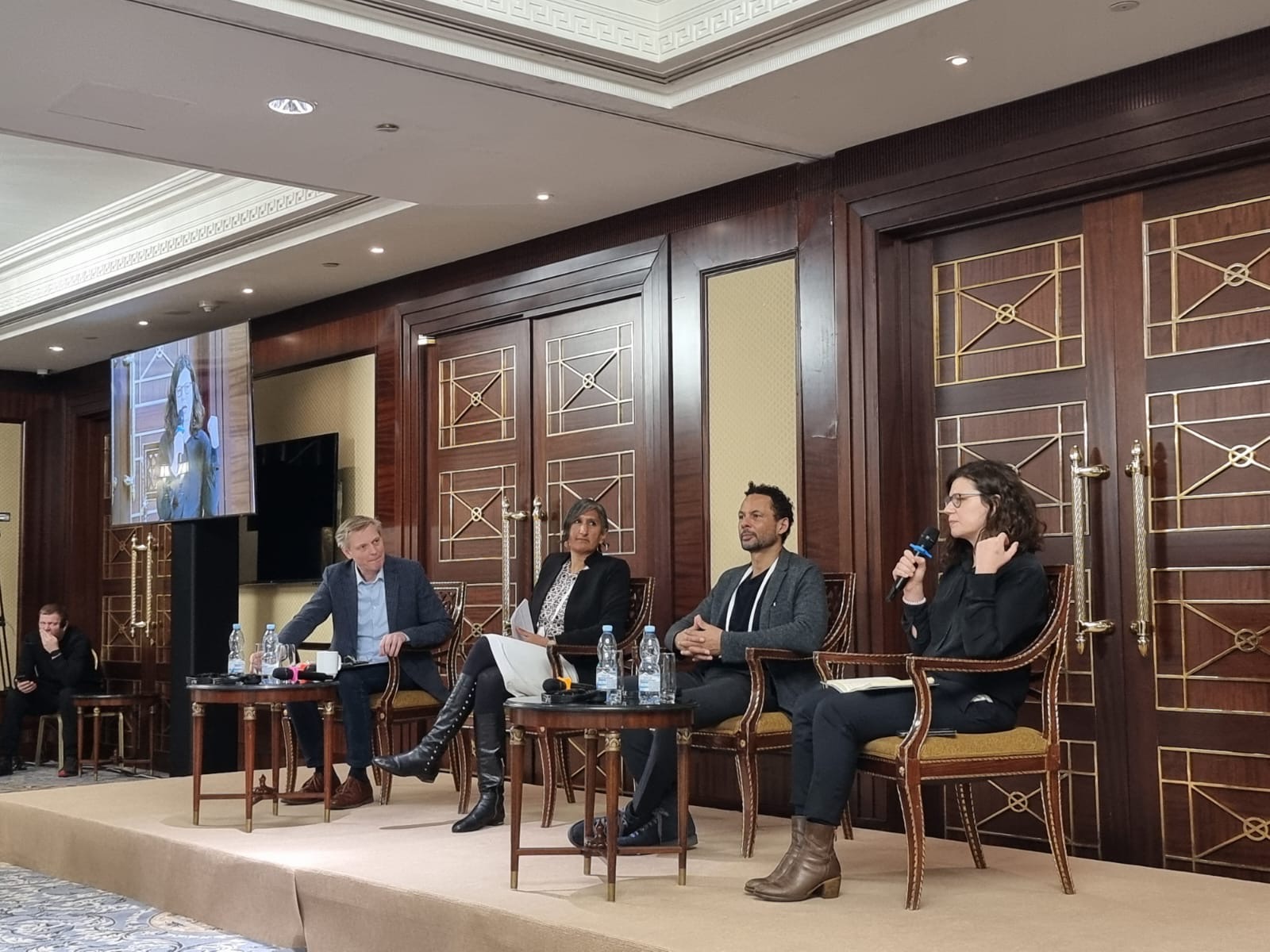
The question of expectations, especially in circumstances we all are operating in, is not an end goal, but probably a starting point. Once we know what kind of justice we as a population, as victims of this war, want, we can at least map out our path. It would help us to see which efforts are effective, and which are not. As well as why they are not effective, and what we can do about it.
That was one of Nadia Volkova`s remarks as a panelist at the “Allied for Accountability: Collaborative Strategies to Address Russia’s Crimes in Ukraine” seminar. ULAG participated in several activities of the event, organised by International Partnership for Human Rights, Truth Hounds and International Renaissance Foundation.
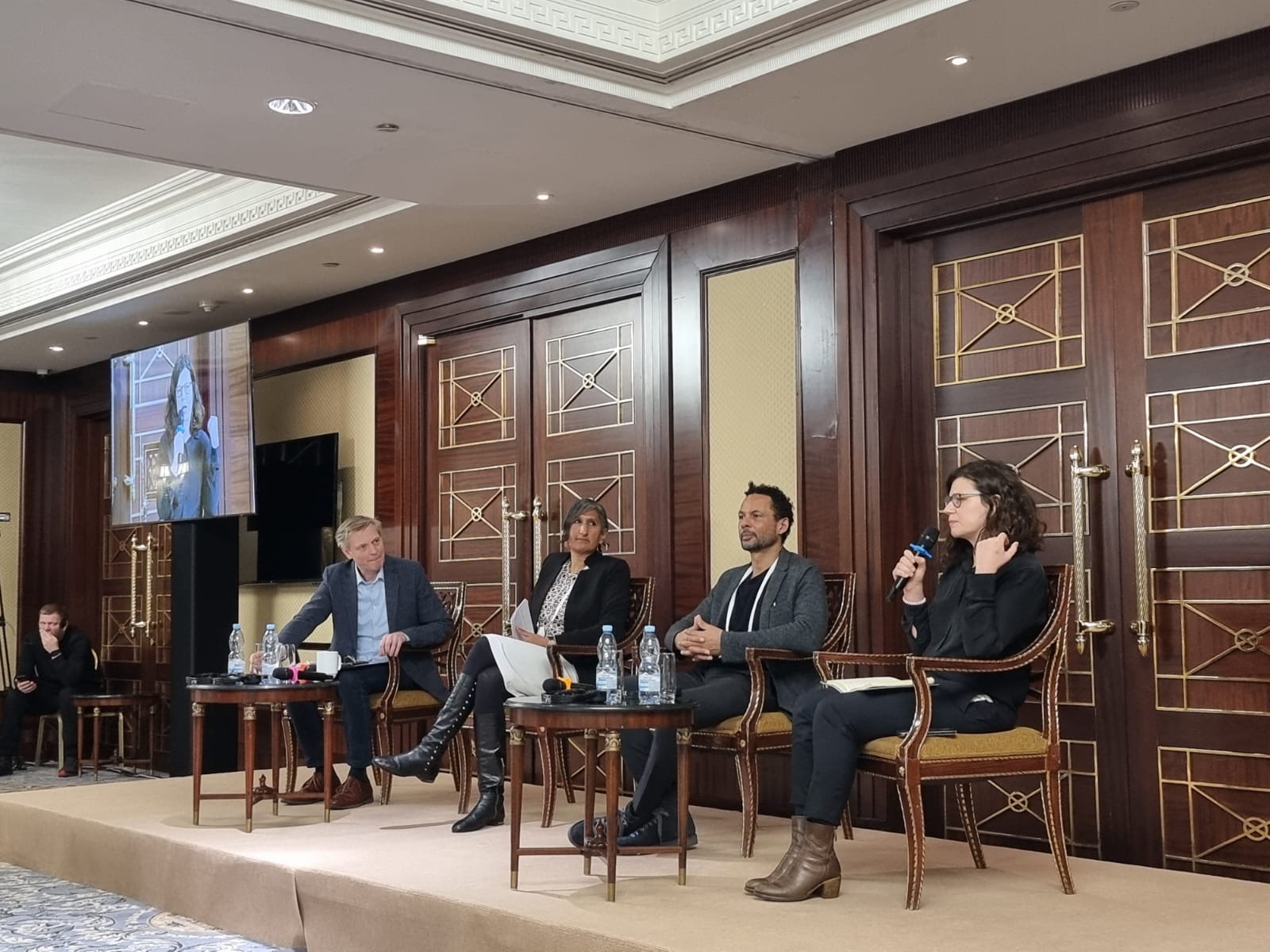
Nadia, Alina Pavliuk and Arie Mora were able to engage and share thoughts with colleagues from Ukrainian and international NGOs, institutions and justice system representatives.
Discussing the current state of justice architecture for Ukraine, Alina noted that it is important to note that each accountability pathway has its flaws and limitations. Two years after the full-scale invasion, we can already see some of its actual consequences in practice. Being aware of them is essential in order to address the weaknesses and fill existing gaps.
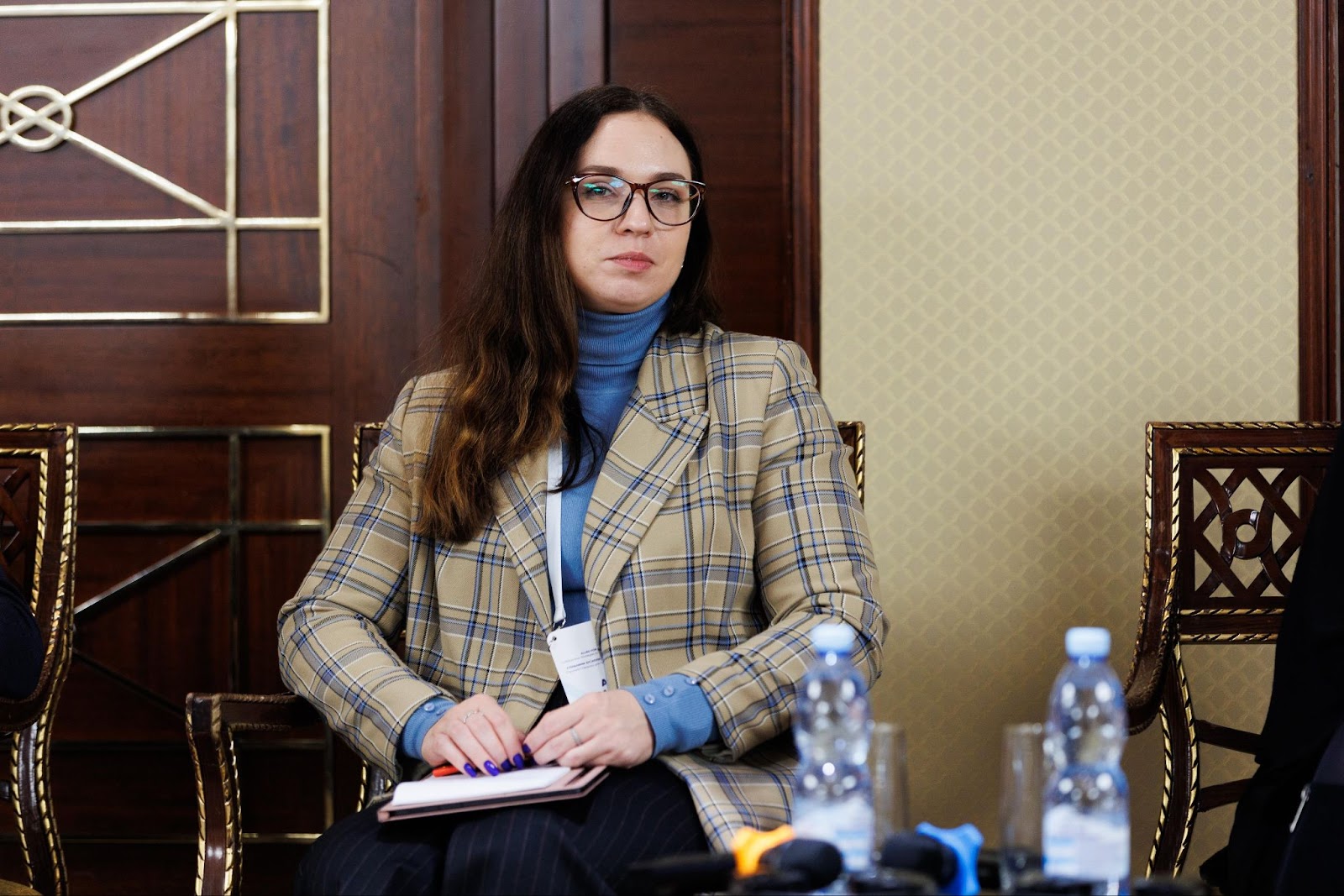
Currently, there`s still a lot left to be done to make all the assistance Ukraine`s receiving more effective. As Nadia said,
We do believe that the international community does want to help, but there’s a big discrepancy in terms of what we need, what we can afford, work with, and what’s being offered. It’s like a starving person is offered a leaf of lettuce and told: “there you go, enjoy! We hope you won’t die”.
Full-scale invasion has also boosted up documentation efforts primarily due to the unprecedented number and scale of violations committed in the course of the war. However as the conflict continues, challenges arise not only with gathering of information, but even more so, when it comes to managing potential evidence. Building and running storage and documentation preservation infrastructure in accordance with fundamental principles and with strategy of its further use for accountability or other purposes in mind is critically important.
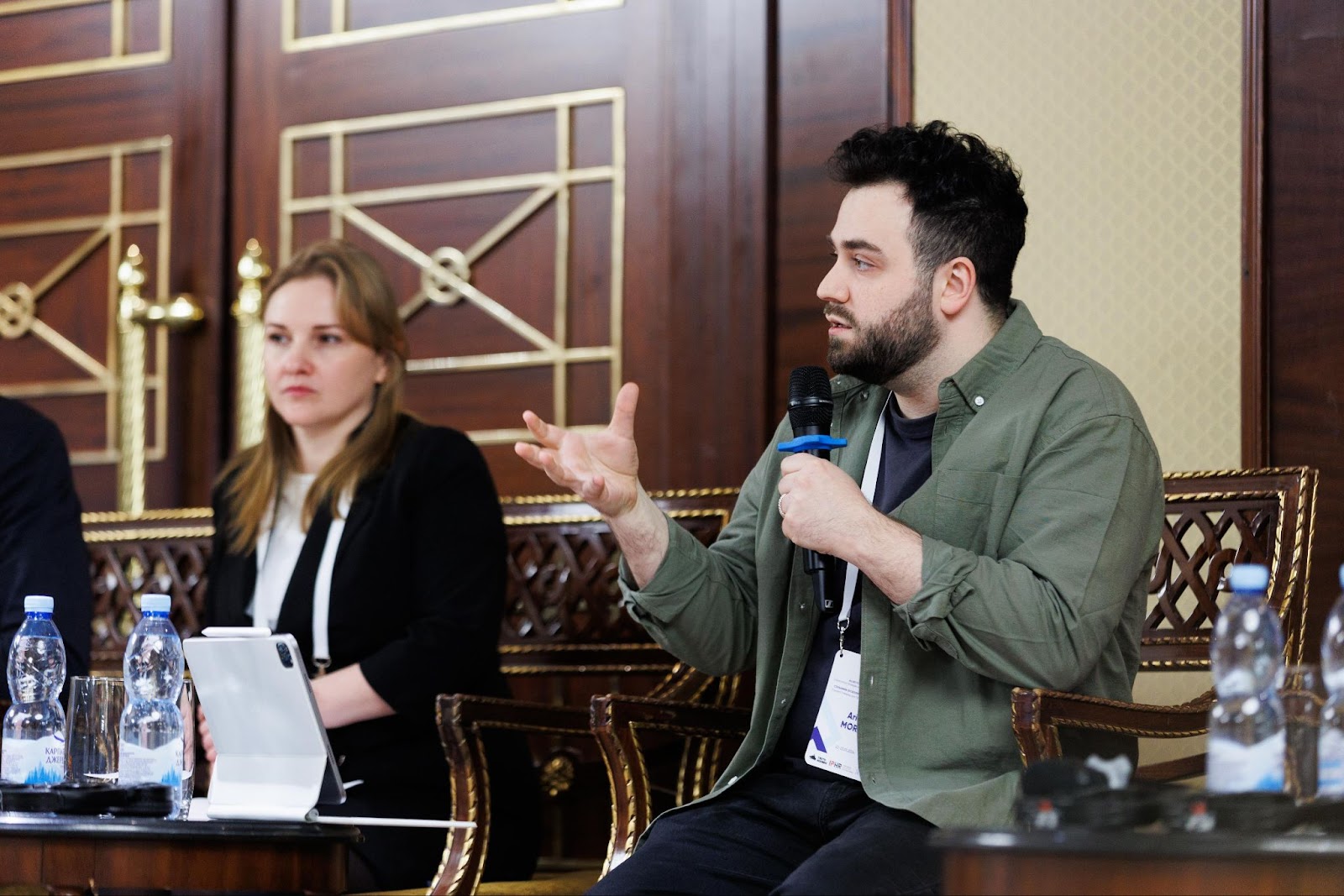
A conversation on evidence management systems was held on the margins of the seminar that Arie facilitated. Together with participants the discussion was built around how such systems should look like and operate, as well as the most acute challenges currently existing in the field. These include ensuring compliance with international standards, better coordination, continuous financial stability of such systems, security concerns etc.
Read next
Articles
The voices of Ukrainians must be heard
The letter was published in May 2026 on the website of our long-time partner ECCHR, in the Living Open Archive section. It is a collection of personal impressions and stories from ECCHR staff and partners about the projects they work on, the injustices and contexts they experience, and the world they envision. They share intimate reflections in letters to their colleagues, allies, and the world.
Articles
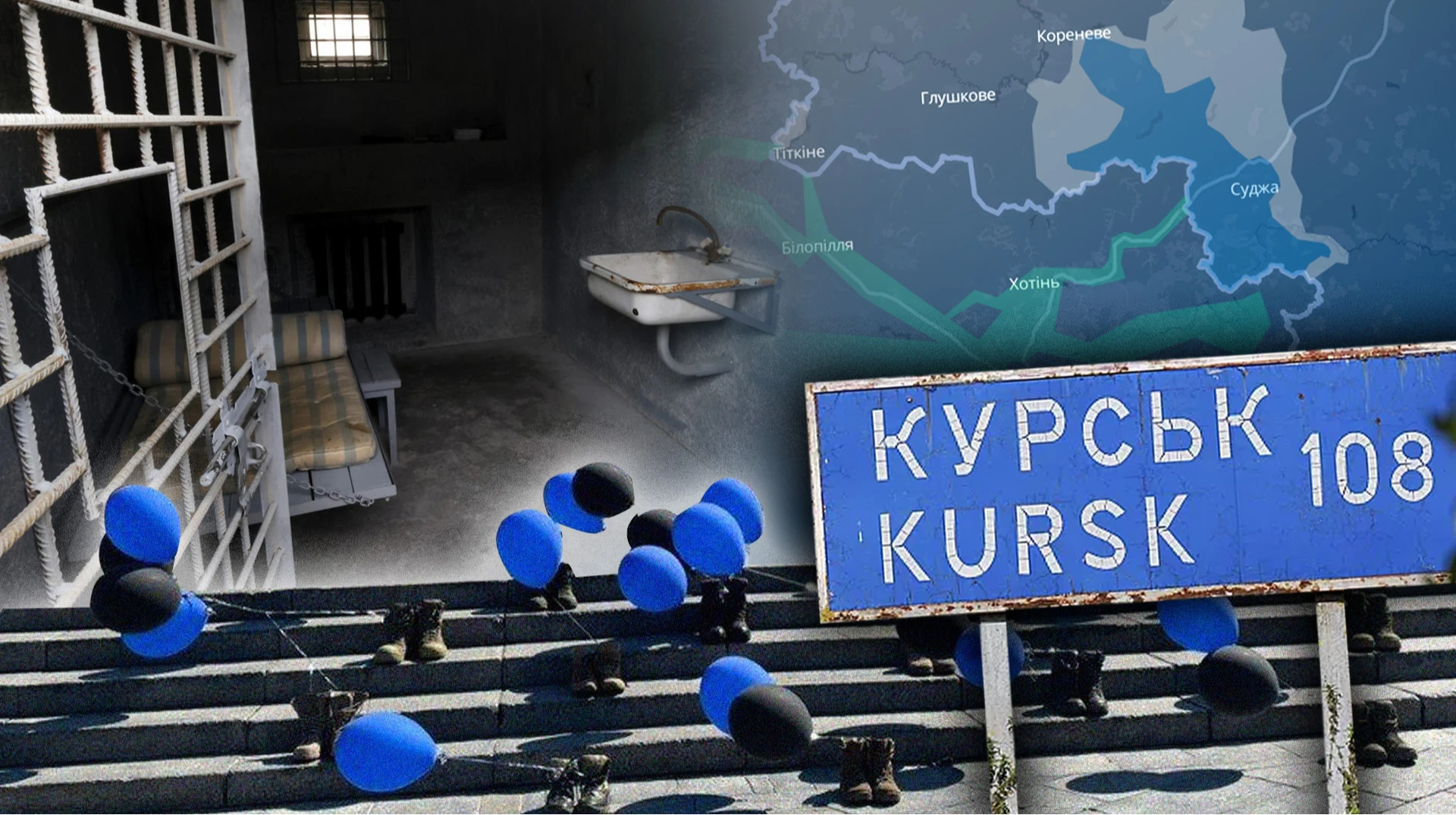
Prisoners of War Tried as Terrorists: What Is Happening to Ukrainian Soldiers Captured in Russia’s Kursk Region
The number of Ukrainians captured by Russian forces in the Kursk region remains hidden by the fog of war and defenders may be considered missing in action for months before suddenly appearing in photographs posted on Telegram channels alongside other prisoners of war. Or, conversely, families may search those same channels every day for any trace of their loved one, only to one day receive the devastating news of their death.
Articles
ECtHR Case Law on the Consequences of the Armed Conflict in Ukraine: The Detention of Ukrainian Troops at the Chornobyl Nuclear Power Plant
At the start of Russia’s full-scale invasion, one of the primary objectives of the Russian armed forces was to seize control of the Chornobyl Nuclear Power Plant (ChNPP). In February 2022, Russian troops occupied the facility and detained everyone there, including both civilian personnel responsible for maintaining the operation of the plant and members of the National Guard of Ukraine (NGU), who were responsible for the facility’s security.