This is a systematic and widespread practice by the Russian Federation, as documented by numerous international and non-governmental organisations, monitoring missions, and now – confirmed by the European Court of Human Rights.
In its judgment in the case of Ukraine and the Netherlands v. Russia, the Court confirmed that there is an administrative practice by the Russian Federation involving extrajudicial killings, torture, sexual violence, inhuman treatment, and other violations that have led to the deaths of prisoners of war and civilians in detention since 2014.
We hope that the ECtHR’s judgment will now serve as a catalyst for more proactive efforts to investigate and prosecute these violations as crimes against humanity in other jurisdictions.
Ensuring accountability for these international crimes requires complementary efforts across various justice pathways. Ukraine’s national system has already recognised 5,000 military personnel and 5,600 civilians as victims, but only last year did Ukraine incorporate crimes against humanity into its Criminal Code, and it has no prosecutorial practice in this area to date.
The International Criminal Court is looking into crimes committed in detention facilities but has not yet issued any arrest warrants vis-a-vis these violations. Meanwhile, third states are yet to demonstrate genuine readiness to pursue cases under the principle of universal jurisdiction in the context of Russia’s war against Ukraine.
Effective justice is only possible when the real needs of different mechanisms are recognised and addressed, supported by political will and active cooperation based on a solid evidentiary foundation.
Ending impunity for the deaths of prisoners of war and civilians in captivity is both Ukraine’s and the international community’s responsibility. It is one of the most meaningful ways to honour their memory and to demonstrate the true value of justice.
Read next
Articles
The voices of Ukrainians must be heard
The letter was published in May 2026 on the website of our long-time partner ECCHR, in the Living Open Archive section. It is a collection of personal impressions and stories from ECCHR staff and partners about the projects they work on, the injustices and contexts they experience, and the world they envision. They share intimate reflections in letters to their colleagues, allies, and the world.
Articles
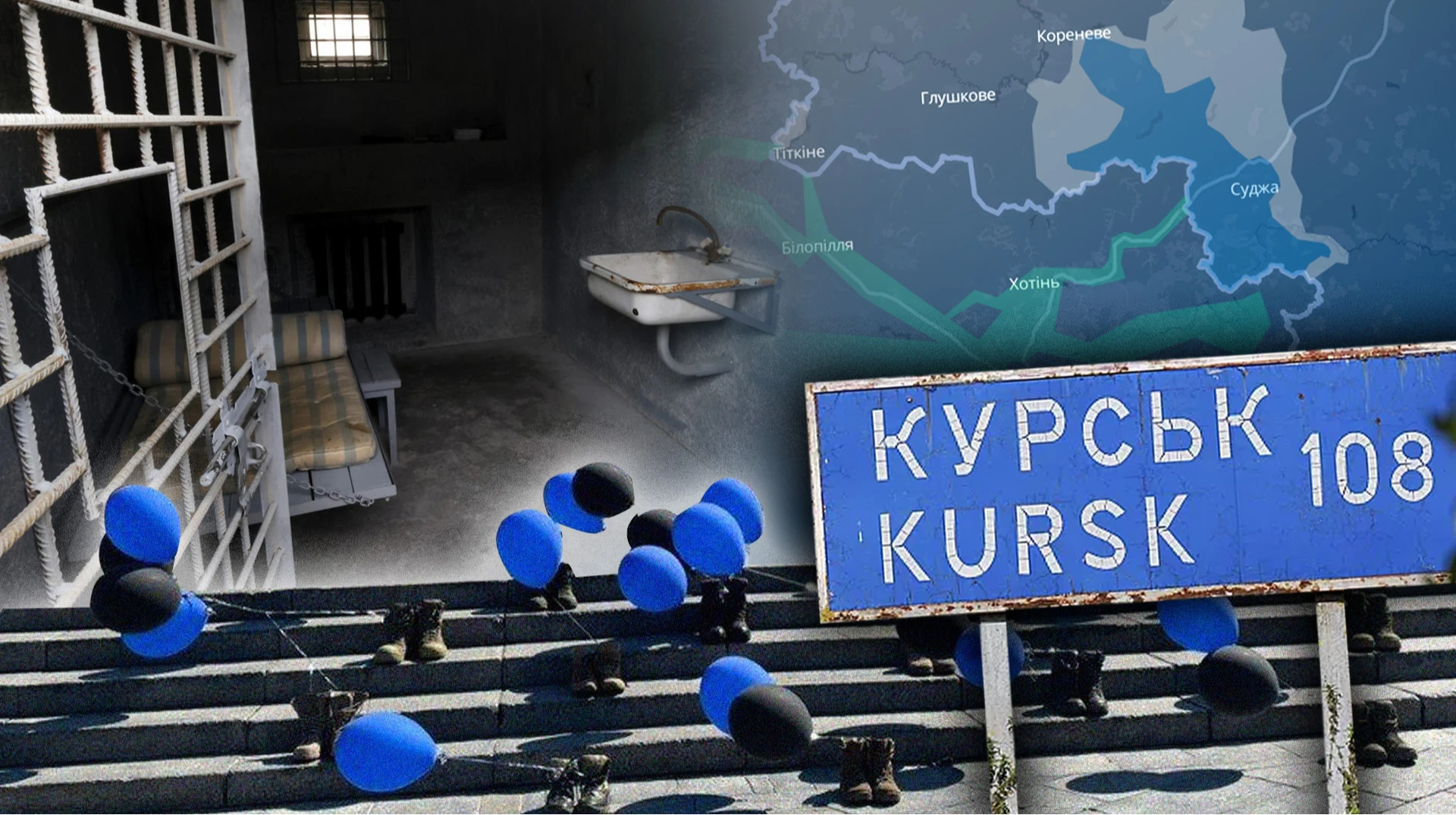
Prisoners of War Tried as Terrorists: What Is Happening to Ukrainian Soldiers Captured in Russia’s Kursk Region
The number of Ukrainians captured by Russian forces in the Kursk region remains hidden by the fog of war and defenders may be considered missing in action for months before suddenly appearing in photographs posted on Telegram channels alongside other prisoners of war. Or, conversely, families may search those same channels every day for any trace of their loved one, only to one day receive the devastating news of their death.
Articles
ECtHR Case Law on the Consequences of the Armed Conflict in Ukraine: The Detention of Ukrainian Troops at the Chornobyl Nuclear Power Plant
At the start of Russia’s full-scale invasion, one of the primary objectives of the Russian armed forces was to seize control of the Chornobyl Nuclear Power Plant (ChNPP). In February 2022, Russian troops occupied the facility and detained everyone there, including both civilian personnel responsible for maintaining the operation of the plant and members of the National Guard of Ukraine (NGU), who were responsible for the facility’s security.