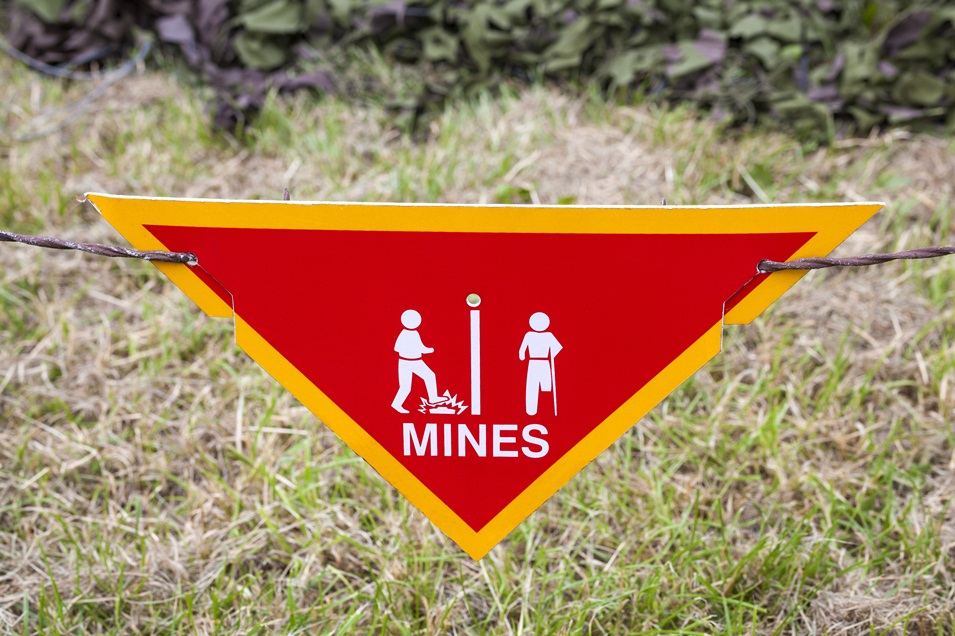
The US President Joe Biden has agreed to provide Ukraine with anti-personnel mines.
According to reports, the mines to be transferred will have self-destruction and deactivation mechanisms that can reduce the threat to civilians.
The risk of indiscriminate use and the suffering caused by anti-personnel mines are among the key reasons why the international community has been consistently moving towards abandoning their use.
With regards to this issue, one must be cognisant of the context of the ongoing armed conflict and the facts of the systematic use of anti-personnel mines by Russia. We also welcome Ukraine’s commitment not to use such weapons in densely populated areas (as outlined in the WP article).
Therefore, we call on the Ukrainian authorities to:
Read next
Articles
The voices of Ukrainians must be heard
The letter was published in May 2026 on the website of our long-time partner ECCHR, in the Living Open Archive section. It is a collection of personal impressions and stories from ECCHR staff and partners about the projects they work on, the injustices and contexts they experience, and the world they envision. They share intimate reflections in letters to their colleagues, allies, and the world.
Articles
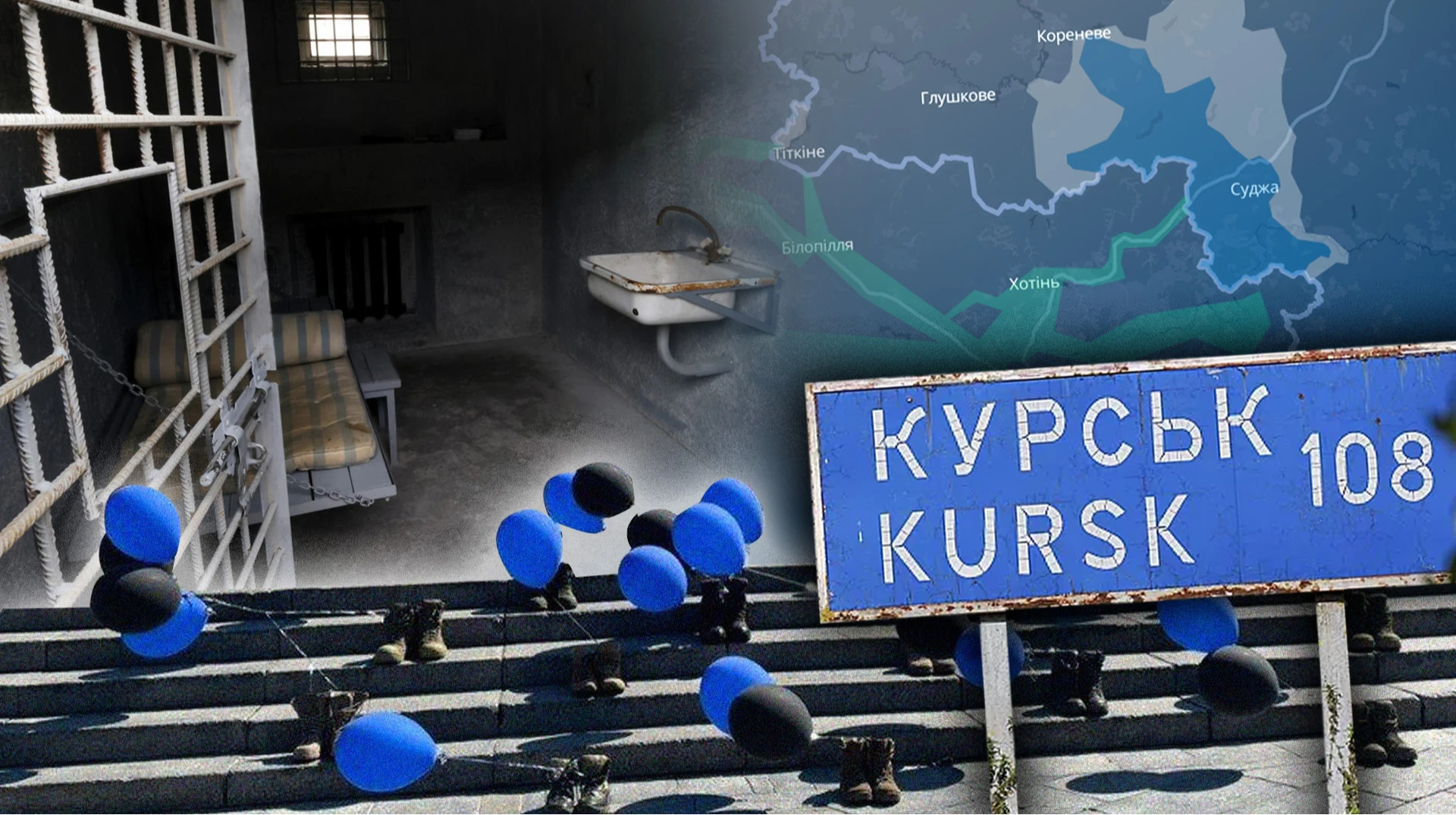
Prisoners of War Tried as Terrorists: What Is Happening to Ukrainian Soldiers Captured in Russia’s Kursk Region
The number of Ukrainians captured by Russian forces in the Kursk region remains hidden by the fog of war and defenders may be considered missing in action for months before suddenly appearing in photographs posted on Telegram channels alongside other prisoners of war. Or, conversely, families may search those same channels every day for any trace of their loved one, only to one day receive the devastating news of their death.
Articles
ECtHR Case Law on the Consequences of the Armed Conflict in Ukraine: The Detention of Ukrainian Troops at the Chornobyl Nuclear Power Plant
At the start of Russia’s full-scale invasion, one of the primary objectives of the Russian armed forces was to seize control of the Chornobyl Nuclear Power Plant (ChNPP). In February 2022, Russian troops occupied the facility and detained everyone there, including both civilian personnel responsible for maintaining the operation of the plant and members of the National Guard of Ukraine (NGU), who were responsible for the facility’s security.