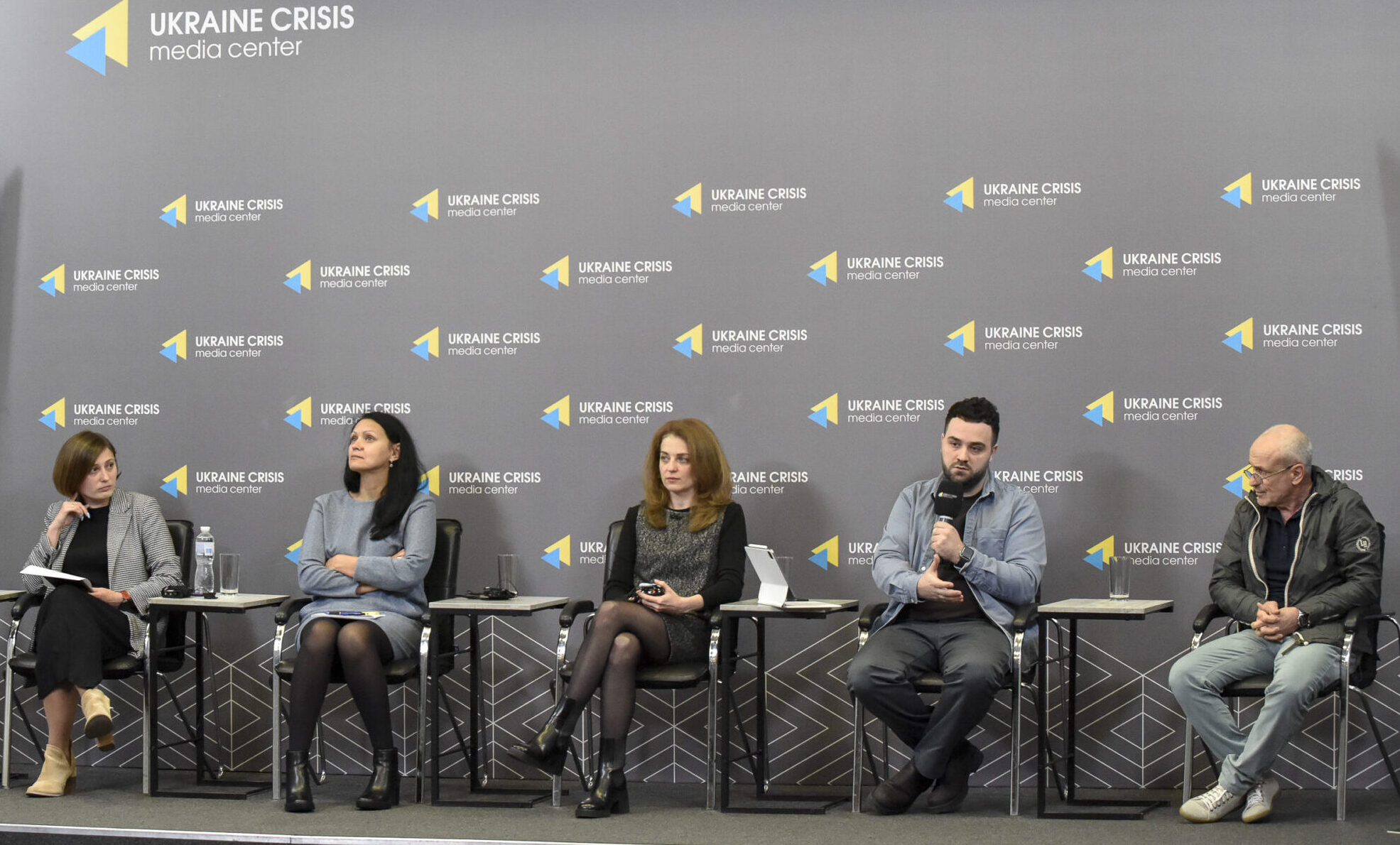
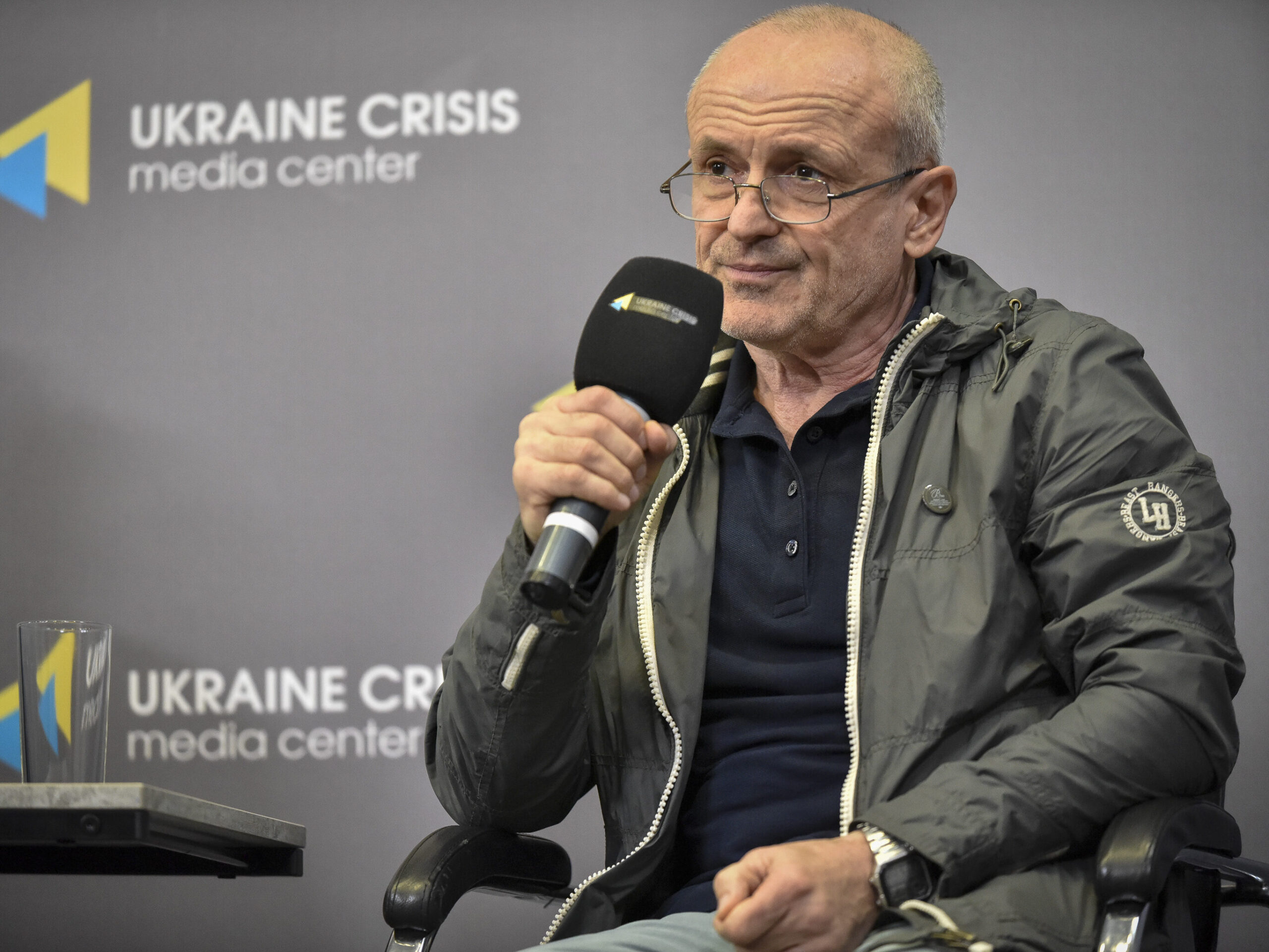
The event centred around the case of journalist Viktoria Roshchyna, whose reported death while detained in Russia sparked widespread concern. Representatives from human rights organisations, journalists, and international experts outlined key challenges faced by civilians in captivity and discussed systemic measures to protect them in the future.
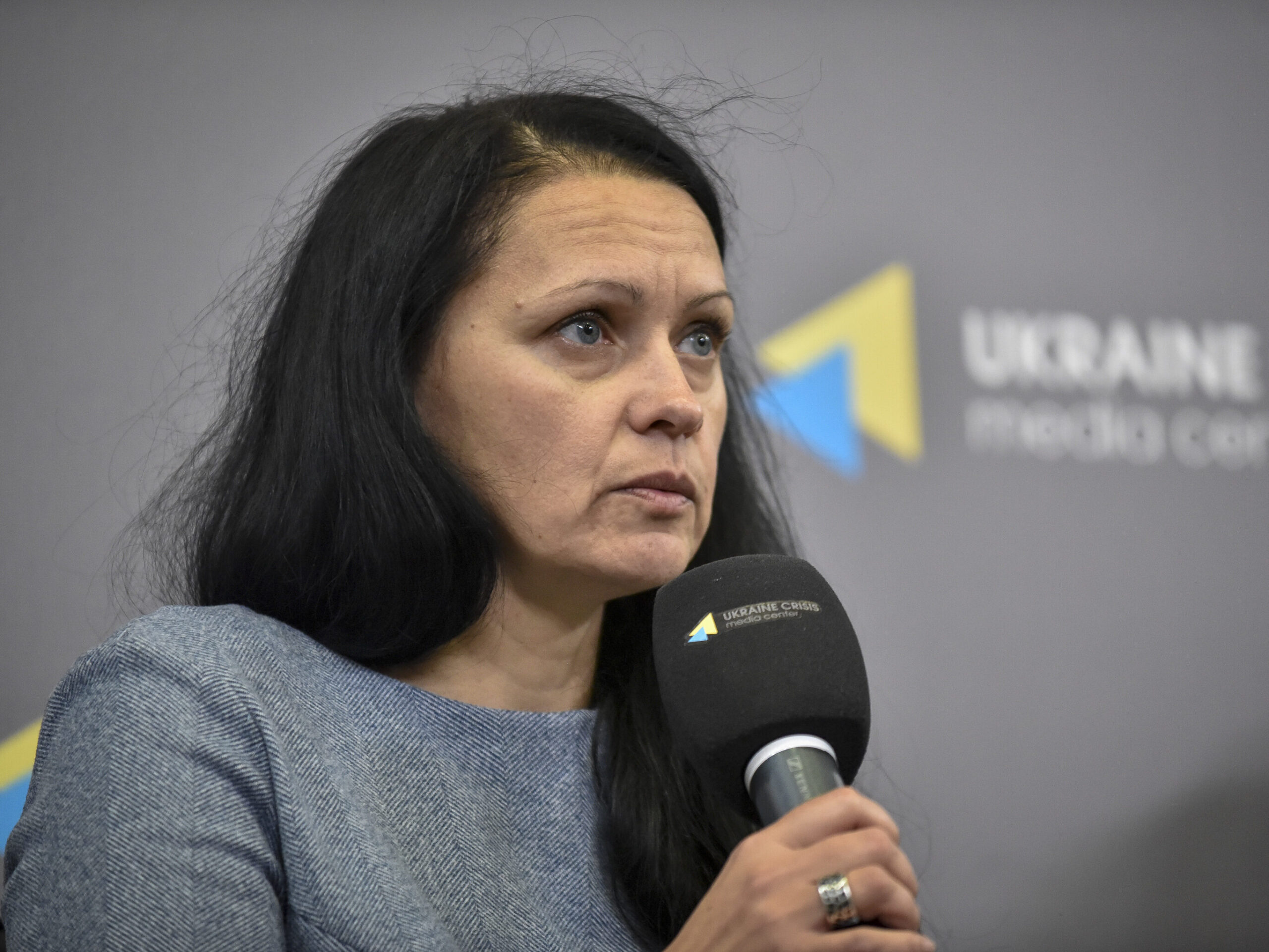
The issue of unlawful detention of Ukrainian civilians in occupied territories is among the most pressing humanitarian and legal challenges of Russia’s war in Ukraine. According to Tetiana Katrychenko, a representative of the Media Initiative for Human Rights, over 1,800 cases of illegal detention of Ukrainian civilians have been documented since Russia’s full-scale invasion. However, international organisations face significant challenges in drawing attention to these violations due to the absence of effective mechanisms to protect and return detained Ukrainians. The news of Victoria Roshchyna’s death while in Russian custody serves as a stark reminder of the harsh treatment civilians face as captives.
UN Special Rapporteur on Human Rights Violations in Russia Mariana Katzarova noted that Roshchyna fell victim to the Russian Federation’s repressive policies targeting Ukrainian citizens. According to Katzarova, the deaths of Roshchyna and other Ukrainian civilians result from an organised policy of repression. Such crimes must be investigated through UN and European Court mechanisms.
“These cases are not isolated incidents; they represent systemic violations that require international investigation and intervention,” she emphasised.
Sevgil Musaieva, editor-in-chief of Ukrainska Pravda, highlighted the importance of Viktoria Roshchyna’s work, which shed light on the realities of life for Ukrainians under occupation. Her mission was to document war crimes and humanitarian law violations.
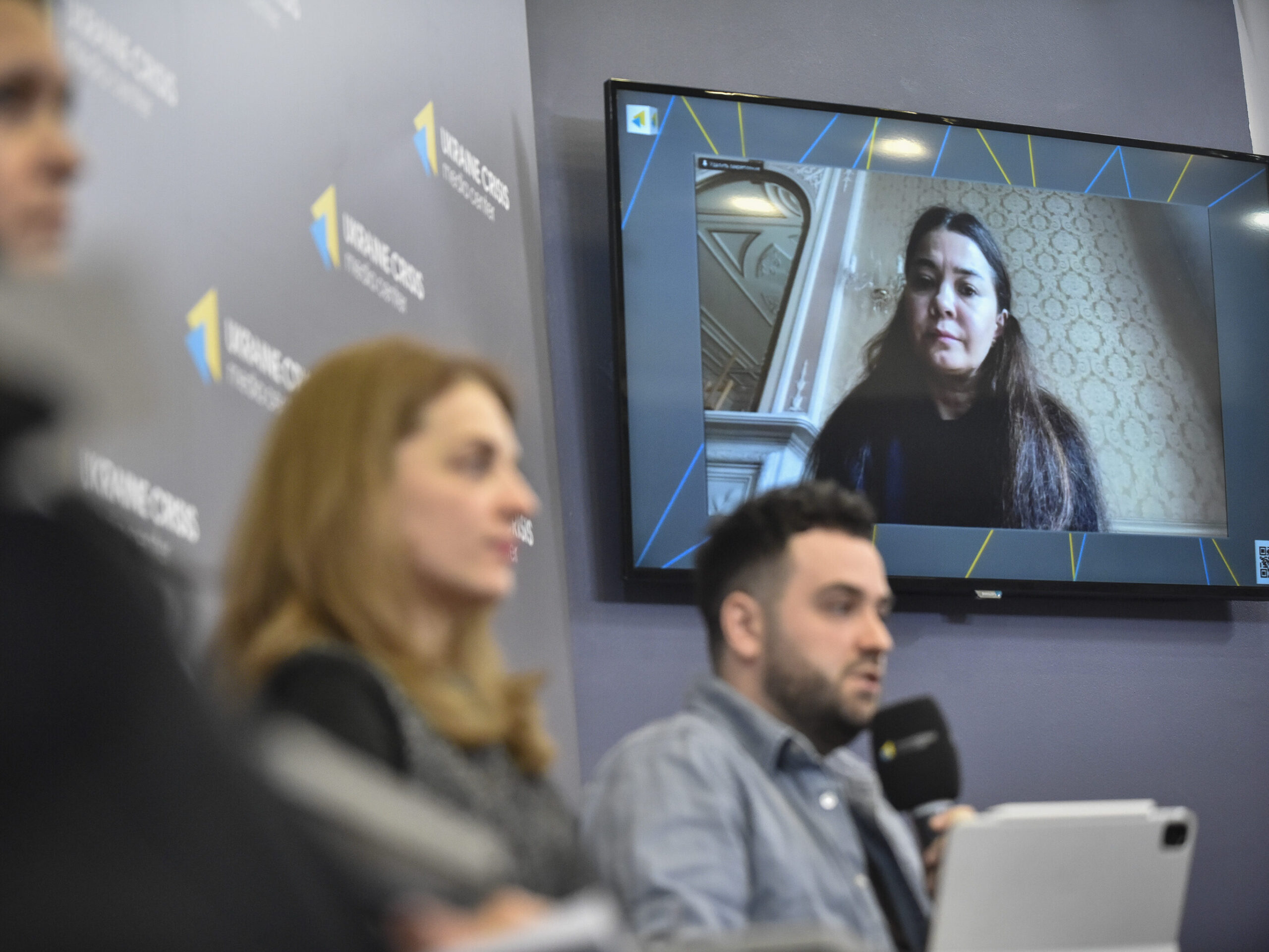
Musaieva stressed that, in Roshchyna’s case, it is essential to remember a core principle repeatedly emphasised by the International Committee to Protect Journalists: journalism is not a crime. More international organisations must be involved to draw attention to the urgent need for the release of civilians who are unlawfully detained.
Yevheniya Kapalkina, a ULAG lawyer and representative for Viktoria’s father, reiterated that cases of unlawful detention of civilians in Russian-controlled territories constitute a breach of international law. The scale of this crime goes beyond reported numbers, as many cases remain undisclosed. Detained civilians lack a recognized official status, which hinders the application of standard legal mechanisms for their protection.
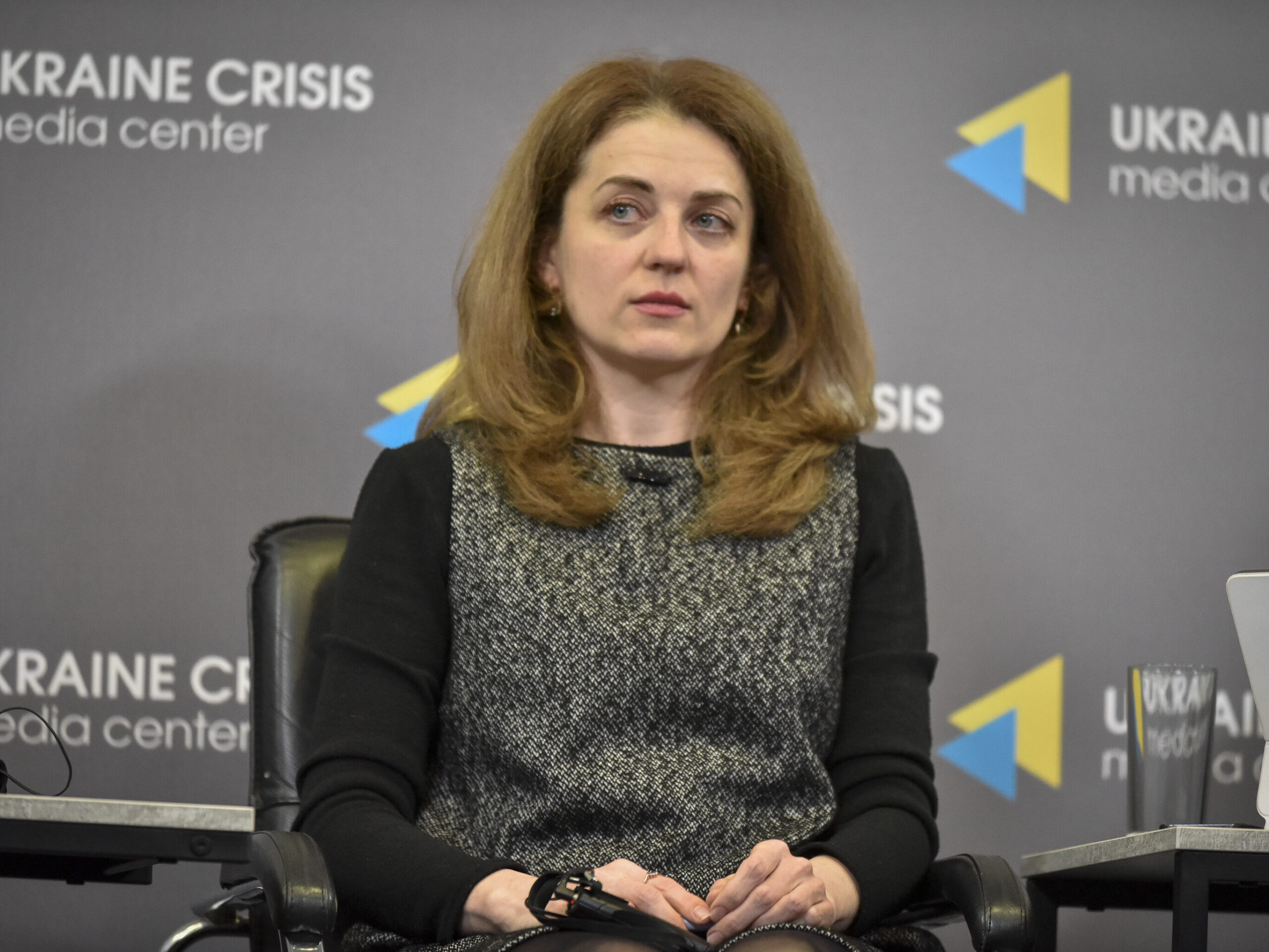
Kapalkina also emphasised that Russia’s refusal to disclose information further complicates the situation. The occupying authorities generally withhold information on the whereabouts and health status of detainees, depriving them of the right to communicate with attorneys or family members. Moreover, numerous accounts from freed Ukrainian civilians indicate cases of torture and mistreatment. Valerii Matiushenko, who spent seven years in captivity, recounted severe mistreatment and horrid detention conditions.
The Coordination Headquarters on the Treatment of Prisoners of War and other organisations record data on detainees, negotiate with the Russian side, and help families hold onto hope for the return of loved ones. Yet, legal gaps and limited international pressure mean that support mechanisms remain insufficient. A systematic response is required to address these challenges effectively.
The case of Viktoria Roshchyna illustrates the scale of these issues: the absence of clear mechanisms for the return of unlawfully detained individuals, gaps in national legislation related to the classification of these crimes, restricted access to information, and the aggressor’s impunity. Russia consistently limits access to information, disregards Ukraine’s requests for updates on the location and conditions of civilians, and evades accountability for international law violations.
Overall, Viktoria Roshchyna’s case exemplifies a human rights violation that requires both domestic and international efforts. The aggressor’s impunity and lack of reliable international mechanisms to protect civilians underscore the urgent need to develop effective measures that ensure the safety of citizens at risk of unlawful detention. This is a matter of fundamental human rights protection, demanding the global community’s concerted efforts to secure justice and safety for victims.
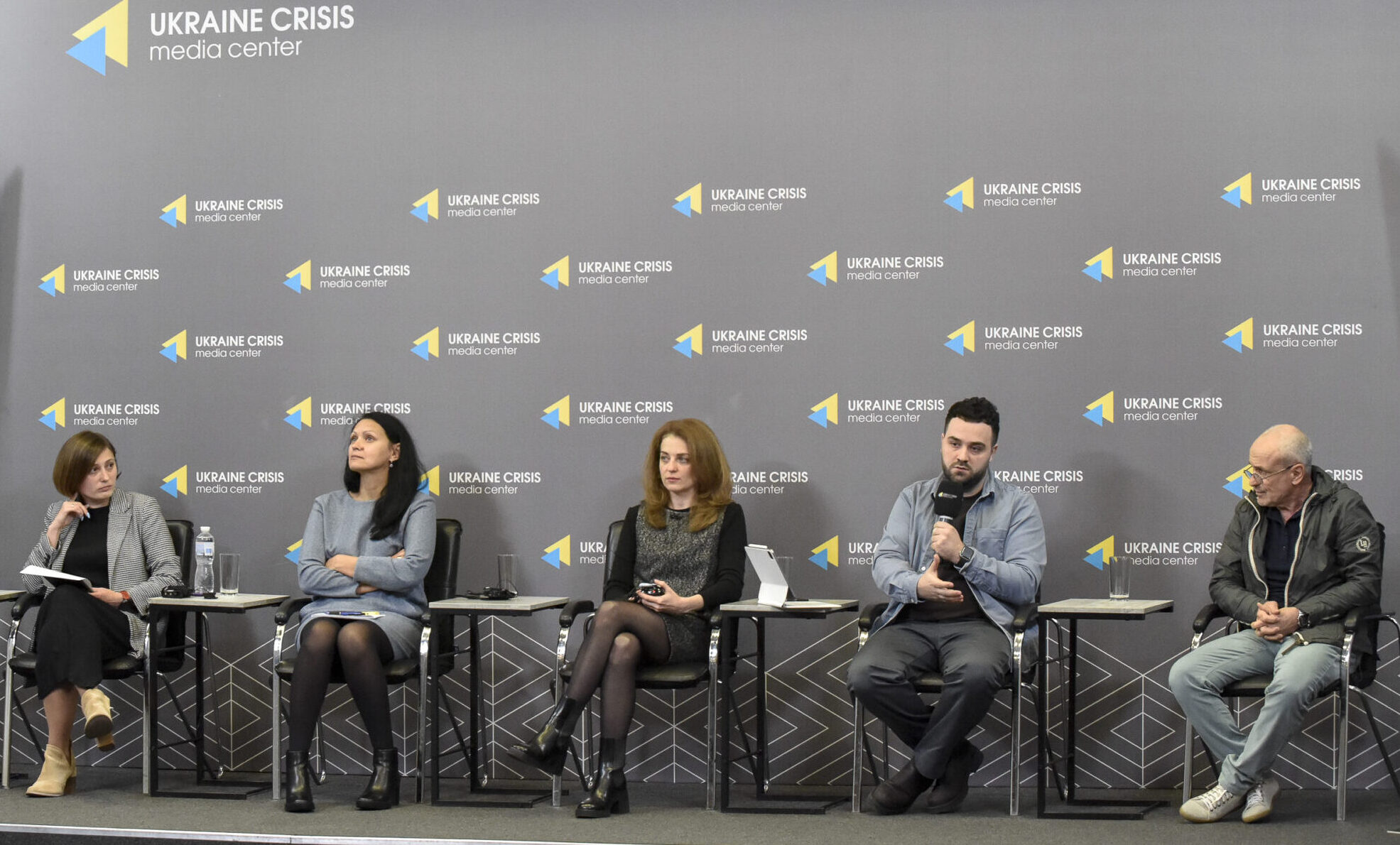
Ознайомитися з повним записом брифінгу із детальнішими коментарями експертів можна за посиланням. Щиро дякуємо Українському кризовому медіа-центру за організацію, спікерам за їхні експертні думки, а також усім, хто приєднався онлайн та офлайн, за увагу та внесок у дискусію.
Read next
Articles
The voices of Ukrainians must be heard
The letter was published in May 2026 on the website of our long-time partner ECCHR, in the Living Open Archive section. It is a collection of personal impressions and stories from ECCHR staff and partners about the projects they work on, the injustices and contexts they experience, and the world they envision. They share intimate reflections in letters to their colleagues, allies, and the world.
Articles
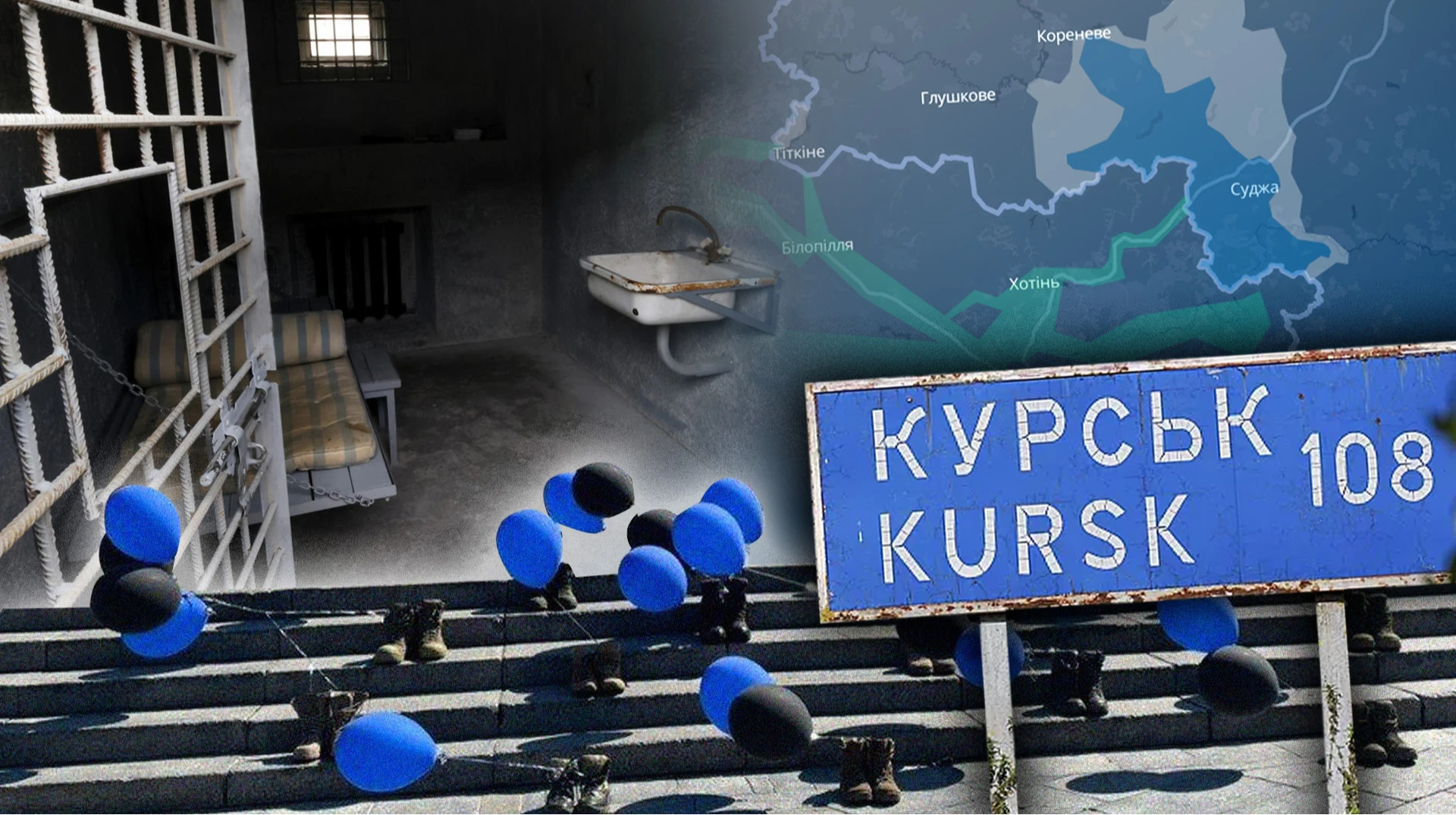
Prisoners of War Tried as Terrorists: What Is Happening to Ukrainian Soldiers Captured in Russia’s Kursk Region
The number of Ukrainians captured by Russian forces in the Kursk region remains hidden by the fog of war and defenders may be considered missing in action for months before suddenly appearing in photographs posted on Telegram channels alongside other prisoners of war. Or, conversely, families may search those same channels every day for any trace of their loved one, only to one day receive the devastating news of their death.
Articles
ECtHR Case Law on the Consequences of the Armed Conflict in Ukraine: The Detention of Ukrainian Troops at the Chornobyl Nuclear Power Plant
At the start of Russia’s full-scale invasion, one of the primary objectives of the Russian armed forces was to seize control of the Chornobyl Nuclear Power Plant (ChNPP). In February 2022, Russian troops occupied the facility and detained everyone there, including both civilian personnel responsible for maintaining the operation of the plant and members of the National Guard of Ukraine (NGU), who were responsible for the facility’s security.